
Inflammation Triggers: 10 Toxic Foods You Must Avoid!

REVIEWED BY Dt. Gurjeet Kumari (Dietitian) on 27 december 2025.
Ever feel tired for no reason? Bloated after eating? Achy even when you didn’t work out?
You might blame stress, age, or “just one of those days,” but what if it’s something on your plate?
The truth is, many everyday foods quietly cause inflammation in your body. And the scary part? Most people have no idea it’s happening until it turns into a real health problem like joint pain, skin breakouts, low energy, or even chronic diseases. But don’t panic. Once you know what to look for, it’s easy to start fixing it.
In this post, I’ll show you the 10 most common inflammation-triggering foods, how to spot the warning signs, and what you can eat instead to feel better fast. No complicated science, just simple, clear advice you can use today.
What is Inflammation?

Inflammation isn’t always bad. In fact, it’s your body’s natural way of healing. Got a cut? Your immune system sends cells to fight off infection, that redness and swelling. That’s inflammation doing its job.
But here’s where it gets tricky…
The Difference Between Short-term and Long-term Inflammation
Not all inflammation is harmful. In fact, your body uses it as a natural defense mechanism. But when it lingers too long, that’s when the real trouble starts.
Here’s the key difference:
Short-term (Acute) Inflammation
- Happens quickly, usually after an injury or infection
- Causes redness, swelling, heat, and pain
- Helps your body heal
- Goes away once the issue is resolved
- Example: Swelling after a cut or sore throat during a cold
Long-term (Chronic) Inflammation
- Builds up slowly over time
- May not show clear symptoms at first
- Keeps your immune system on high alert, even when there’s no danger
- Can damage joints, organs, and tissues silently
- Linked to conditions like arthritis, heart disease, diabetes, and more
Why You Might Have It Without Knowing
Many people live with chronic inflammation without realizing it. It often builds up from daily habits like poor sleep, stress, lack of exercise, and yes… what you eat.
Some foods can trigger or worsen inflammation, making your body fight a battle it was never supposed to.
10 Common Foods That Can Cause Inflammation
You might be eating these every day without realizing the damage they’re doing inside your body. These foods can trigger your immune system and keep it in “fight mode” longer than necessary, leading to chronic inflammation.
What to watch out for:
1. Sugar

Sugar is one of the biggest culprits. It spikes your blood sugar, which causes your body to release inflammatory chemicals.
Found in: sodas, sweets, flavored yogurts, sauces, and even “healthy” cereals.
2. White Bread and Refined Carbs
Refined carbs have been stripped of fiber and nutrients. Your body digests them quickly, causing blood sugar spikes and, yes, inflammation.
Found in: white bread, pastries, pizza dough, and many packaged snacks.
3. Fried Foods

Crispy? Yes. Healthy? Not so much. Fried foods are often cooked in oils that create harmful compounds during high-heat cooking.
Found in: fries, samosas, pakoras, chips, and fried chicken.
4. Processed Meats
Processed meats contain preservatives and additives that your body may treat as foreign invaders, triggering inflammation.
Found in: sausages, bacon, salami, ham, and canned meats.
5. Packaged Snacks with Trans Fats

Trans fats are artificial fats that increase bad cholesterol, lower good cholesterol, and cause widespread inflammation.
Found in: margarine, packaged cookies, crackers, and microwave popcorn.
6. Too Much Alcohol
A glass of wine occasionally? No problem. But too much alcohol can disrupt your gut, liver, and immune system, all of which play a role in inflammation.
Watch for: daily drinking or binge drinking habits.
7. Dairy (for some people)

Not everyone reacts to dairy, but for some, it can lead to bloating, gas, and yes, inflammation.
Watch for: milk, cheese, butter, and cream if you’re lactose intolerant or sensitive.
8. Foods with Artificial Additives
Many processed foods are packed with colors, flavors, and preservatives your body doesn’t recognize and may attack.
Found in: soft drinks, candies, fast food, and many frozen meals.
9. Vegetable Oils (like soybean or corn oil)
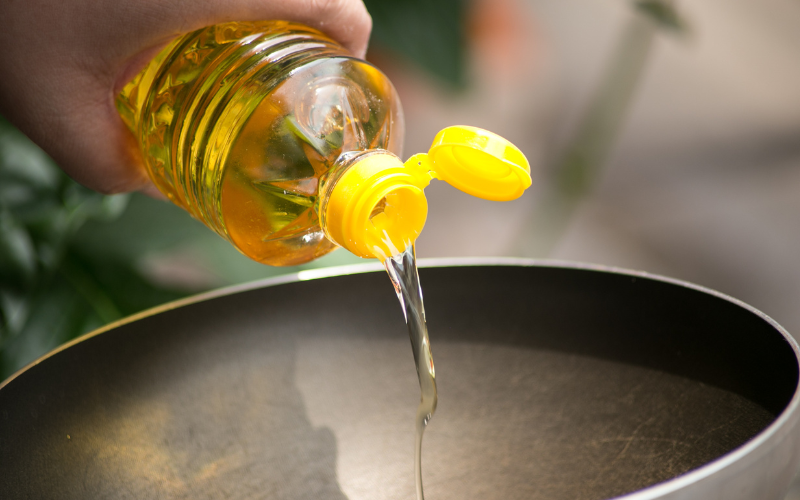
These oils are high in omega-6 fatty acids, which are okay in moderation, but too much can throw your body out of balance.
Found in: salad dressings, baked goods, and many fried or packaged items.
10. Gluten (especially if you’re sensitive)
For people with gluten sensitivity or celiac disease, gluten can irritate the gut lining and lead to inflammation.
Found in: wheat, pasta, bread, and many baked goods.
Signs Your Body is Dealing with Inflammation

You won’t always see inflammation on the outside, but your body often sends clear signals when something isn’t right. The key is to catch those early signs before they turn into bigger health problems.
Common Symptoms You Shouldn’t Ignore
These signs might seem small at first, but they can point to ongoing inflammation in your body:
- Feeling tired all the time, even after a full night’s sleep
- Bloating, gas, or other digestive issues
- Achy joints or muscles without a clear reason
- Brain fog or difficulty staying focused
- Gaining weight without changing your diet
- Skin problems like acne, rashes, or redness
- Feeling low, anxious, or easily irritated
What These Signals Might Mean
While these symptoms could come from different issues, they often have one thing in common: your immune system is on overdrive.
Chronic inflammation can silently affect your:
- Gut (causing IBS, constipation, or gas)
- Joints (leading to arthritis-like pain)
- Skin (like eczema or acne)
- Hormones (causing mood swings or fatigue)
If you’re noticing more than one of these regularly, your body might be trying to tell you something important.
What Makes It Worse and When to See a Doctor

Certain habits can make inflammation stick around longer than it should. Knowing what they are can help you take control of your health before things get serious.
Habits That Can Make Inflammation Worse
- If you’re already eating inflammatory foods, these habits can make things worse:
- Sleeping less than 6–7 hours regularly
- Sitting for long periods without movement
- High stress levels with no outlet
- Not drinking enough water
- Smoking or secondhand smoke exposure
- Drinking alcohol often
- Skipping meals or eating at odd hours
These things may seem small, but when combined with a poor diet, they keep your body in a constant state of stress and inflammation.
Simple Tests That Can Help
If you’re worried about inflammation, a few basic blood tests can give you answers. These are simple and often recommended by doctors:
- CRP (C-reactive protein) – shows inflammation in the body
- ESR (Erythrocyte Sedimentation Rate) – another common marker
- Complete blood count (CBC) – can reveal hidden issues
- Blood sugar and insulin levels – because sugar can drive inflammation
Talk to a doctor if you’re unsure. They can help you figure out what’s going on and what steps to take next.
When It’s Time to Get Checked
If you’ve been feeling off for weeks, tired, bloated, foggy, or just not yourself, don’t brush it off. And if you have a family history of diabetes, heart issues, or autoimmune problems, it’s even more important to get checked.
What to Eat Instead
The good news? You don’t need a complicated diet to fight inflammation. Just a few smart swaps in your daily meals can make a big difference.
Foods That Help Reduce Inflammation

Try adding more of these to your meals:
- Leafy greens like spinach, kale, and methi
- Colorful fruits like berries, oranges, and pomegranates
- Fatty fish like salmon, sardines, and mackerel
- Nuts and seeds such as almonds, walnuts, and flaxseeds
- Whole grains like oats, quinoa, and brown rice
- Olive oil and desi ghee in moderation
- Turmeric, ginger, garlic, and cinnamon (natural anti-inflammatories)
- Green tea or herbal teas (instead of sugary drinks)
These foods help your body calm down, recover faster, and feel lighter.
Easy Swaps to Try in Your Diet

Here are some quick changes you can make without feeling overwhelmed:
- Swap white bread with multigrain or millet roti
- Replace refined oils with mustard oil or cold-pressed oils
- Choose fruit instead of desserts or packaged snacks
- Try grilled or air-fried food instead of deep-frying
- Drink water or coconut water instead of soda
- Use natural spices and herbs instead of packaged sauces
Start with one or two changes; even small steps can help reduce inflammation over time.
Frequently Asked Questions
1. What is inflammation, and why does it happen?
Inflammation is your body’s natural way of healing. It helps fight off infections and repair damage. But when it doesn’t switch off, it can lead to chronic problems like pain, fatigue, and illness.
2. What foods reduce inflammation?
Leafy greens, berries, fatty fish, nuts, seeds, olive oil, turmeric, and whole grains are great choices. These help calm your immune system and support overall health.
3. How can I know if I have inflammation?
Common signs include tiredness, bloating, body pain, skin issues, and brain fog. Blood tests like CRP and ESR can confirm if there’s inflammation in your body.
4. Is dairy always bad for inflammation?
Not for everyone. Some people digest dairy just fine, while others may experience bloating or skin flare-ups. It depends on your personal tolerance.
5. How long does it take to reduce inflammation with diet?
Some people notice changes in a few days, while others may take a few weeks. The key is staying consistent and making small, lasting changes.
Struggling with same?
Book Your Appointment With Our Expert Doctors

Conclusion:
Inflammation doesn’t always come with big warning signs. It builds up slowly through your food, lifestyle, and habits until your body starts to feel off. Tired, bloated, achy, moody… sound familiar?
The good news is, you can take control. By avoiding the foods that trigger inflammation and replacing them with healthier options, you’ll not only feel better, but you’ll protect your long-term health too.
But if you’re still unsure what’s causing your symptoms, it’s always better to check.
Don’t wait for things to get worse. Get a proper health check-up at Raja Hospital and take the guesswork out of your well-being.