
Total Hip Replacement Surgery In Nawanshahr: Causes, Procedure, Recovery & Pain Management!

REVIEWED BY DR. Joravar Singh Saini (MBBS, MS, Orthopaedics) on 15th January 2026.
You wake up each morning with that familiar, stubborn ache in your hip. Walking across the room feels like a slow-motion task, and stairs? They’ve turned into your worst enemy. You keep thinking, “Is this just aging… or is something actually wrong?”
Here’s the truth: if hip pain is starting to define your life, it’s already taken too much from you.
Thousands of people suffer silently, not knowing that what they’re dealing with isn’t “just wear and tear”, but often a treatable condition like osteoarthritis or avascular necrosis. And the scariest part? Many delay surgery not because it’s risky, but because it’s mysterious.
In this post, I’m going to break down 5 must-know facts about total hip replacement surgery, especially if you’re in Nawanshahr and wondering what your options really are.
What Is a Hip Replacement & Why Might You Need One?
Hip replacement surgery isn’t just a medical procedure; it’s a life reset button for those trapped in daily pain. Whether you’re struggling to bend, walk, or even sleep peacefully, this section will help you understand why a damaged hip joint can be more than an inconvenience and how replacing it can restore your freedom.
When Everyday Pain Isn’t Normal Anymore

Most people think they need to “tough it out” when their hip starts hurting. Maybe it’s stiffness in the morning or sharp pain after a walk.
But here’s the uncomfortable truth: your body is signaling that something’s off, and ignoring it only makes things worse.
Hip replacement isn’t about being old or fragile. It’s about being done with pain stealing your life.
Conditions That Lead to Hip Replacement
There are a few common culprits that wear down the hip joint:
- Osteoarthritis – the “wear and tear” kind that eats away at joint cartilage
- Rheumatoid arthritis – inflammation that destroys the joint lining
- Avascular necrosis – when blood stops reaching the hip bone, causing it to collapse
- Hip fractures – often caused by accidents or age-related bone loss
If you’ve been diagnosed with any of these or if imaging shows joint damage, a hip replacement could offer permanent relief.
Warning Signs You Shouldn’t Ignore
- Persistent groin or thigh pain
- Stiffness even after rest
- Difficulty walking, climbing stairs, or getting out of a chair
- Relying on painkillers to function
These aren’t “normal.” They’re warnings, and the longer they’re brushed aside, the tougher recovery can get.
What Happens During a Total Hip Replacement Surgery?
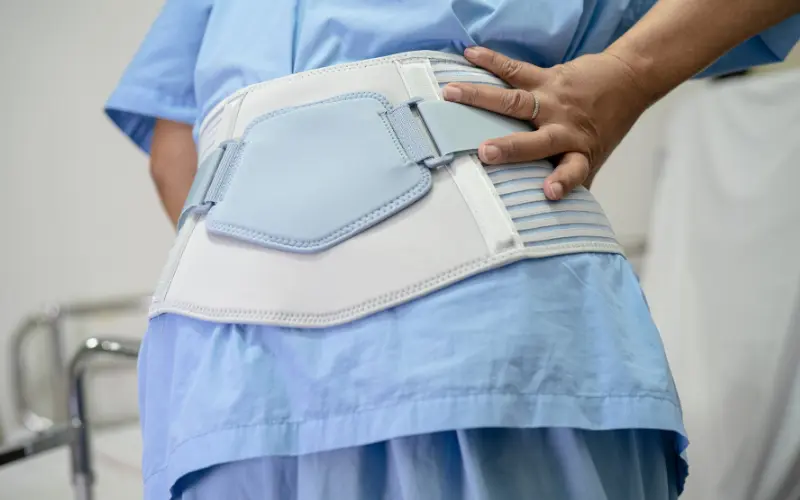
Undergoing surgery can feel intimidating, especially when it involves a major joint like your hip. But once you understand what actually happens inside the OT (operating theatre), the fear often fades. This section breaks it all down so you know exactly what to expect and why age, implant type, and surgical method all play a big role.
Breaking Down the Procedure (In Simple Terms)
In a total hip replacement, your surgeon removes the damaged parts of your hip joint, usually the ball and socket, and replaces them with artificial components made of metal, ceramic, or plastic. This eliminates the friction and pain caused by bone-on-bone contact.
It’s not as dramatic as it sounds. Most procedures take 60 to 90 minutes, and patients are often walking (with support) the day after the procedure.
Types of Hip Replacement Surgeries
There are several approaches, and your surgeon will choose one based on your condition:
- Total Hip Replacement (THR): The most common method, replacing both the ball (femoral head) and socket (acetabulum).
- Partial Hip Replacement: Only the femoral head is replaced, usually after a fracture.
- Minimally Invasive Hip Replacement: Smaller incisions, less muscle damage, quicker recovery.
- Revision Surgery: A repeat procedure if a previous implant wears out or fails.
Age Factor: When Is It Too Early or Too Late?

Many patients ask: “Am I too young… or too old?”
Here’s the thing: age is just a number, but your pain level and mobility are what truly matter.
In Nawanshahr, it’s not uncommon to see patients in their 40s undergoing hip replacement, especially if arthritis has progressed aggressively. On the flip side, even seniors in their 70s or 80s bounce back with proper care.
It’s not about age. It’s about quality of life.
Types of Hip Implants Used
Implants come in different combinations:
- Metal-on-polyethylene
- Ceramic-on-ceramic
- Ceramic-on-polyethylene
Your surgeon will pick one based on your age, activity level, and bone quality.
Duration & Anesthesia
Most surgeries are done under spinal anesthesia (you’re awake but numb from the waist down), though general anesthesia is also an option. The total time in the OT is around 1.5 to 2 hours, with most patients discharged within 3-5 days.
Preparing Yourself (Physically & Mentally) Before the Surgery

Surgery doesn’t begin in the operating theatre; it begins in your mindset and lifestyle, weeks before. The more prepared you are, the smoother your recovery will be. This section is your roadmap to take control of the process before a single incision is made.
Tests, Fitness & Emotional Prep
Before surgery, you’ll undergo a full medical evaluation, including blood tests, ECG, imaging, etc. But that’s just the technical part.
Here’s what you can do on your end:
- Strengthen your leg muscles: Simple exercises can make rehab easier.
- Lose extra weight (if possible): It eases pressure on your new joint.
- Control diabetes or high blood pressure: Stability = better healing.
- Mentally prep: Read recovery stories, talk to someone who’s had the procedure, visualize yourself walking pain-free again.
Pro tip: I’ve seen patients who go in confident and come out stronger, faster.
Questions to Ask Your Surgeon
Knowledge kills fear. Ask:
- What type of implant will you use?
- What are the risks and benefits?
- How long before I can walk unaided?
- Will I need physiotherapy, and for how long?
- How long will the implant last?
At Raja Hospital, many patients have said their pre-surgery counseling put their minds at ease completely, and that’s a huge part of the healing process.
Planning Home Setup for Recovery
Your post-op environment matters just as much as the surgery itself.
Prep your home:
- Remove rugs and clutter to avoid tripping
- Place essential items at waist height
- Install grab bars in the bathroom
- Arrange a walker or walking aid
- Have someone stay with you for the first week
Your goal? Make your home a recovery zone, not an obstacle course.
Life After Surgery: Recovery, Rehab & Real Talk

Hip replacement isn’t the end of your mobility; it’s the beginning of it. Yes, the first few days are challenging. But if you know what to expect, and you commit to rehab, you’ll get your freedom back faster than you think.
What the First Few Days Look Like
- Day 1: You’ll likely be encouraged to stand or walk (with support) within 24 hours.
- Day 2–3: Physiotherapists help you with light movements. You’ll learn how to sit, stand, and use the toilet safely.
- By Day 5: Most patients are ready to go home with instructions for home-based recovery.
Pain is managed with medication, and by day 3 or 4, most patients report dramatically reduced joint pain compared to before surgery.
Physiotherapy: Your New Best Friend
The real hero of your recovery journey? Physiotherapy.
Commit to daily exercises to:
- Regain muscle strength
- Improve joint flexibility
- Prevent stiffness
- Learn how to walk with a natural posture again
Some patients in Nawanshahr who had surgery at Raja Hospital told me the in-house physiotherapy guidance was a game-changer; they felt stronger and more confident just weeks post-op.
Lifestyle Tweaks for a Pain-Free Life
Once healed, most people can:
- Walk long distances
- Climb stairs normally
- Sleep pain-free
- Even ride a two-wheeler or drive again (after doctor’s advice)
But to protect your implant and enjoy long-term relief:
- Avoid high-impact sports
- Maintain a healthy weight
- Continue basic strength exercises
- Follow up with your surgeon annually
Remember: Surgery fixes your joint, but you are the one who powers the recovery.
Common Fears & Misconceptions (Busted!)
If you’ve been Googling hip replacement, chances are you’ve stumbled upon horror stories, doubts, and outdated advice. The truth? Most fears around this surgery come from misinformation, not medical reality. Let’s clear the air.
“Will I Walk Normally Again?”
Yes, and in many cases, better than before.
Most patients return to normal walking within 4 to 6 weeks, and many don’t need a cane after 2 months. The key? Stick to your physiotherapy plan and don’t rush the process.
“What If the Implant Fails?”
Implants today are incredibly durable, with over 90% lasting 15–20 years or more. And the newer materials like ceramic and titanium are even more resilient.
Failures are rare and usually happen due to poor post-surgery care, not the implant itself.
“Is This Only for the Elderly?”
Absolutely not.
I’ve seen patients in their late 30s and early 40s go for hip replacement because their condition demanded it. Chronic arthritis and avascular necrosis don’t care about your birthdate; they attack mobility, regardless of age.
In Nawanshahr, the demographic for hip surgery is shifting. More people in their 40s and 50s are opting for early intervention so they don’t waste a decade living in pain.
Why Many Locals Trust Raja Hospital (Without Us Needing to Shout It)

In a small city like Nawanshahr, reputation travels faster than any ad campaign. When it comes to something as personal and sensitive as hip surgery, locals don’t take chances; they trust word-of-mouth over marketing. Here’s why Raja Hospital has quietly become the go-to for many.
Experienced Orthopedic Team
“When your surgeon has seen it all, your confidence doubles.”
- Years of experience handling complex hip cases
- Special focus on AVN and arthritis-related surgeries
- Tailored surgical approach based on patient age and condition
- Regularly updated with the latest orthopedic advancements
Patient-Centric Care & Recovery Support
“It’s not just surgery, it’s the support system that heals you.”
- Pre-surgery counseling that explains everything
- Custom post-op recovery plans, not one-size-fits-all
- Dedicated physiotherapy guidance
- Nursing staff trained for elderly and post-op mobility care
Nawanshahr’s Trusted Word-of-Mouth Choice
“You won’t see them on hoardings, but everyone knows someone who went there.”
- Patients refer friends and family after successful outcomes
- Quiet reputation built on consistent results
- Locals share stories of fast recovery and respectful care
- Strong connection with the community’s health needs
Frequently Asked Questions
1. How long does hip replacement surgery take?
The actual procedure usually takes between 60 and 90 minutes, but you’ll be in the hospital for around 3–5 days, depending on your recovery speed.
2. When can I walk after the surgery?
Most patients are encouraged to stand and walk (with support) within 24 hours after surgery. Full walking independence may take 4–6 weeks with physiotherapy.
3. Is hip replacement surgery painful?
You’ll have some post-surgical discomfort, but it’s well-managed with medication. Most patients report less pain after surgery than before, within just a few days.
4. How long do hip implants last?
Modern implants last 15–20 years or longer with proper care. Factors like weight, activity level, and lifestyle play a role in longevity.
5. Can I travel or drive after hip replacement?
Yes, most people can resume driving within 6 weeks and travel once they feel comfortable sitting for longer durations. Always get a go-ahead from your surgeon first.
Struggling with same?
Book Your Appointment With Our Expert Doctors

Conclusion
Hip pain has a way of creeping into your daily life, slowly stealing your sleep, mobility, and peace of mind. But here’s what most people don’t realize: living in pain isn’t a badge of honor; it’s a delay in your healing.
Now that you know what total hip replacement surgery involves, from the causes to the procedure, recovery, and what to expect right here in Nawanshahr, you’re already ahead of most people still stuck in fear and confusion.
If the thought of walking pain-free again sparks even the slightest hope in you, don’t ignore it. Talk to your doctor, ask the right questions, and choose a place that values your recovery as much as the surgery itself. For many locals, that quiet but confident choice has been Raja Hospital.