
Normal Delivery in Nawanshahr: 10 Essentials You Can’t Ignore!
REVIEWED BY Dr. Lakshita Saini (MBBS, MS Obs & Gynae) on 27 january 2026.
“When my sister-in-law went into labor, we were more nervous than she was. The family scrambled between Google searches and random advice from relatives. No one knew what was real anymore.”
Sound familiar? That’s the reality for many families in Nawanshahr: a mix of anxiety, half-truths, and last-minute panic when it comes to childbirth. Especially when it’s the first baby, normal delivery feels like a mystery wrapped in fear. What tests do you need? How painful is it really? When will you be able to walk again?
And while every woman’s journey is unique, some universal truths and essentials canmake a huge difference both medically and mentally.
In this blog, I’ll break down the 10 most important things you must know about normal delivery from pre-labor prep to post-birth recovery. Whether you’re expecting your first or guiding a loved one, this guide will help you feel informed, empowered, and ready.
Why Understanding Normal Delivery Matters

If you’re pregnant or planning to be, you’ve probably heard it all: “Normal delivery is the best,” “C-section is easier,” “Drink ghee to make delivery smooth.”
Cue the confusion.
But here’s what no one tells you: understanding how your body works during labor can reduce fear and even ease the process. This isn’t just theory; it’s basic human psychology.
When you’re informed, your brain knows what to expect. That reduces anxiety, and when anxiety drops, your body responds better during labor. That’s not just comforting, it’s biological.
On the flip side, not knowing what’s happening inside your body can lead to panic, tension, and unnecessary interventions. In many cases, panic is what turns a potential normal delivery into an emergency C-section.
Here’s what awareness brings:
- You ask smarter questions.
- You make better decisions.
- You build trust with your doctor.
- You support your body, not fight it.
In short, knowledge isn’t just power; it’s pain management.
What Exactly is a Normal Delivery?
A normal delivery is simply a natural vaginal birth without the use of major surgical procedures, like a C-section. It’s how women have been giving birth for centuries, and today, it’s still considered the safest and healthiest method if no complications arise.
Here’s how it typically unfolds:
- Your body goes into labor naturally.
- The cervix dilates up to 10 centimeters.
- With the help of contractions and pushing, your baby moves through the birth canal.
- The placenta is delivered afterward.
Sounds straightforward? It is when your body is ready, and you’re medically fit.
Now, here’s the twist most people don’t know: normal delivery doesn’t mean “no help at all.” You may still be offered options like:
- An epidural to ease the pain (if needed)
- An episiotomy (a small cut to avoid tearing)
- Mild inducing medications if labor is delayed
These aren’t signs of failure. They’re just tools used only when necessary to support the natural process.
The goal of normal delivery is simply a safe mother, a healthy baby, and minimal medical intervention.
Pre-Delivery: What You Should Know

Think of delivery like running a marathon, would you show up without preparing your body and mind? Probably not. Yet, most women head into labor with more Google searches than actual preparation.
Let’s fix that.
Here’s what every expecting mother in Nawanshahr should do before the due date:
1. Essential Tests to Get Done
Your gynecologist will likely recommend:
- Blood tests (to check hemoglobin, sugar, thyroid levels)
- Ultrasounds (to monitor baby’s position and growth)
- Urine tests (to rule out infections)
These are more than routine; they help your doctor assess whether you’re on track for a normal delivery or need extra care.
2. Diet Isn’t Just About Eating More
Contrary to aunty-logic, “eating for two” doesn’t mean doubling your plate.
Focus on:
- Iron-rich foods like spinach and lentils
- Calcium and protein from milk, eggs, and nuts
- Fiber from fruits and whole grains to prevent constipation
And don’t underestimate the power of water. Hydration plays a big role in a healthy pregnancy.
3. Prepare Your Body for Labor
Pregnancy yoga, gentle walks, and pelvic exercises like squats or kegel workouts can do wonders. These help:
- Increase flexibility
- Open up the pelvis
- Reduce labor pain
- Boost stamina for delivery day
Always check with your doctor before starting any new routine.
4. Know the Red Flags
Call your doctor immediately if you notice:
- Sudden swelling in hands or feet
- Severe headaches or vision issues
- Bleeding or unusual discharge
- A noticeable decrease in the baby’s movements
Being prepared gives you control, and that’s one of the most powerful tools during childbirth.
What to Expect During Labor

Labor isn’t just a medical event; it’s a physical, emotional, and psychological journey. Knowing what’s ahead can help reduce fear and give you the confidence to stay calm and focused.
Labor Can Take Time, And That’s Okay
For first-time moms, labor can last anywhere from 12 to 24 hours. Sounds long? That’s because your body takes time to go through three stages:
- Early labor: Mild contractions and cervical dilation up to 4 cm
- Active labor: Stronger, more frequent contractions as dilation progresses to 10 cm
- Pushing & delivery: Once fully dilated, you’ll begin pushing until your baby is born
Every woman’s timeline is different; some labor fast, others need more time. What matters is that your doctor monitors you throughout.
Contractions: What Do They Really Feel Like?
They’re often compared to intense period cramps or waves of tightening in the lower abdomen and back. The pain builds gradually and then eases like a wave.
If you’re opting for a natural birth, breathing techniques, walking, or changing positions can help manage the pain. And yes, pain relief options like epidurals are available if needed.
Water Breaking: It’s Not Always Dramatic
Movies exaggerate this. Sometimes, it’s a sudden gush; other times, it’s a slow leak. Either way, call your doctor when it happens.
The Role of Your Doctor and Hospital
This is where your choice of hospital really matters. A good facility like Raja Hospital in Nawanshahr ensures:
- Constant monitoring of the fetal heartbeat
- Skilled nursing staff guiding you through every contraction
- Immediate support if any complication arises
Labor may be unpredictable, but being surrounded by professionals who know what they’re doing makes all the difference.
When Normal Delivery May Not Be Possible
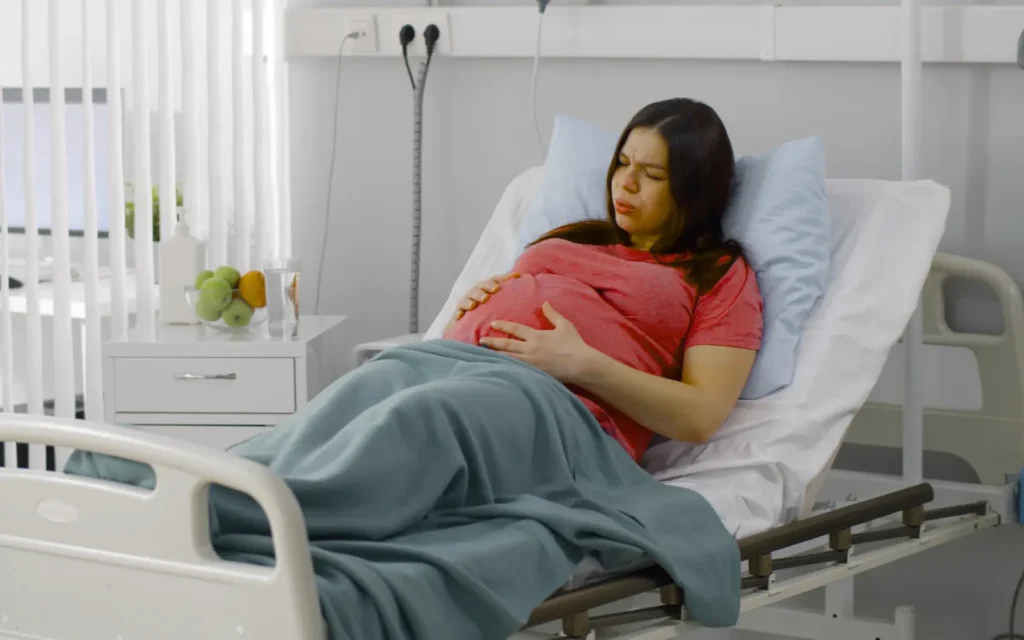
While normal delivery is ideal in many cases, it’s not always the safest option. Sometimes, medical conditions or unexpected complications make a C-section necessary, and that’s perfectly okay.
Understanding when this shift might happen helps reduce the shock and disappointment many mothers feel when plans change.
Medical Conditions That May Prevent a Normal Delivery
Some situations where your doctor may recommend a C-section include:
- High blood pressure or preeclampsia: These can pose risks to both mother and baby.
- Gestational diabetes: May lead to a larger baby size, making vaginal delivery difficult.
- Placenta previa: When the placenta blocks the cervix, normal delivery becomes unsafe.
- Breech position: If the baby isn’t head-down close to delivery, a C-section might be safer.
Emergency Situations During Labor
Even if everything looks normal before labor, situations can change fast. Your doctor might switch to a C-section if:
- The baby’s heart rate drops suddenly.
- Labor stops progressing despite full dilation.
- There’s umbilical cord prolapse.
- The mother shows signs of extreme distress or fatigue.
Why This Isn’t a Failure
Let’s be clear, a C-section doesn’t mean something went wrong. It means your doctor made a call in favor of safety. The goal is always the same: a healthy baby and a healthy mom.
Being mentally prepared for both possibilities helps you stay calmer, whatever the outcome.
After Delivery: What Recovery Looks Like
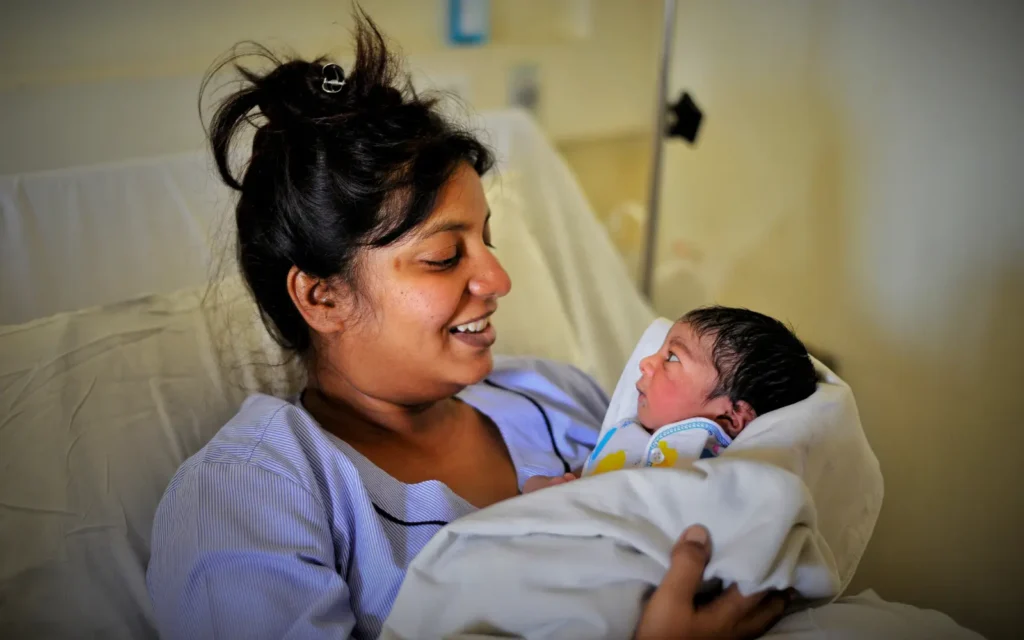
The baby’s here, the hard part’s over, right? Not quite. The days and weeks after delivery are just as important as the birth itself. This phase, known as postpartum recovery, is when your body begins to heal, your hormones rebalance, and your routine resets slowly.
Here’s what to expect after a normal delivery:
When Can You Start Moving Again?
In most cases, women are encouraged to get up and walk within 24 hours after a normal delivery. Movement helps:
- Prevent blood clots
- Improve circulation
- Kick-start a faster recovery
Don’t rush; your body will guide you. Some soreness, weakness, or vaginal discomfort is totally normal in the first few days.
What Should Your Post-Delivery Diet Look Like?
The right food can accelerate healing and improve your energy, especially if you’re breastfeeding.
Stick to:
- Iron-rich foods (to replenish blood loss)
- High-protein meals (for muscle repair)
- Healthy fats (for energy and brain health)
- Hydration, lots of it!
Avoid processed foods and too many sweets. They slow down healing and can make you feel more sluggish.
Caring for Your Mental Health
This part is often ignored, but it shouldn’t be.
After delivery, your hormones fluctuate drastically. It’s common to feel:
- Emotional
- Tired
- Overwhelmed
But if these feelings persist or get worse, it could be postpartum depression, and that’s nothing to be ashamed of. Talk to your doctor or a counselor. You don’t have to go through it alone.
Recovery isn’t a race. Give your body (and mind) the time and care they deserve.
What to Expect From Your Doctor

Choosing the right gynecologist is one of the most important decisions you’ll make during pregnancy. Your doctor is more than just a medical expert; they’re your guide, your coach, and your safety net throughout this journey.
Here’s what a good doctor will provide before, during, and after delivery:
Clear Communication and Regular Checkups
Your doctor should:
- Explain each stage of pregnancy in simple terms
- Walk you through all the test results
- Set realistic expectations about delivery options
- Be available to answer doubts; no question is “too silly.”
Personalized Guidance Over One-Size-Fits-All Advice
Every pregnancy is different. A quality doctor won’t push unnecessary procedures or force timelines. Instead, they’ll monitor:
- Your vitals
- Your baby’s growth
- How your body is responding to changes
And based on that, they’ll recommend the safest path forward.
Empathy, Support, and Experience
A great doctor doesn’t just treat your body; they support your mind too. You should feel heard, respected, and never rushed.
Dr. Lakshita Saini, a gynecologist at Raja Hospital, embodies this balance of expertise and empathy. With her experience and calm approach, expecting mothers in Nawanshahr get not only trusted medical care, but also emotional reassurance through every step of the process.
Why Choose Raja Hospital for Your Delivery in Nawanshahr

When it comes to childbirth, the right environment can make all the difference not just for the mother, but for the entire family. Raja Hospital in Nawanshahr isn’t just another maternity facility; it’s where advanced care meets human warmth.
Here’s why more families are choosing Raja Hospital for their delivery experience:
Advanced Labor Rooms with 24/7 Monitoring
Equipped with modern labor and delivery setups, Raja Hospital ensures that both routine births and emergency cases are handled with precision. From fetal heart monitoring to immediate intervention tools, you’re always in safe hands.
Experienced Doctors and Trained Nursing Staff
Dr. Lakshita Saini and the maternity team bring years of hands-on experience in handling complex deliveries. The nursing staff is not only technically trained but also compassionate — they’ve seen it all and supported hundreds of women through labor with care.
Personalized Birth Plans and Pain Management Options
Every mother is different, and so is every delivery. At Raja Hospital, your preferences matter. Whether you want natural pain relief techniques or are open to an epidural, the team will guide you without pressure.
Clean, Safe, and Family-Friendly Environment
From well-maintained rooms to post-delivery support for the newborn and mother, the hospital focuses on hygiene, comfort, and peace of mind. Your family isn’t just allowed, they’re part of the experience.
Proven Track Record in Successful Normal Deliveries
With a high success rate in normal deliveries, Raja Hospital continues to be one of the most trusted choices in Nawanshahr for expectant mothers who want the best care without unnecessary interventions.
Frequently Asked Questions
Q1. Is a normal delivery painful?
Yes, there is pain involved, but it varies from woman to woman. The good news is that with breathing techniques, body positioning, and pain relief options like epidurals, the pain can be managed effectively.
Q2. How long does recovery take after a normal delivery?
Most women start feeling better within a week, and full recovery typically takes around 4 to 6 weeks. Walking, light activity, and even climbing stairs can often resume within a day or two — based on your body’s comfort.
Q3. Can I choose between normal delivery and C-section?
While your preference matters, the final decision depends on your medical condition and what’s safest for you and your baby. A good doctor will always discuss the reasons behind the recommendation.
Q4. How soon can I resume normal activities?
You can usually begin light activities like walking and gentle stretching within a few days. Avoid lifting heavy weights or doing intense physical tasks until cleared by your doctor.
Q5. Does Raja Hospital offer prenatal or childbirth classes?
Yes, Raja Hospital offers counseling and educational support to help mothers-to-be understand each stage of pregnancy and prepare mentally and physically for childbirth.
Struggling with same?
Book Your Appointment With Our Expert Doctors

Conclusion
Bringing a baby into the world is not just a medical event; it’s a powerful, natural process your body is built for. But that doesn’t mean you have to go through it blindly.
Understanding the basics of normal delivery, preparing well in advance, and choosing the right hospital can turn fear into confidence. And when you’re supported by a skilled, compassionate team like the one at Raja Hospital Nawanshahr, you’re not just delivering a baby, you’re delivering peace of mind.
So take a deep breath. Ask questions. Prepare your body. Trust your doctor. You’ve got this.