
ICU in Nawanshahr: 3 Big Mistakes People Make in a Medical Emergency!
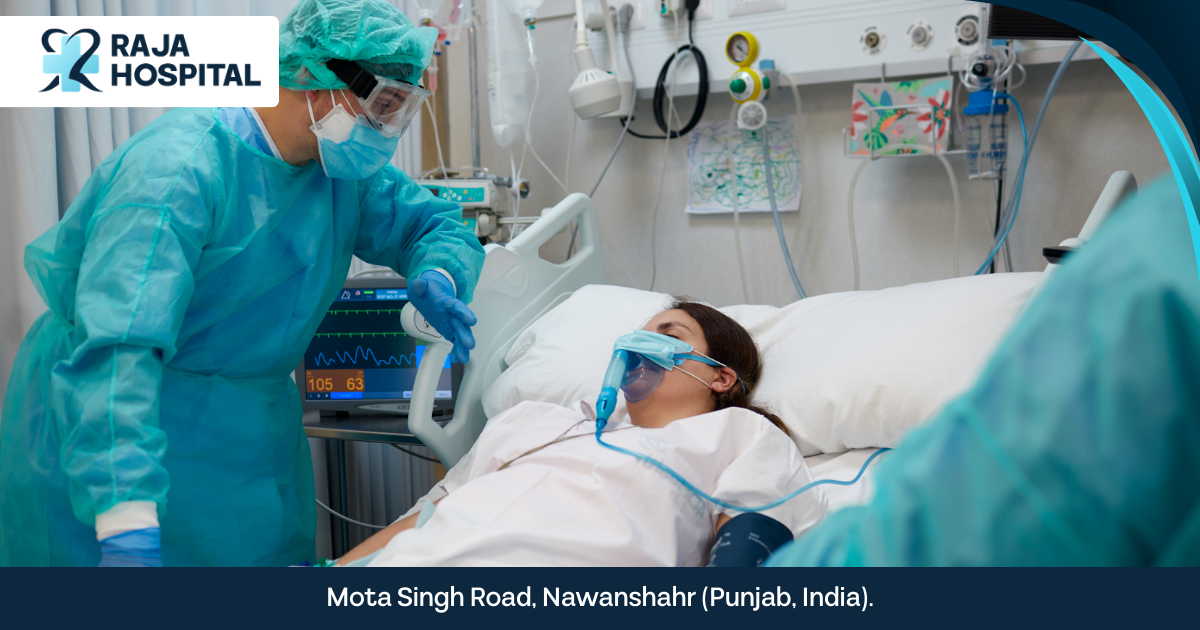
REVIEWED BY DR. SHOKET ALI & Dr. Arun K Gupta (MD MEDICINE, MD Anaesthesia) on 24th february 2026.
When something goes wrong medically, we panic. Our first thought? “We need to get to a big city hospital.” Chandigarh feels safer. Maybe Jalandhar is closer? But will we even make it in time?
Here’s what most people don’t realize: that 30-minute delay while you’re deciding where to go? It can make all the difference.
The hard truth is that this many lives are lost not because treatment isn’t available, but because we waste precious time getting to it.
And the biggest mistake we make? Not seeing what’s right here in our own community.
Raja Hospital in Nawanshahr has a fully equipped ICU, trained specialists on staff, and emergency care available around the clock. But most people still think they need to drive hours away when something serious happens.
In this article, I’m going to walk you through the 3 biggest mistakes families make during medical emergencies, why hearing “ICU” doesn’t mean what you think it means, and how people right here in Nawanshahr now have access to advanced care without leaving town.
Let’s talk about this honestly, clear up some fears, and help you make better decisions when every second counts.
What Is ICU & Why It’s Not a Death Sentence
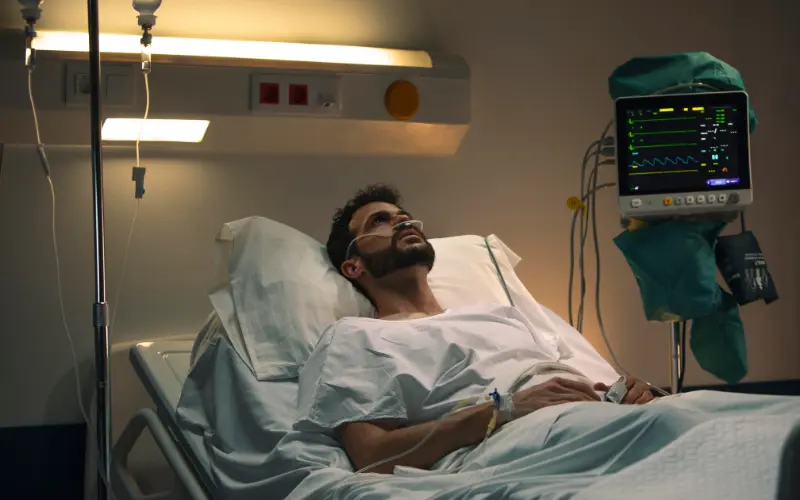
Let’s talk about the ICU for a minute because I know just hearing those three letters can be scary.
For most of us, ICU sounds like the end of the road. A place you go when there’s no hope left. But here’s what it actually is: the ICU is where hope gets its best chance to fight.
The Intensive Care Unit is built for people whose bodies need serious support while they heal. It’s not where things end; it’s where the real fight to save a life happens, with everything and everyone focused on one goal: getting you through it.
So what actually goes on inside an ICU?
- Your loved one is monitored every single minute, heart rate, oxygen levels, blood pressure, everything is being tracked in real time.
- Doctors and nurses trained specifically in critical care are right there, ready to respond the second something changes.
- Life-support equipment like ventilators, infusion pumps, and monitoring systems helps your organs function while your body focuses on healing.
In simple terms, the ICU provides your body with a safe, controlled environment to recover when every minute really does count.
Let’s be clear about something:
Being admitted to the ICU doesn’t mean you’re dying. It means everything is being done to save your life actively.
So instead of fearing the ICU, it’s time to see it for what it really is: your best chance at survival when things get serious.
Why Critical Care Matters in Medical Emergencies
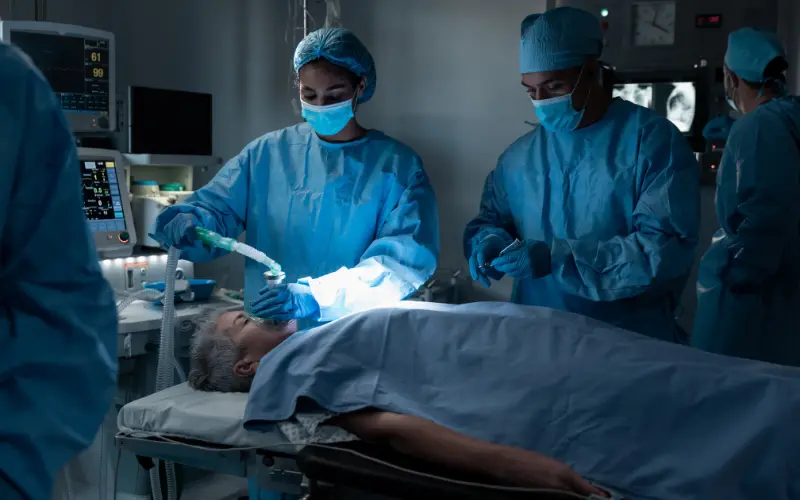
When something serious happens, like a stroke, a heart attack, a bad accident, or someone can’t breathe, you don’t get hours to figure things out. You get minutes. Maybe less.
That’s exactly why critical care exists. It’s built for those moments when your body is in crisis and needs help right now.
Here’s why critical care can be the difference between life and death:
- It stabilizes the basics first. Making sure you can breathe, your heart is beating properly, and your blood pressure is where it needs to be.
- Doctors can jump into action immediately with ventilators, emergency medications, and whatever is needed in that moment.
- Round-the-clock monitoring means nothing gets missed. Not even the smallest warning sign.
Most importantly? Critical care buys you time. Time for your body to respond. Time for treatment to kick in. Time for your family to breathe again. And here’s what too many families don’t realize until it’s too late.
The longer you wait, the slimmer your chances get.
Every minute you spend driving to another city is a minute your body doesn’t have. And here in towns like Nawanshahr, people often don’t realize just how good the local care actually is. Not until they’ve already lost precious time.
Now, with a full critical care team ready at Raja Hospital right here in Nawanshahr, that lifesaving support is just minutes away. Not hours. Minutes.
Inside the ICU at Raja Hospital, Nawanshahr

A lot of families think you can only get good ICU care in big cities like Chandigarh or Ludhiana. But that’s not true anymore. Raja Hospital in Nawanshahr has a fully equipped Intensive Care Unit that’s ready to handle serious medical emergencies quickly and effectively.
So what makes our ICU different?
This isn’t just another hospital room. It’s a proper life-saving unit, run by trained professionals and backed by modern medical equipment.
1. Emergency Team Available 24/7
Doctors who specialize in critical care are here around the clock. You don’t have to wait for someone to show up. They’re already here.
2. Modern Life Support Systems
We have ventilators, oxygen support, and monitoring equipment ready to help when your organs need support during those critical hours.
3. Constant Monitoring
Patients are watched in real time. Heart rate, breathing, and blood pressure. Everything. So doctors can step in the moment something changes.
4. Clean and Safe Environment
Our ICU follows strict hygiene and infection control standards. We keep the space clean and isolated to protect patients when they’re most vulnerable.
Raja Hospital’s ICU means people in Nawanshahr can get the emergency care they need right here at home. No long drives. No wasted time. Just fast, reliable care when it matters most.
What Happens Inside an ICU – And Why It’s Different
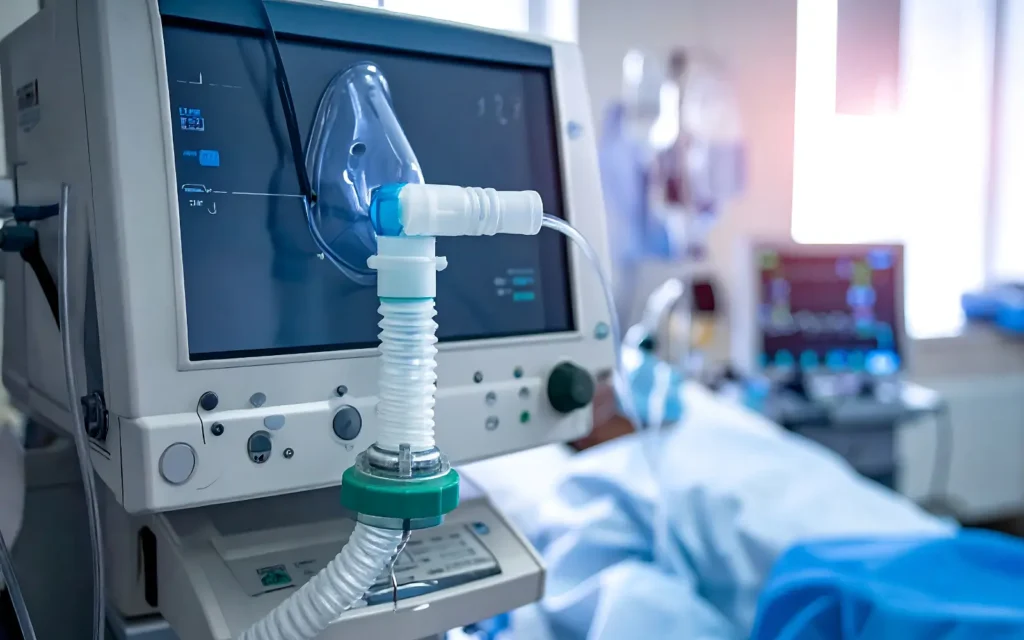
The ICU doesn’t work like a regular hospital room, and there’s a good reason for that. It’s not about being strict or keeping people out. It’s about creating the safest possible space for patients when their bodies are fighting hard to recover.
Why ICU care looks and feels different
- Visitors are limited to reduce noise, lower infection risk, and keep the environment calm for healing.
- Every second matters, so everything is carefully controlled. The lights, the sounds, the temperature, and even how the staff moves around the room.
- Doctors and nurses stay close by, right at the bedside, so they can respond immediately if needed.
- Machines track everything in real time. Oxygen levels, heart rate, breathing, and even brain activity. Nothing is left to chance.
- Cleaning and sterilization are taken very seriously to protect patients whose immune systems may be weak.
- Personal items and outside food aren’t allowed. It’s all about keeping things clean and helping the body focus on getting better.
These aren’t just random rules. They’re part of a carefully designed system to give critically ill patients the absolute best chance at surviving and healing.
Real Stories, Real Lives Saved
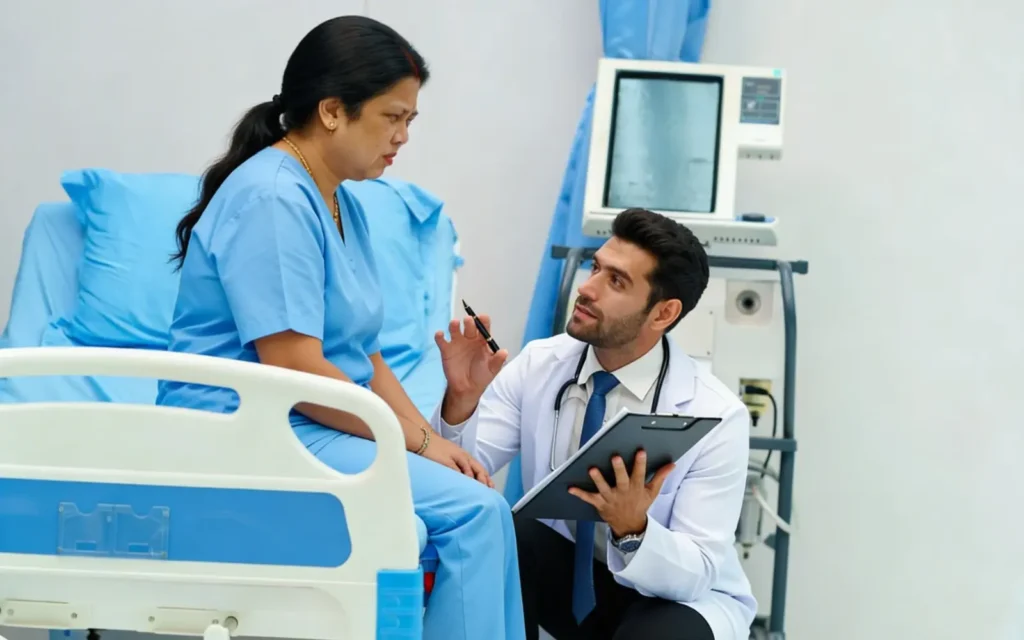
You know what we keep hearing? “We need to go to Chandigarh.” “Let’s take them to Ludhiana.” People still think serious cases need a big city hospital.
But here’s what’s actually happening. Families right here in Nawanshahr are finding out that Raja Hospital’s ICU is handling emergencies just fine. And lives are being saved without anyone having to leave town.
Real people. Real emergencies. Real outcomes.
Let me tell you about some of the cases we’ve seen recently.
- A 58-year-old man came in with a heart attack. Within half an hour of getting to our ICU, he was stable.
- A little child couldn’t breathe properly. We put them on a ventilator right away. Today, that child is doing great.
- Someone got hurt badly in a road accident. Internal bleeding. We kept a close watch all night and managed it here.
- An elderly person had a stroke. We monitored them constantly, which stopped things from getting worse long-term.
- A diabetic patient’s sugar dropped so low that they were about to go into a coma. Our team caught it just in time.
I’m not sharing these to brag. I’m sharing them because people need to know this kind of care exists right here. You don’t always need to rush out of town. Sometimes, the help you need is closer than you think.
How to Prepare If a Loved One Is Admitted to the ICU
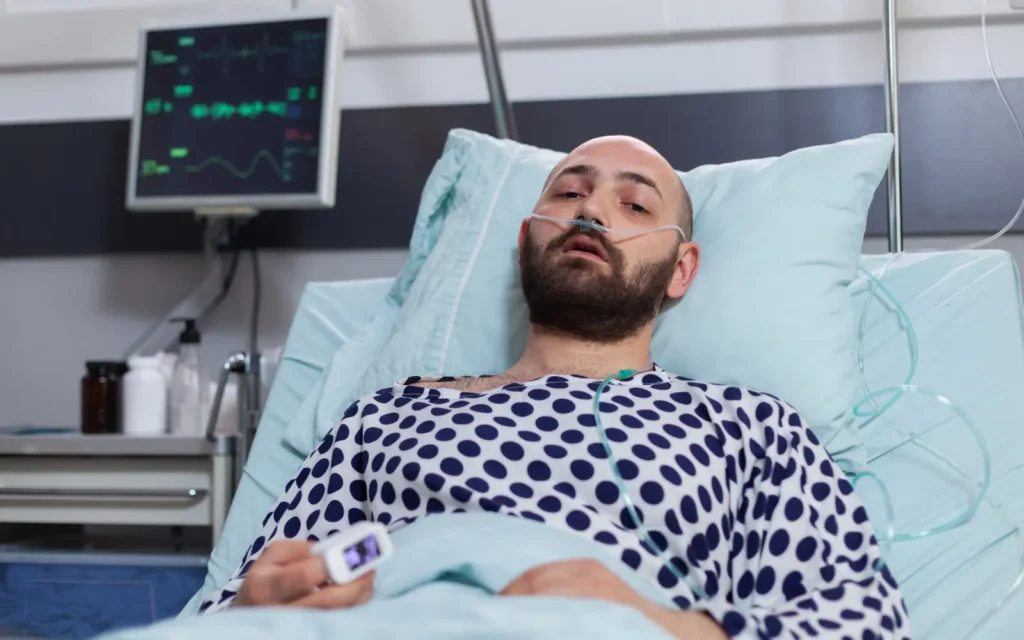
When someone you care about gets moved to the ICU, the fear is real. I’ve watched families go through this more times than I can count, and that gut-wrenching feeling when the doors close behind them? I see it every time.
But let me tell you what I’ve figured out over the years. When you actually understand what’s going on and know the specific ways you can help, it doesn’t make the fear disappear, but it makes it manageable. You feel less powerless.
What families can do during ICU admission:
1. Try to stay calm and listen to the medical team
Easier said than done, right? I’m asking you to do something that goes against every fiber of your being when someone you love is fighting for stability. Your brain is screaming at you to do something, anything. But panic? It doesn’t help them.
The doctors and nurses in that room are laser-focused on one thing: getting your person stable, and getting them there fast. They’ve done this before. Many times. Let them work. Trust me when I say they’re giving everything they’ve got.
2. Keep visitor numbers low
I know. Everybody wants to be there. Your whole extended family, the neighbors, the friends from childhood. Everyone who loves this person wants to show up. That’s beautiful, actually. But here’s what happens in an ICU: too many bodies in the room, too much noise, too much movement, it all works against what that patient needs most. Peace. Stillness.
The visiting restrictions aren’t about being cold or bureaucratic. They’re about creating the exact environment your loved one needs to recover.
3. Ask questions when you don’t understand something
Seriously, ask. Don’t just nod along while your mind is spinning with worst-case scenarios. We explain things to worried families literally all day long. It’s part of the job, and honestly?
Most of us would rather answer your questions than have you sitting there terrified and confused. You deserve to know what’s happening. Clear answers help. They really do.
4. Don’t bring food or personal items from home
I know you want to. That homemade soup, the pillow from their bed, the stuffed animal from when they were a kid. Anything to make this cold, clinical place feel a little more like home. I completely understand that impulse. But the ICU needs to stay incredibly clean.
Bringing things from outside, even with the best intentions, can introduce infection risks or interfere with the equipment and care happening around the clock.
5. Trust that your loved one is being watched
You might glance around and not see a doctor standing right there at that exact second. That can be unnerving. But they’re being monitored every single moment.
The machines tracking vitals, the nurses checking in constantly, the alarms calibrated to catch the smallest change. Someone is always, always paying attention.
Being there for someone in the ICU isn’t always about physical presence in the room. Sometimes the most loving thing you can do is step back, give them the calm and space they need to heal, and trust the process. That takes a different kind of strength.
When You Should Head to the ICU Immediately
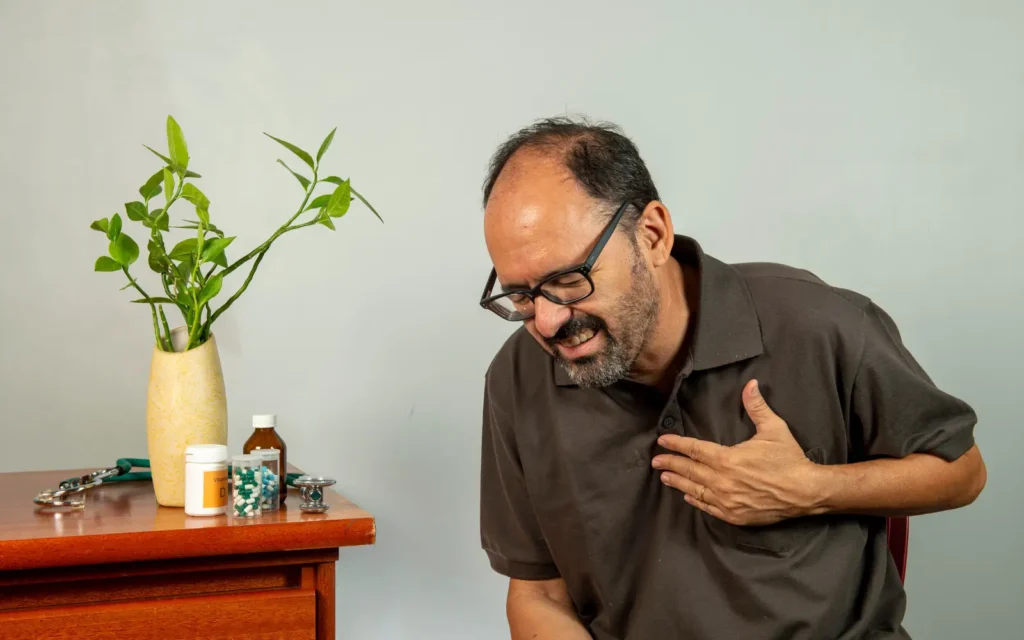
Here’s what happens too often. Someone starts feeling really bad, but they wait. They think it’ll pass. Or maybe they’re not sure if it’s serious enough. So they delay going to the hospital.
But when it comes to real emergencies, waiting can cost you everything.
Warning signs you should never ignore
If you or someone near you has any of these symptoms, don’t wait around. Get to the nearest ICU as fast as you can.
- Chest pain or tightness that won’t go away.
- Trouble breathing or feeling like you can’t get enough air.
- Sudden weakness or numbness on one side of your body.
- Heavy bleeding that won’t stop, or a serious injury from an accident.
- Passing out or fainting more than once.
- Seizures or convulsions when there’s no history of them.
- A bad allergic reaction with swelling or trouble breathing.
- Blood sugar that’s way too low or dangerously high if you’re diabetic.
These aren’t things you can handle at home or wait out. They need immediate medical attention and close monitoring. And that’s exactly what Raja Hospital’s ICU is here for, right here in Nawanshahr.
Frequently Asked Questions
Q1. Is the CU available 24/7 in Nawanshahr?
Yes. Raja Hospital’s ICU operates round-the-clock with doctors and nursing staff trained in emergency and critical care.
Q2. What kind of doctors handle ICU patients?
ICU patients are managed by intensivist doctors specialized in critical care, along with a team of nurses, anesthetists, and specialists, depending on the condition.
Q3. Is Raja Hospital equipped for trauma and accident cases?
Yes. The ICU is prepared to handle trauma cases, including internal injuries, bleeding, and severe shock, with necessary life-support systems in place.
Q4. How is the ICU different from the emergency room?
The emergency room handles initial treatment and stabilization. If a patient’s condition is serious and needs continuous monitoring, they are shifted to the ICU for advanced care.
Q5. Can family members visit ICU patients?
Yes, but visiting hours and safety guidelines are followed strictly to ensure patient recovery and minimize infection risks.
Struggling with same?
Book Your Appointment With Our Expert Doctors

Conclusion:
For years now, people in Nawanshahr have had this idea stuck in their heads. “Real emergency care? That only exists in the big cities.” And look, I get it. That’s what we all grew up thinking. Emergency meant piling into a car, speeding toward Ludhiana or Chandigarh, hoping and praying you’d get there in time.
But here’s what that belief has actually done to us. It’s stolen time we didn’t have to lose. Critical time. The kind of time that, in an emergency, is the difference between making it and not making it. I’ve watched it happen. Families are scrambling to get someone on the road when every minute that ticks by matters more than the last one.
Things are different now, though. Raja Hospital isn’t what it used to be. We’ve got a fully equipped ICU. Trained critical care doctors and nurses who know what they’re doing when things go sideways fast. This isn’t some makeshift setup or a temporary solution. It’s legitimate emergency care, right here in town.
So when someone has a heart attack at home, or a stroke hits out of nowhere, or there’s been a bad accident, and breathing becomes a struggle, you don’t have to lose an hour getting them onto a highway. The ventilators are here. The cardiac monitors, the emergency medications that can actually reverse what’s happening in those first few minutes, all of it’s here. And the people trained to use it all? Standing by.
I’m not telling you this to make Raja Hospital sound good. I’m telling you because it’s the truth, and because I think it could matter to you someday. When every second counts, staying local doesn’t just save you the drive. It can genuinely be the thing that saves someone’s life.
So next time there’s a real emergency with someone you care about, I want you to pause and remember what I just said. You don’t need to go chasing better care somewhere far away. You’re already standing right where that care exists. Just get them here. Quickly. The rest, we’ll handle.