
Diabetes in Nawanshahr: 10 Warning Signs Most People Miss!
REVIEWED BY DR. SHOKET ALI (MD MEDICINE) on 28 March 2026.
Nawanshahr has a problem nobody’s really talking about openly. Diabetes. And not in a “distant health statistic” kind of way, I mean it’s showing up in families right here, people in their 30s and 40s, sometimes younger.
What gets me is how many people find out too late. Not because they weren’t showing signs, they were. Tiredness that doesn’t go away even after a good night’s sleep. Waking up at 2 am just to use the bathroom. Drinking chai, water, and lassi, and still feeling parched. These aren’t random complaints. These are the body quietly sending out a signal, “I need help urgently”.
But life is busy, right? People in Nawanshahr, like most of Punjab, tend to push through. “It’s the heat.” “I’ve been working too hard.” “Maybe I need iron tablets.” The symptoms get explained away for months, sometimes years.
That delay is where the real damage happens. When blood sugar stays unchecked for too long, it starts quietly damaging things like your kidneys, your nerves, and your heart. By the time most people walk into a clinic, they’re not dealing with just diabetes anymore. They’re dealing with additional complications.
Here’s what I want you to take away from this: catching it early genuinely changes everything. Not just the treatment, but your quality of life, your energy, how you feel day to day.
So if something feels off and you’ve been brushing it aside, this guide is for you. Let’s talk about what to actually watch for and when to stop waiting and get yourself tested.
Why Diabetes Cases Are Rising in Nawanshahr

Walk into any clinic in Nawanshahr these days, and you’ll hear the same story. More patients. Younger patients. People who came in for something else entirely and left with a diabetes diagnosis they weren’t expecting.
It’s becoming a pattern, and it’s worth understanding why.
Nobody’s really walking anymore
I know this sounds obvious, but hear me out. A generation ago, people in this area naturally stayed active. Markets were walkable. Work was physical. Even household chores kept people moving.
Now that’s just… not the case.
Most people sit for 8–10 hours at work, drive home, then sit again in front of a screen. There’s no dramatic moment where things go wrong; your body just quietly loses its ability to manage blood sugar efficiently when it never gets to move.
The food situation is complicated
Nobody’s going to tell you to stop eating parathas. That’s not realistic, and honestly, the food itself isn’t the real problem.
The issue is frequency and balance. Having a heavy buttered paratha breakfast, a few cups of sweet chai throughout the day, and something fried in the evening, that’s a lot of sugar and carbs hitting a body that isn’t moving enough to use them.
Over months and years? Blood sugar starts climbing.
Your family history matters more than you think
A lot of people shrug this off. Big mistake. If your father has diabetes, or your mother, or even your nana or dada, your personal risk is meaningfully higher than someone with no family history. It doesn’t guarantee anything. But it means you shouldn’t be waiting for symptoms before getting tested. By then, things had already been off track for a while.
Stress is doing quiet damage
This one gets ignored the most. People accept stress as just… normal life now. Work tension, financial pressure, sleeping late, skipping meals, or eating at weird hours.
Your body doesn’t handle glucose the same way when it’s chronically stressed and sleep-deprived. Hormones go haywire. Insulin doesn’t work as well. And most people have no idea this connection even exists.
None of this is meant to scare anyone. Most of these factors are genuinely controllable — a 20-minute evening walk, cutting one cup of sweet chai, and getting a basic blood test once a year if diabetes runs in your family.
Small things. But they add up just like the bad habits do.
10 Early Symptoms of Diabetes Most People Miss
Here’s the thing about diabetes: it rarely announces itself. No dramatic moment, no obvious sign. Just your body quietly struggling in the background while you blame the weather, blame work, blame “getting older.”
By the time most people get diagnosed, the signs are already there. For months, sometimes years.
Here are 10 of them.
1. Going to the Bathroom Way Too Often

Not just once or twice extra. We’re talking, you just went, and you feel like you need to go again. Your kidneys are basically working overtime, trying to push out all that extra sugar through urine.
- More trips to the toilet than usual during the day
- Getting up at night to urinate, sometimes more than once
- Bladder feeling full again, surprisingly quickly
2. Thirst That Just Won’t Quit
You drink a full glass of water. Five minutes later, still thirsty. This isn’t about the summer heat or eating something salty. When blood sugar rises, your body keeps screaming for more fluids.
- Dry mouth that sticks around no matter what
- Drinking water constantly but never feeling satisfied
- Thirst that somehow gets worse as the day goes on
3. Tiredness That Sleep Doesn’t Fix
This one gets dismissed constantly. “I’m just busy.” “Work has been stressful.” But there’s a difference between normal tiredness and the kind where eight hours of sleep still leaves you dragging your feet by noon.
- Running on low energy even on good days
- Tasks you used to handle easily now feel like a lot
- Stamina just… not being there anymore
4. Vision Going in and Out

People usually blame their phone screen. Or age. High blood sugar temporarily changes the shape of your eye lens, which throws off your focus. It comes and goes, which is exactly why it gets ignored.
- Blurry vision that isn’t constant, just occasional
- Text is becoming harder to read, especially up close
- Eyes feeling strained or tired without an obvious reason
5. Wounds That Take Forever to Heal
A small cut on your finger. Two weeks later, still there. That’s not normal healing. High blood sugar affects circulation and the immune response, both things your skin needs to recover.
- Minor cuts or scrapes lingering for weeks
- Wounds are getting red or infected more easily than expected
- General feeling that your skin just doesn’t bounce back
6. Losing Weight Without Trying
For some people, this feels like a bonus at first. Then they notice their clothes are getting loose, and they’re not doing anything differently. When your cells can’t use glucose properly, the body starts breaking down fat and muscle instead.
- Dropping kilos without dieting or extra exercise
- Clothes fit differently within weeks
- Looking or feeling physically smaller without trying
7. Hungry Again Right After Eating
You just had a proper meal. An hour later, you’re opening the fridge again. When insulin isn’t working right, glucose can’t enter your cells properly, so they keep sending hunger signals even when you’ve eaten enough.
- Appetite is returning faster than it should
- Thinking about food again too soon after meals
- Never quite reaching that satisfied, full feeling
8. Tingling in Hands or Feet
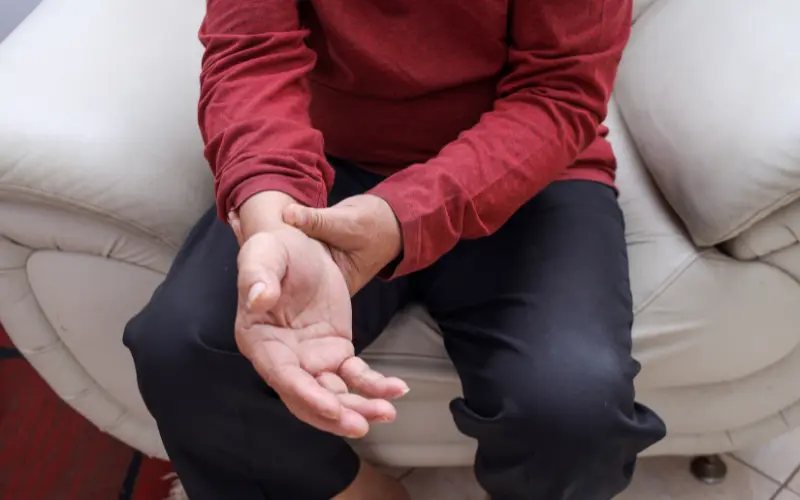
This is the nervous system reacting to prolonged high sugar. It usually starts with a mild pins-and-needles feeling, maybe some warmth or buzzing. Easy to ignore. Important not to.
- Tingling or prickling in the feet, especially at night
- A burning sensation that comes without any clear cause
- Fingertips or toes occasionally going slightly numb
9. Skin Infections That Keep Coming Back
One fungal infection, fine, happens. But the same infection returning every few weeks? Bacteria and fungi thrive in high-sugar environments. If your blood sugar is elevated, your skin basically becomes easier to infect.
- Recurring itching in the same spots
- Fungal infections that clear up and then return
- Skin that gets inflamed or irritated more than it used to
10. Dark Patches Around the Neck or Underarms
This one surprises people. It looks like a tan line or like the skin just needs scrubbing — but it doesn’t go away. These patches are called acanthosis nigricans, and they show up when insulin resistance is building in the body.
- Skin around the neck is turning visibly darker
- Similar patches appearing in the armpits or inner thighs
- That darkened skin feels slightly raised or velvety
One last thing: None of these symptoms alone means you definitely have diabetes. But if two, three, or more of these sound familiar, don’t sit on it. Get a basic blood sugar test done. It takes ten minutes and can genuinely change what happens next.
Early detection isn’t just helpful. In this case, it actually matters a lot.
Age Groups Most at Risk of Diabetes

Many people believe diabetes only happens in old age, but that’s no longer true. Doctors are now seeing diabetes in younger adults as well.
Understanding which age groups are more at risk can help people take preventive steps early.
People Above 40 Years
The risk of diabetes naturally increases after the age of 40.
- Body metabolism starts slowing down
- Blood sugar regulation becomes less efficient
- Lifestyle-related health issues become more common
Adults Between 30–40 Years
In recent years, diabetes cases in this age group have increased significantly.
- Sedentary work lifestyle
- Long hours sitting at desks
- Stress and irregular eating habits
Young Adults Under 30
While less common earlier, diabetes is now being seen even in younger people.
- High consumption of fast food and sugary drinks
- Lack of physical activity
- Poor sleep patterns
People with a family history of Diabetes
Genetics plays a big role in diabetes risk.
- If parents have diabetes, the risk increases
- Risk also increases if siblings or close relatives have it
- Regular testing becomes more important in such cases
People Who Are Overweight
Being overweight increases the chances of developing insulin resistance.
- Excess body fat affects how the body uses insulin
- Weight gain is often linked with an inactive lifestyle
- Healthy weight management can reduce risk
Knowing these risk factors isn’t meant to scare you; it’s actually useful information. Small, consistent changes make a real difference here. Moving your body regularly, eating a bit more mindfully, and getting a basic checkup done once in a while. Nothing extreme. Just pay attention before something forces you to.
Risk Factors of Diabetes in Punjab

Punjab has one of the highest numbers of diabetes cases in India. Genetics does play a part, sure, but the way people live day-to-day in this region is also quietly adding to the numbers.
Understanding what’s actually driving this can help people make small but meaningful shifts before things get serious.
High-Carbohydrate Diet
Punjabi food is hearty and genuinely delicious; nobody’s debating that. But a lot of traditional meals carry more carbohydrates than the body can comfortably process on a daily basis.
- Parathas loaded with butter show up at breakfast most mornings
- White rice and maida-based foods are eaten in large quantities pretty regularly
- Sweets and sugary desserts that are hard to say no to, and often aren’t
Eaten occasionally, fine. Eaten every single day with little activity to balance it out, blood sugar starts climbing over time.
Sedentary Lifestyle
Life has gotten more comfortable and, in a lot of ways, more still.
- Most of the day is spent sitting, whether at a desk or behind a steering wheel
- Barely any time left for a walk, let alone proper exercise
- Evenings disappearing into phone screens and television
When the body stays inactive for long stretches, managing blood sugar becomes harder than it needs to be.
Increasing Obesity
Weight gain has crept up on a lot of people, and it’s not hard to see why, given everything else on this list.
- Calorie-dense food eaten regularly
- Physical movement is reduced to a minimum
- Eating schedules all over the place
Extra weight around the belly especially makes the body less sensitive to insulin. And that’s where the real trouble begins.
Stress and Irregular Routine
This one doesn’t get enough attention, honestly.
- Constant work pressure and the mental load that comes with it
- Sleeping late, waking up tired, repeating the cycle
- Skipping meals when busy, then overeating when there’s finally time
All of this quietly disrupts the body’s hormonal balance. The metabolism takes a hit. And most people don’t connect the dots until much later.
Family History
This factor you can’t control, but you can work around it.
- Diabetes does tend to move through families
- If one or both parents have it, the risk is genuinely higher and worth taking seriously
- But lifestyle choices still matter enormously; family history isn’t a fixed sentence
Most of these risk factors aren’t fixed. That’s actually the important part. You don’t need a complete life overhaul.
Eating a little better, going for a walk most days, getting your blood sugar checked once in a while, these aren’t big asks. But done consistently, they genuinely change where things are headed. Prevention here is less about discipline and more about just staying aware.
Diabetes Diet Plan: What People in Nawanshahr Should Eat

Diet plays a huge role in managing and preventing diabetes, probably more than most people realize. And here’s what nobody tells you: you don’t need to start buying expensive imported foods or follow some complicated meal plan from the internet.
Your regular Punjabi kitchen already has most of what you need. A few honest adjustments to what you’re already eating can genuinely keep your blood sugar in a much better place.
Foods That Help Control Blood Sugar
Adding these to your daily meals is a good place to start.
- Whole grains like whole wheat roti, oats, and brown rice
- Green vegetables such as spinach, broccoli, bottle gourd (lauki), and bitter gourd (karela)
- Protein-rich foods like lentils (dal), chickpeas, paneer, eggs, and tofu
- Fresh fruits in moderation, such as apples, guava, papaya, and berries, work well
- Healthy fats from nuts, seeds, and small amounts of olive or mustard oil
What these foods have in common is that they release sugar into the bloodstream slowly. No sudden spike, no crash, just steady energy.
Foods to Limit or Avoid
These are the ones that cause problems, especially when eaten regularly.
- Sugary drinks like soft drinks and packaged juices
- Refined flour products include white bread, noodles, and most bakery items
- Deep-fried snacks like samosas, pakoras, and chips
- Sweets and desserts like jalebi, gulab jamun, and laddoos
- Too much sugar in your chai or coffee
Nobody’s saying never eat these again. But having them daily, in large amounts, is what quietly pushes blood sugar up over time.
Simple Healthy Eating Tips
You really don’t need to overhaul everything at once. These small habits alone can shift things noticeably.
- Eat smaller meals at regular times instead of skipping and then overeating
- Add some vegetables to every meal, even a small amount counts
- Don’t skip meals, especially breakfast
- Keep drinking water through the day, not just when you’re thirsty
- Pair your eating habits with some daily movement, even just a walk
Food alone does a lot. But food combined with staying even a little active, that’s where you really start seeing the difference.
Common Diabetes Myths People Still Believe
There’s a lot of confusing information floating around about diabetes, most of it passed down through family conversations, neighbourhood advice, or things people half-remember hearing somewhere. Some of it is harmless. Some of it genuinely stops people from getting the help they need.
Time to set a few things straight.
Myth 1: Only People Who Eat Too Much Sugar Get Diabetes
This is probably the most repeated one. Someone gets diagnosed, and the first reaction is “but they don’t even eat that many sweets!”
- Sugar is one small piece of a much bigger picture
- Genetics, how active you are, your weight, your stress levels, all of it plays a role
- Plenty of people who barely touch mithai still end up with high blood sugar
Myth 2: Thin People Cannot Get Diabetes
Looking slim on the outside says nothing about what’s happening on the inside.
- People with completely normal body weight get diagnosed too, more than people realise
- If diabetes runs in your family, that risk doesn’t disappear just because you’re not overweight
- Being thin isn’t a free pass
Myth 3: Diabetes Only Happens in Old Age
This used to be mostly true. It isn’t anymore.
- Doctors are regularly seeing new cases in people in their 30s, sometimes even in their late 20s
- Sedentary routines, poor eating habits, and chronic stress are pushing that age down
- Waiting until you’re “old enough to worry” is waiting too long
Myth 4: Once You Start Diabetes Medicine, You Can Never Stop
This fear is real, and it keeps a lot of people from going to the doctor in the first place.
- When caught early, some people genuinely manage to bring their blood sugar under control through lifestyle changes alone
- Medication isn’t a life sentence; it’s a tool to keep things stable while your body adjusts
- That decision is between you and your doctor, not something to assume from the start
Myth 5: If You Feel Fine, You Don’t Have Diabetes
This one is probably the most dangerous myth of all.
- A large number of people walking around right now have elevated blood sugar and have no idea
- Diabetes in its early stages often has no dramatic symptoms, nothing that screams “get tested.”
- A routine blood test is the only way to actually know.
Understanding the truth about diabetes helps people make better health decisions and avoid unnecessary fear.
How to Prevent Diabetes Naturally

Most people assume diabetes is something that just happens to you. But the truth is, a big chunk of cases could have been slowed down or avoided altogether with some basic changes that don’t require a gym membership or a strict diet plan.
Your daily habits are doing more than you think. Here’s where to start:
- Get moving for at least 30 minutes a day. A walk after dinner counts
- Keep your weight in a reasonable range for your height and build
- Add more vegetables and whole grains to your plate, even gradually
- Cut back on sugar, packaged snacks, and anything overly processed
- Get your blood sugar checked at least once a year, even if you feel fine
- Take sleep seriously and find small ways to bring your stress down
None of this has to be perfect or all at once. Even one or two of these shifts, done consistently, can quietly change the direction things are heading.
When Should You Get Tested for Diabetes?

Most people only think about testing after something goes seriously wrong. That’s honestly too late.
Blood sugar problems build slowly. By the time you feel really unwell, things have usually been off for a while already.
Don’t wait for a wake-up call. Get tested if any of this sounds like you:
- Thirsty all the time, or going to the bathroom way more than usual
- Tired and low-energy most days, even when you’ve slept
- A small cut from two weeks ago that still hasn’t healed properly
- Vision that goes blurry sometimes, then comes back
- Diabetes in your family, parent, sibling, nana, dada, or anyone close
- You’re 35 or older
- Sitting most of the day, not much movement, carrying some extra weight
None of this is about scaring you. It’s just a blood test that takes ten minutes. There’s really no good reason to skip it.
Frequently Asked Questions:
What are the early symptoms of diabetes?
Thirst that won’t quit, bathroom trips every hour, tiredness even after rest, vision getting blurry, cuts taking forever to heal. Any one of these alone may be nothing. But two or three together, lasting more than a few weeks? Time to get tested.
At what age should you get tested for diabetes?
35 is when most doctors start recommending it. But honestly, if diabetes runs in your family or your lifestyle hasn’t been great, don’t wait for a specific age. A basic blood sugar test isn’t a big deal. Ignoring the signs for years is.
What foods help control diabetes?
Daliya, vegetables, eggs, dal, and fruits that aren’t overly sweet. Nothing revolutionary. The real shift is cutting back on white rice, maida, and sugary chai every few hours. Small swaps, done regularly, actually make a difference.
Can diabetes be prevented naturally?
A lot of the time, yes. Walking daily, eating less processed food, sleeping properly, and getting checked once a year, these aren’t cures, but they genuinely lower your risk. Most people know what to do. The hard part is actually doing it.
When should I visit a doctor for diabetes symptoms?
Stop waiting for it to “go away on its own.” If thirst, fatigue, or slow healing have been bothering you for weeks, just go get checked. Finding it early keeps your options open. Finding it late doesn’t.
Struggling with same?
Book Your Appointment With Our Expert Doctors

Conclusion:
Diabetes cases in Nawanshahr are going up. That’s just the reality right now.
But the people who come out okay? They’re usually the ones who caught it before it became a bigger problem. Not because they did anything extraordinary, just because they paid attention early.
Watch what you eat. Move a bit more. And if something feels off with your body, go get checked. That’s genuinely all it takes to stay ahead of this.
Raja Hospital in Nawanshahr is a good place to start experienced doctors, proper diagnosis, and someone who can actually walk you through what your results mean and what to do next.