
Accident Care in Nawanshahr: 7 Critical Injury Signs You Must Never Ignore!
REVIEWED BY DR. SHOKET ALI & Dr. Arun K Gupta (MD MEDICINE, MD Anaesthesia) on 28th february 2026.
One moment, everything feels normal. The next moment, there is a loud crash, a sudden fall, or a sharp pain that feels wrong. Accidents do not send invitations. They happen without warning on roads, at home, or at workplaces. In those first few minutes, most families do not know what to do.
The biggest mistake? People wait. They say, “It’s just a minor injury; there’s no bleeding; he’s talking normally, so it must be fine.”
But here is the uncomfortable truth. Not all critical injuries show symptoms immediately. Internal bleeding, concussions, spine trauma, and organ damage can quietly worsen while you are trying to observe for a few hours. In trauma care, time is everything.
In many accident cases, the first 60 minutes, often called the golden hour, can decide recovery, disability, or something far worse. Panic, confusion about which hospital to visit, or underestimating symptoms can turn a manageable injury into a life-threatening emergency.
This article will help you understand the 7 critical injury signs you must never ignore, when you should immediately seek medical care, and why choosing the right trauma facility can make all the difference.
Because when it comes to accidents, awareness does not just inform you. It protects you.
The Harsh Reality of Road Accidents & Sudden Injuries

Accidents are not rare events anymore. They are everyday realities. High traffic, fast driving, distracted riders, slippery roads during monsoon, workplace hazards, and even simple household falls all contribute to sudden trauma cases.
The dangerous part is not just the accident itself. It is what happens in the next 30 to 60 minutes.
Families panic. Bystanders gather. Someone suggests taking the patient home first. Someone recommends a nearby small clinic. Precious time passes. And in trauma care, delay is often more dangerous than the injury itself.
Many serious injuries do not appear dramatic at first. A person may be conscious. They may even walk after a fall. There may be no visible bleeding. That creates a false sense of safety.
But internally, things could be very different.
Why Most Families Panic Instead of Acting Fast
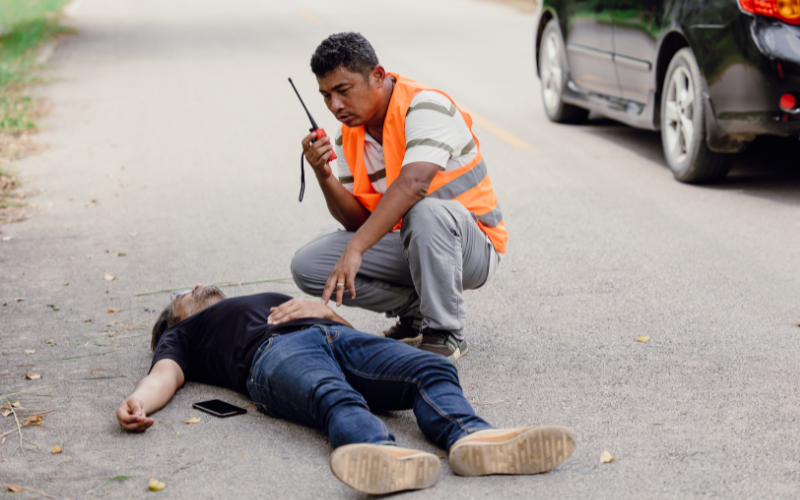
In emergencies, the human brain shifts into shock mode. Logical thinking reduces. Decision-making becomes slow. People focus on what they can see, not what they cannot.
- If there is heavy bleeding, everyone reacts quickly.
- If there is no visible wound, most assume it is safe.
This psychological bias leads to one of the biggest mistakes in accident care. Waiting for symptoms to get worse before seeking medical help.
Unfortunately, by the time symptoms become obvious, the injury may have already progressed.
The “It’s Just a Minor Injury” Myth
This is one of the most common and dangerous assumptions.
- A mild headache after a fall could be a concussion.
- Slight abdominal discomfort could indicate internal bleeding.
- Mild neck pain could be an early sign of spinal injury.
Symptoms of internal trauma can take hours to fully appear. Swelling, internal blood loss, or brain injury may worsen gradually without dramatic early signs.
This is exactly why trauma evaluation at a proper emergency facility is critical, even if the injury seems small.
Early diagnosis saves lives. Delayed diagnosis complicates treatment. And in accident cases, small ignorance can turn into a major emergency very quickly.
When Should You Immediately Visit a Hospital After an Accident?

One of the biggest mistakes people make after an accident is trying to monitor at home. They wait for pain to increase. They wait for visible symptoms. They wait for confirmation that something is seriously wrong. In trauma cases, waiting can be risky.
Here are the critical injury signs you must never ignore.
1. Head Injury Even Without Visible Bleeding
If someone hits their head in a fall, road accident, or collision, medical evaluation is strongly recommended even if there is no external wound.
Watch for:
- Headache that worsens over time
- Vomiting
- Dizziness
- Confusion
- Memory loss
- Drowsiness
- Unequal pupil size
These may indicate concussion or internal brain injury. Symptoms can appear slowly over several hours. Head trauma should never be taken lightly.
2. Severe or Increasing Abdominal Pain
Abdominal injuries are dangerous because internal bleeding is not visible from the outside.
Warning signs include:
- Persistent stomach pain
- Swelling
- Weakness
- Pale skin
- Drop in blood pressure
- Fainting sensation
Internal bleeding can become life-threatening if not treated immediately.
3. Difficulty Breathing or Chest Pain
After an accident, chest injuries may involve ribs, lungs, or internal organs.
If the person experiences:
- Shortness of breath
- Sharp chest pain
- Rapid breathing
- Bluish lips
Immediate emergency care is necessary.
4. Suspected Fracture or Bone Deformity
If there is:
- Visible bone deformity
- Inability to move a limb
- Severe swelling
- Intense pain on movement
It may indicate a fracture or dislocation. Improper movement before stabilization can worsen the injury.
5. Neck or Spine Pain
Spinal injuries are extremely sensitive.
If someone complains of:
- Neck stiffness
- Tingling in arms or legs
- Weakness
- Loss of sensation
Do not move them unnecessarily. Improper handling can cause permanent damage.
6. Excessive Bleeding
If the bleeding won’t stop even after you’ve been applying steady pressure for several minutes, or if it looks like a significant amount of blood is being lost, don’t wait; get emergency help right away. Heavy blood loss can send the body into shock faster than most people realize.
7. Loss of Consciousness Even for a Few Seconds
Blacking out after an accident, even just for a brief moment, is never something to brush off. It could be a sign of brain trauma or an injury happening internally that you can’t see. No matter how quickly the person seems to come around, it needs to be taken seriously.
If you notice any of these warning signs, getting to a hospital as soon as possible is strongly advised. The sooner a proper diagnosis is made, the better the chances of a full and safe recovery.
What Happens Inside a Proper Trauma & Emergency Setup?
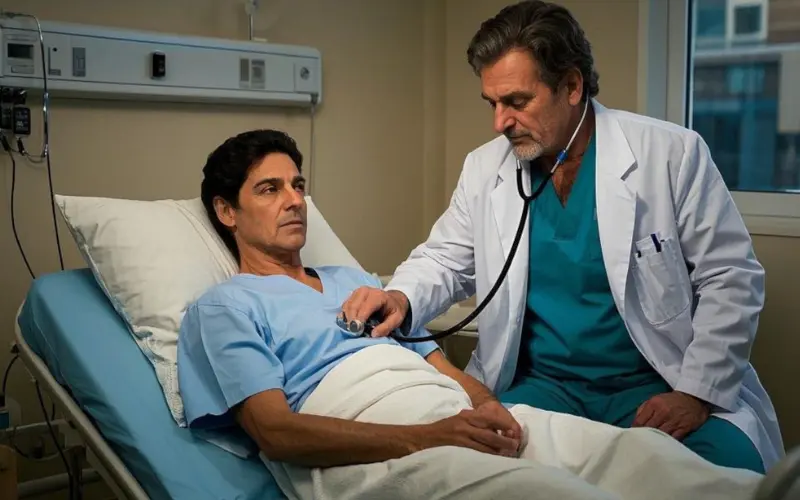
When a patient arrives after an accident, every second matters. A well-equipped trauma and emergency unit does not waste time on guesswork. It follows a structured protocol designed to stabilize, diagnose, and treat the injury as quickly as possible.
This systematic approach is what separates basic first aid from advanced trauma care.
The Golden Hour Concept
In emergency medicine, the first 60 minutes after a serious injury are often called the golden hour. During this time, rapid assessment and intervention significantly improve survival and recovery outcomes.
The focus during this period is:
- Securing the airway and breathing
- Controlling bleeding
- Stabilizing blood pressure
- Preventing further damage
- Conducting urgent imaging if required
Delays during this window can increase complications. Early medical intervention can prevent internal bleeding from worsening, brain swelling from progressing, and shock from setting in.
This is why reaching a properly equipped hospital quickly is critical.
Role of ICU, Trauma Team, and 24/7 Emergency
A structured trauma facility is not just a room with a bed and oxygen. It is a coordinated system.
It includes:
- Emergency physicians trained in trauma care
- Orthopedic specialists for fractures and bone injuries
- Critical care specialists
- ICU support for continuous monitoring
- Advanced diagnostic facilities such as X-ray, ultrasound, and other imaging
Immediate stabilization is the first goal. After that, specialists evaluate the extent of internal or external injuries and plan treatment accordingly.
Continuous monitoring in the ICU becomes necessary for patients with head injuries, severe blood loss, breathing difficulty, or multiple trauma.
Round-the-clock emergency services ensure that patients receive care regardless of time. Accidents do not follow office hours, and trauma care should not either.
Ambulance and Immediate Response System
Proper trauma care often begins before reaching the hospital.
An equipped ambulance with trained staff can:
- Provide oxygen support
- Control bleeding
- Immobilize fractures
- Maintain spinal precautions
- Monitor vital signs during transport
Safe and stabilized transfer reduces risk before definitive treatment begins.
The difference between recovery and complication often lies in how efficiently this entire system works together.
Why Choose the Right Hospital
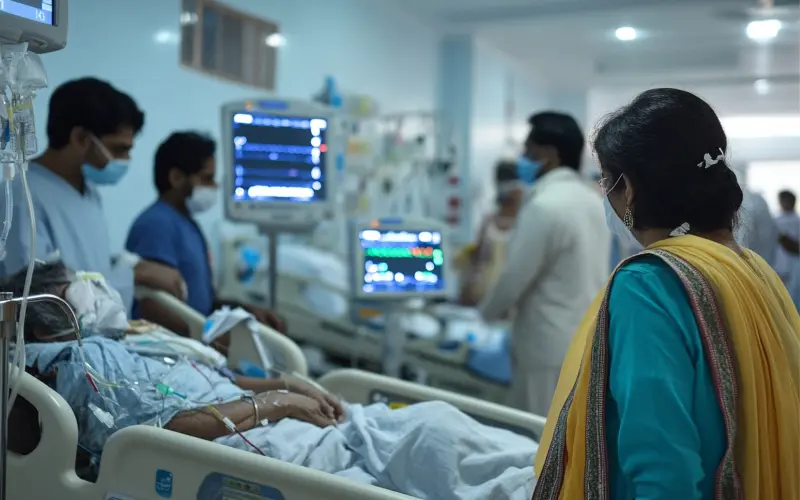
Not all hospitals are truly built to handle serious trauma. When it comes to accident cases, where a patient ends up first can make a tremendous difference between a smooth recovery and dealing with complications for months or even years.
Smaller facilities may be able to patch things up on the surface, but real trauma care demands the right equipment, a coordinated team, and specialists who are ready when it matters most. Ending up at the wrong facility can lead to:
- A diagnosis that comes too late
- Being transferred to another hospital after a critical time has already slipped away
- No access to proper ICU monitoring
- Emergency equipment that simply isn’t up to the task
- Little to no specialist support when it’s needed most
In serious injury situations, even a short delay in getting the right care can change everything. That’s why it matters so much to get to a hospital that’s genuinely prepared to act the moment a patient comes through the door.
What Most Local Facilities Lack
Many basic clinics are not designed for high-risk trauma situations. Common limitations include:
- No dedicated trauma team
- No 24/7 specialist availability
- Limited emergency imaging support
- No advanced ICU monitoring
- No structured emergency response protocol
In accident cases, incomplete facilities mean incomplete care. Trauma management requires speed, coordination, and experience.
How to Stay Prepared Before an Accident Happens

No one plans for an accident; No one wakes up thinking today might be the day they need emergency care.
And I truly hope you and your loved ones never face such a situation. But the reality is simple. Accidents are unpredictable. They do not check your schedule. They do not wait for the right time.
They just happen.
A normal drive can turn into a collision. A simple slip at home can become a serious injury. A minor fall can lead to unexpected complications.
Being prepared does not mean living in fear. It means being responsible.
Save Emergency Contact Details
Keep emergency numbers saved in your phone. Make sure your family members also know where to go in case of serious injury.
In moments of panic, clarity disappears. Decisions become slow. Having a pre-decided hospital can save critical minutes.
Do Not Ignore Small Symptoms
If someone hits their head, complains of unusual pain, feels dizzy, or behaves differently after an accident, do not wait for things to get worse.
It is always better to get a professional evaluation and feel relieved than to regret a delayed decision.
Early medical assessment can prevent complications that may otherwise become difficult to manage.
Educate Your Family About Basic First Response
Simple awareness can make a huge difference:
- Do not move someone with a suspected spine injury unnecessarily
- Apply pressure to control bleeding
- Keep the injured person calm
- Seek medical help immediately
Preparedness is not panic. It is protection. You may never need this information. But if you ever do, it could protect someone you love.
Frequently Asked Questions
When should I go to the hospital after a minor accident?
You should visit a hospital if there is a head impact, persistent pain, dizziness, vomiting, swelling, or brief unconsciousness. Some serious injuries do not show immediate symptoms, so early evaluation is always safer than waiting.
What are the signs of internal bleeding after an accident?
Internal bleeding isn’t always obvious, but your body gives warning signs. If you notice growing pain in the abdomen, sudden dizziness, unusual weakness, skin turning pale, or even fainting after an accident, these are serious red flags. Don’t wait to see if it gets better, this kind of condition can turn life-threatening very quickly and needs immediate medical attention.
What is the golden hour in trauma care?
The golden hour refers to that critical first 60 minutes following a serious injury. It’s called that for a reason, getting the right medical treatment within this window can make a real difference in whether someone survives and how well they recover. Every minute genuinely counts.
Why is a head injury serious even without bleeding?
A head injury doesn’t have to look bad on the outside to be dangerous on the inside. The brain can swell or suffer a concussion without a single visible wound. If someone is complaining of a persistent headache, seems confused, starts vomiting, or appears unusually drowsy after a knock to the head, those signs should never be dismissed or waited out.
Does Raja Hospital provide 24/7 emergency trauma care?
Yes, Raja Hospital is fully equipped to handle emergencies at any hour of the day or night. With round-the-clock services, ICU support, and a team of trained professionals experienced in accident and critical injury cases, help is always available when you need it most.
Struggling with same?
Book Your Appointment With Our Expert Doctors

Conclusion: Awareness Today Can Save a Life Tomorrow
Accidents happen in an instant. Injuries don’t come with a warning. But how you respond in those moments doesn’t have to be a guessing game.
Brushing off symptoms, putting off treatment, or ending up at a facility that isn’t equipped for trauma can take what might have been a manageable situation and turn it into something far more serious. But when someone acts quickly, gets a proper evaluation, and receives the right care, the outcome can be completely different.
A head injury with no visible bleeding. A dull ache in the stomach after a fall. Trouble breathing after a collision. Losing consciousness, even briefly. None of these are things to sit on and monitor from home. They are your body’s way of telling you that something needs attention now.
Getting medical help early in the trauma process can dramatically improve how well and how fully someone recovers, while lowering the risk of lasting complications. So if you or anyone around you ever finds themselves in that situation, don’t hesitate and don’t talk yourself out of seeking help. Reach out to Raja Hospital for immediate evaluation, honest guidance, and the kind of care that’s built around your recovery. Because in an emergency, making the right call at the right moment can protect everything that matters.