
Brain Haemorrhage Treatment in Nawanshahr: What Patients and Families to Know Fast!

REVIEWED BY Dr. Mohd. Hanif Bhat (MBBS, DrNB, Neurosurgery) on 22 may 2026.
When a person suddenly develops a severe headache, starts vomiting, becomes confused, or loses strength on one side of the body, families panic; and rightly so. In moments like this, most of us do exactly what you’d expect; we turn to Google, ring a family member, and quietly hope it’s nothing serious.
As a neurosurgeon, I want to say this very clearly: a brain haemorrhage is not something to “wait and watch” at home. It is a time-sensitive emergency. The faster the patient reaches the right medical team, the better the chance of protecting life, brain function, and recovery. In this article, I’ll explain the warning signs, what treatment usually involves, and how families in Nawanshahr should think about the next step when something feels dangerously wrong.
What Is a Brain Haemorrhage?
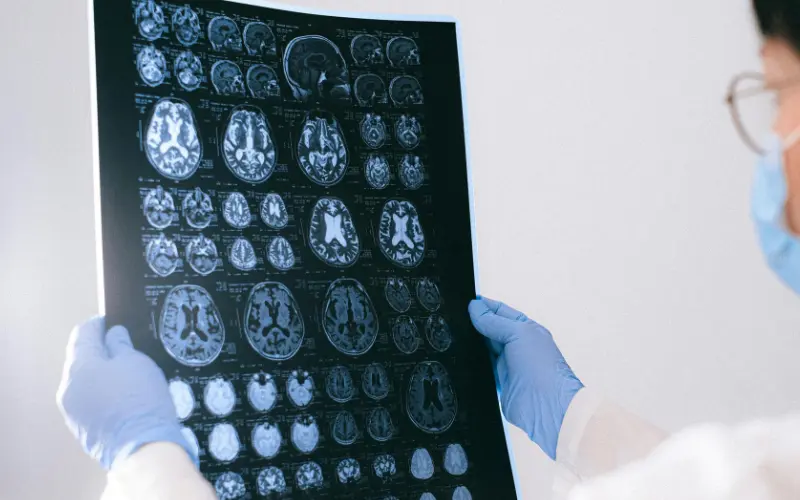
A brain haemorrhage means bleeding in or around the brain. That bleeding creates pressure inside the skull, and that pressure can start damaging brain tissue very quickly.
This is why brain haemorrhage is so serious.
The brain sits in a fixed space. There is no extra room for swelling or internal bleeding. So when bleeding starts, the problem is not just blood loss; it is also pressure, inflammation, and the risk of damage to critical functions like speech, movement, memory, breathing, and consciousness.
Not every bad headache is a brain haemorrhage. Not every dizzy spell is an emergency. But when symptoms are sudden, severe, or paired with weakness, confusion, collapse, seizures, or slurred speech, families should stop guessing and seek urgent medical care.
Early Signs You Should Never Ignore
Common symptoms families notice first
In real life, the first signs are often noticed by a spouse, parent, sibling, or child; not by the patient themselves. The person may say they have the worst headache of their life, or they may suddenly become slow, blank, weak, or hard to understand.
Common warning signs include:
- Sudden severe headache
- Repeated vomiting
- Weakness or numbness on one side of the body
- Slurred speech or trouble speaking
- Confusion or unusual drowsiness
- Loss of balance or difficulty walking
- Seizures
- Fainting or reduced consciousness
- Sudden vision problems
These symptoms do not always mean a brain haemorrhage, but they always deserve medical attention when they appear suddenly and strongly.
Signs that mean it is an emergency right now
Some signs should remove all doubt.
If the patient becomes unconscious, starts having seizures, cannot speak, cannot move properly, collapses suddenly, or keeps worsening over minutes or hours, this is an emergency. Do not wait for advice from relatives. Do not search for home remedies. Do not assume sleep will fix it.
That delay can cost precious time.
What To Do Before Reaching the Hospital

Families often ask me what they should do in the first few minutes. The answer is simple: focus on safe, fast transfer to medical care.
Here is what I recommend:
- Take the patient for urgent medical evaluation immediately.
- Keep the patient as calm and as still as possible.
- If they are drowsy or vomiting, keep them in a safe position so they do not choke.
- Do not give random medicines unless a doctor has advised them.
- Do not rely on massage, home remedies, oils, or “wait and see” advice.
- Do not let the patient drive themselves.
What matters most is reaching a hospital where the patient can be assessed quickly and, if needed, seen by a specialist.
Brain Haemorrhage Treatment in Nawanshahr: How Care Usually Happens
When families search for brain haemorrhage treatment in Nawanshahr, what they really want is clarity. They want to know what will happen after they reach the hospital and whether the condition can actually be treated.
In most cases, treatment begins with emergency assessment. The team checks the patient’s airway, breathing, blood pressure, pulse, and neurological status. Brain imaging; usually a CT scan; is often one of the most important early steps because it helps us confirm whether there is bleeding, where it is located, and how severe it is.
From there, treatment depends on the scan findings and the patient’s condition.
A patient may need:
- Close monitoring in an emergency or ICU setting
- Blood pressure control
- Medicines to reduce complications such as seizures
- Support for breathing or consciousness if the patient is unstable
- Repeat brain scans to monitor the bleed
- Specialist neurosurgical evaluation to decide whether surgery is needed
The important thing to understand is this: not every patient needs the same treatment. Brain haemorrhage care is highly individualized.
When medicines and close monitoring may be enough
Some brain haemorrhages can be managed without immediate surgery. If the bleeding is smaller, pressure is controlled, and the patient is neurologically stable, the team may focus on monitoring, medicines, supportive care, repeat scans, and observation.
But “no surgery” does not mean “not serious.”
These patients still need careful medical supervision because bleeding can evolve, swelling can increase, and the patient’s condition can change.
When surgery may be needed
In other cases, surgery becomes part of treatment. This may happen when the bleed is large, pressure inside the brain is rising, there is worsening weakness or consciousness, or the underlying cause requires an intervention.
Families are often frightened by the word surgery. I understand that. But when surgery is recommended, it is usually because the risk of doing nothing is greater.
The goal is not to be aggressive for the sake of it. The goal is to protect the brain and give the patient the best possible chance.
Why Fast Specialist Care Matters

With brain haemorrhage, time changes outcomes.
The earlier the patient is evaluated, the sooner the team can identify the bleed, control avoidable complications, and decide on the right treatment plan. Delays can increase the risk of worsening pressure, deeper brain injury, longer recovery, and more lasting disability.
This is why I strongly advise families not to depend on general internet advice when symptoms are urgent. Online information can help you understand the condition, but it cannot examine the patient, read a CT scan, or decide whether the brain is under dangerous pressure.
That decision needs expert medical judgment.
What Recovery Can Look Like After a Brain Haemorrhage

One of the first questions families ask after the emergency phase is: “Will the patient recover?”
The honest answer is that recovery depends on many factors, including the size and location of the bleed, how quickly treatment started, the patient’s age, other health conditions, and whether complications developed.
Some patients recover very well. Others need a longer journey.
Recovery may involve:
- ICU or hospital monitoring for the early phase
- Medicines and follow-up scans
- Physiotherapy for strength and movement
- Speech therapy if speech or swallowing is affected
- Help with balance, walking, or daily activities
- Family support during rehabilitation and follow-up care
I always tell families not to judge recovery too early. The first few days are important, but improvement often continues over weeks and months. Good treatment is not only about surviving the emergency. It is also about giving the patient the best chance at function, dignity, and quality of life afterward.
How To Reduce the Risk of Future Emergencies

Not every brain haemorrhage can be prevented, but some risk factors can be managed much better than most people realize.
For many patients, the long-term focus includes:
- Controlling high blood pressure consistently
- Managing diabetes and other chronic conditions
- Taking medicines exactly as advised
- Avoiding smoking and limiting alcohol
- Following up on persistent neurological symptoms instead of ignoring them
- Returning for medical review when advised
I also believe strongly in preventive health habits. Regular health checkups such as a full body checkup every 6 months when appropriate can help identify uncontrolled blood pressure, diabetes, and other silent risks before they lead to bigger emergencies.
Prevention is quieter than emergency treatment.
But it matters just as much.
When To Consult a Specialist Instead of Waiting

Families often lose time because they are hoping symptoms will settle or because someone nearby tells them not to panic. I understand the instinct. Nobody wants to overreact.
But if symptoms suggest brain bleeding, the safer mistake is to get checked early not late.
Consult a specialist urgently if there is sudden severe headache, one-sided weakness, speech trouble, seizures, fainting, unusual drowsiness, or any fast neurological decline. Even if the patient becomes slightly better for a short time, that does not rule out a serious problem.
If you are in Nawanshahr and facing these symptoms, it is far better to seek specialist-led evaluation quickly than to rely on uncertainty, online guesses, or family assumptions.
Frequently Asked Questions:
1. Can a brain haemorrhage be treated without surgery?
Yes, some cases can be treated without surgery. The decision depends on the size of the bleed, its location, the amount of pressure it is causing, and the patient’s overall neurological condition.
If the patient is stable and the bleed can be monitored safely, medicines, observation, blood pressure control, and repeat scans may be enough. But that decision should only be made after proper hospital evaluation and brain imaging.
2. How do I know if a severe headache is serious enough for emergency care?
A severe headache becomes more concerning when it is sudden, unusual, and paired with vomiting, weakness, confusion, slurred speech, seizures, fainting, or vision changes.
If the headache feels dramatically different from the person’s usual headaches, especially if it appears out of nowhere, do not ignore it. It is safer to get urgent medical assessment than to assume it is stress, gas, migraine, or lack of sleep.
3. How soon should treatment start after symptoms begin?
As soon as possible.
With a suspected brain haemorrhage, families should not wait to see if the patient improves over a few hours. Early diagnosis allows doctors to control complications faster and decide quickly whether monitoring or surgery is needed.
In neurological emergencies, lost time can become lost brain function.
4. Can a patient recover fully after a brain haemorrhage?
Some patients do recover very well, especially when diagnosis and treatment happen quickly. Others may need prolonged rehabilitation or continue to have weakness, speech problems, or other neurological effects.
The outcome depends on the severity of the bleed, the part of the brain involved, the patient’s general health, and how fast treatment begins. That is why fast action matters so much.
5. Should we rely on home remedies or wait for symptoms to settle?
No. That is one of the biggest mistakes families make.
Home remedies cannot stop bleeding inside the brain. Waiting for symptoms to settle can delay diagnosis and treatment during the most critical window. If the signs suggest a brain haemorrhage, the priority should be urgent medical evaluation; not experimentation.
Struggling with same?
Book Your Appointment With Our Expert Doctors

Final Thoughts
A brain haemorrhage is frightening, but panic is not the plan; timely action is. If you or someone in your family develops warning signs, the safest next step is fast specialist evaluation, not guesswork. With the right care, some of the most dangerous consequences can be addressed early, and that can make a real difference. If symptoms are serious or sudden, consult a specialist promptly and let medical judgment; not uncertainty; guide the next move.