
Burn Injuries in Summer: 5 First Aid Steps to Treat Them Fast!
REVIEWED BY DR. SHOKET ALI (MD MEDICINE) on 12th December 2025.
You just spilled hot chai on your hand, or maybe your child touched a sizzling car seat. What do you do next? If your first instinct is to grab toothpaste or ice, stop. You’re not alone, but you’re also not helping.
Every summer, thousands end up with worsened burn injuries, not because the burn was too severe, but because the first aid was wrong.
The real danger? It’s not just the burn. It’s the myths, the delays, and the guesswork that follow.
In this article, I’ll walk you through 5 medically approved first aid steps to treat burn injuries fast and right before they turn into scars, infections, or Hospital visits. Whether it’s a kitchen mishap, sunburn, or a backyard accident, you’ll know exactly what to do (and what to avoid).
Why Burn Injuries Spike in Summer
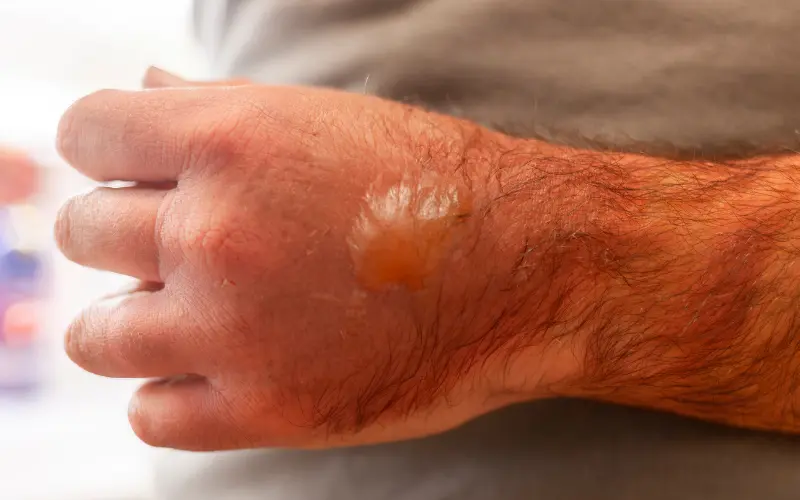
Summer feels like the season of freedom, bare feet, backyard BBQs, vacations, but it’s also a silent setup for more burn injuries than any other time of year.
Here’s why:
- Exposed skin is everywhere. Sleeveless shirts, shorts, and sandals mean your skin is vulnerable. A hot bike seat, scalding water pipe, or even direct sunlight can cause serious damage.
- Dehydrated and sensitive skin. In summer, your skin loses moisture fast. Drier skin is more prone to burns and slower to heal.
- More outdoor cooking sessions. Grills, bonfires, and even hot oil during picnics increase the chances of accidental burns.
- Increased sun exposure. Sunburn is one of the most underestimated first-degree burns. It quietly damages skin layers and can escalate quickly if ignored.
- Metal objects heat up extremely fast. Door handles, car seats, and seatbelts become burn hazards within minutes in 40°C plus temperatures.
The worst part is that people often ignore these because they seem minor. But even a small summer burn, if treated improperly, can lead to infection or permanent scarring.
The 3 Types of Burns and How to Identify Them Fast
Not all burns are created equal. Some sting for a day, others can damage nerves, muscles, and even bones. Knowing which type of burn you’re dealing with is the first step to treating it right and not making it worse.
1. First-Degree Burns (Superficial Burns)

These are the most common and least severe. Think of mild sunburns or touching a hot utensil briefly.
How to identify:
- Red, dry skin without blisters
- Mild swelling and pain
- Heals in 3 to 7 days without scarring
Common examples:
Sunburns, brief contact with hot surfaces, and minor scalds from cooking.
2. Second-Degree Burns (Partial-Thickness Burns)
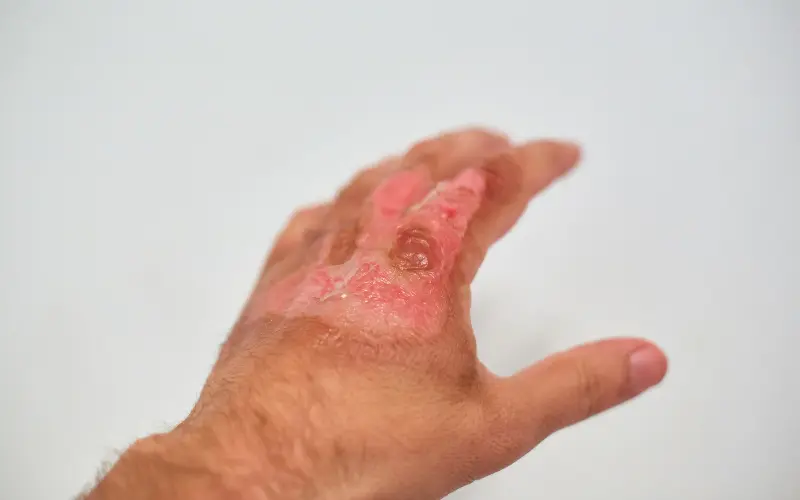
These affect deeper skin layers and are much more painful.
How to identify:
- Blisters, redness, and moist-looking skin
- Swelling and intense pain
- Healing can take 2 to 3 weeks and may leave scars
Common examples:
Hot oil splashes, boiling water spills, prolonged contact with hot metal or flames.
3. Third-Degree Burns (Full-Thickness Burns)
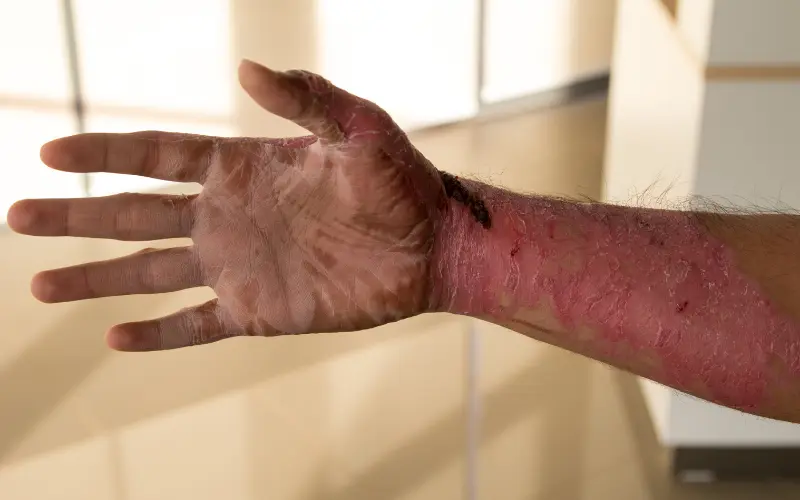
This is the most serious type and always requires medical attention.
How to identify:
- White, blackened, or charred skin
- Numbness (due to nerve damage)
- Skin may appear leathery or dry
Common examples:
Fire burns, chemical burns, electrical injuries, or prolonged exposure to boiling liquids.
Important:
Never try to treat second or third-degree burns at home. These require professional care to prevent infection, minimize damage, and support recovery.
Summer Burn Myths That Are Making Injuries Worse
When it comes to burn injuries, what you don’t know or worse, what you think you know, can actually make things worse. Every summer, we see patients who followed “advice” that did more harm than good.
Let’s bust some of the most dangerous myths.
Myth 1: Apply Toothpaste on Burns
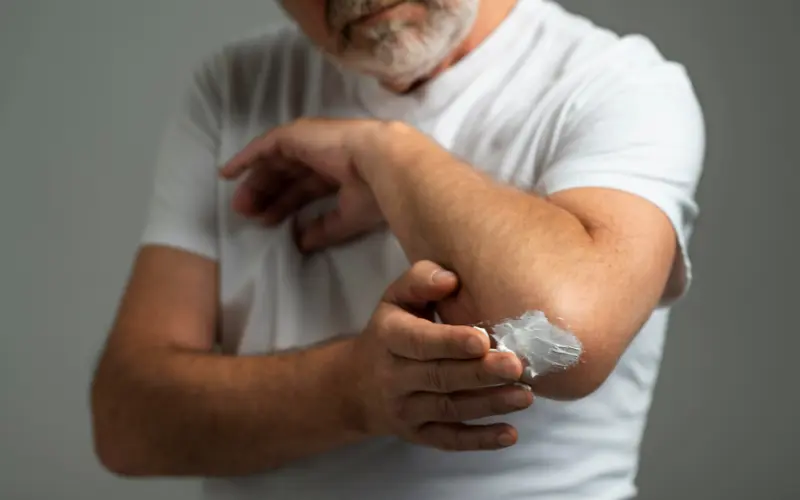
This one refuses to die. Toothpaste may feel cool, but it can trap heat inside the skin and lead to infections.
The truth: Never use toothpaste. It’s not sterile and contains ingredients that irritate damaged skin.
Myth 2: Put Ice Directly on a Burn
Ice can cause frostbite on already damaged tissue. It shocks the skin and slows down the healing process.
The truth: Use cool running water, not ice. Run it for 10 to 15 minutes to soothe and reduce inflammation.
Myth 3: Rub Ghee or Butter on Burns
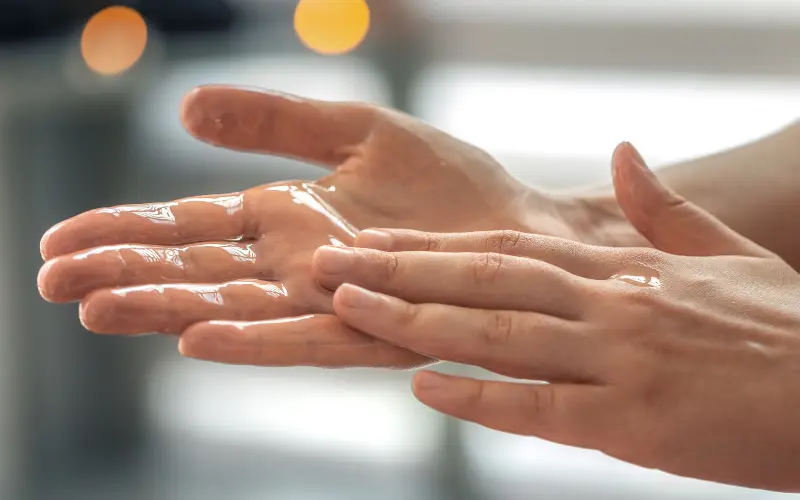
Ghee, butter, and oil seal the heat inside the skin, making the burn worse and inviting bacteria.
The truth: Keep the burn clean and dry. Only use sterile, doctor-approved ointments.
Myth 4: Popping Burn Blisters Helps Them Heal Faster
It might be tempting, but popping blisters exposes your skin to infection and delays recovery.
The truth: Let blisters heal on their own. If they burst, gently clean and cover with sterile gauze.
Myth 5: Burns Don’t Need a Doctor Unless They’re Huge
Many people underestimate how deep or dangerous even a small burn can be, especially on sensitive areas.
The truth: Burns on the face, hands, feet, or over joints, even if small, need medical evaluation.
First Aid for Burns (What Actually Works)
The first 10 minutes after a burn are absolutely critical. What you do or don’t do during this time can determine whether the injury heals cleanly or turns into a long-term problem.
Let’s get into what really works, based on real medical science.
Step 1: Cool the Burn Immediately
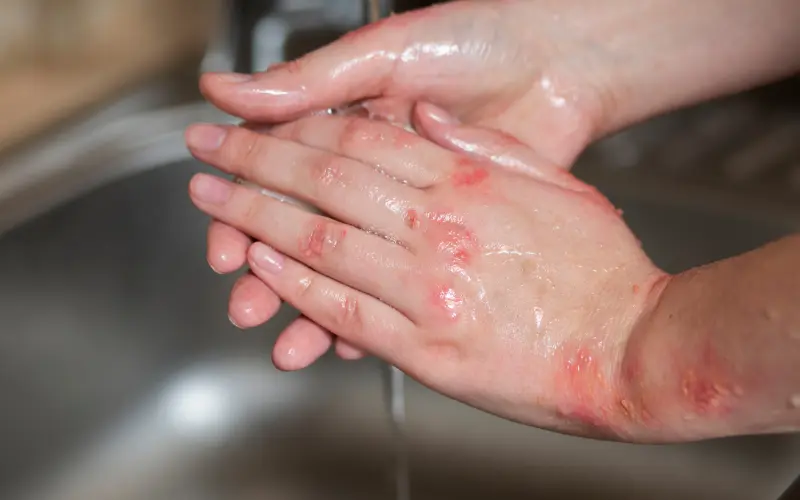
Run cool (not cold) water over the burn for at least 10 to 15 minutes. This stops the burning process and reduces inflammation.
Avoid: Ice, iced water, or soaking for too long. These can further damage skin tissues.
Step 2: Remove Any Tight Clothing or Jewelry
Burned skin swells quickly. Removing rings, bracelets, or tight clothing helps prevent circulation issues later.
Tip: Do this gently. Don’t try to peel off anything stuck to the skin; leave that to medical professionals.
Step 3: Cover the Burn With a Clean Cloth or Bandage
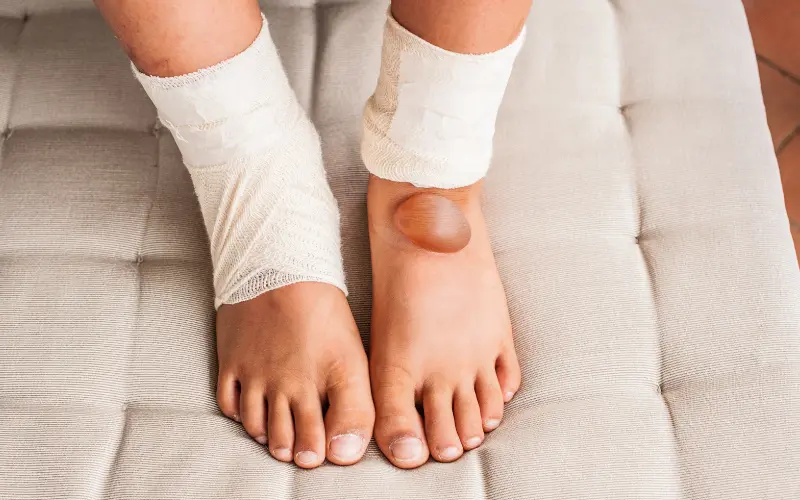
Use a sterile, non-fluffy cloth or gauze to loosely cover the area. This protects it from infection and reduces pain from air exposure.
Avoid: Cotton balls, fluffy fabric, or dirty towels.
Step 4: Use a Burn-Safe Ointment
Apply an antibiotic ointment like silver sulfadiazine or aloe vera gel designed for burns. These soothe the skin and help prevent infection.
Avoid: Home remedies like ghee, oil, turmeric paste, or toothpaste.
Step 5: Take Pain Relievers if Needed

Over-the-counter medications like paracetamol or ibuprofen can help manage the pain and reduce swelling.
Important: Always read dosage instructions and avoid self-medicating if the burn looks serious.
When to Go to the Hospital (Don’t Risk It)
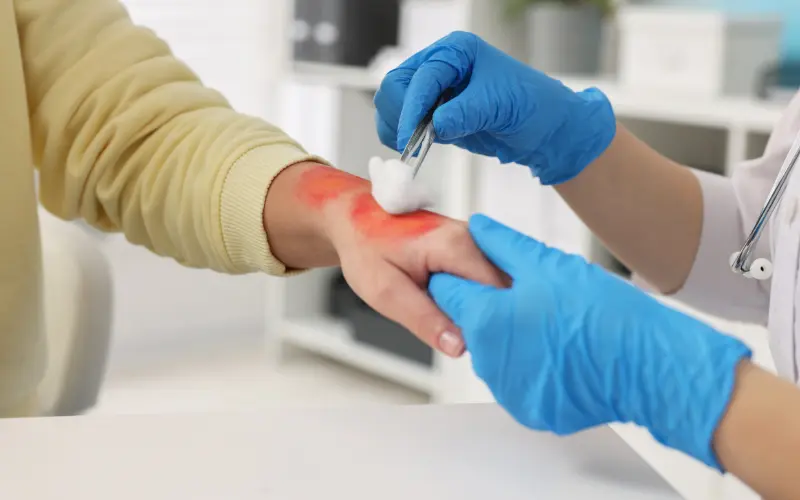
Many people wait too long to get medical help for burns, assuming “it’ll heal on its own.” But some burns, even if small in size, can be dangerous depending on their depth, location, and who they affect.
Here’s when you should stop guessing and see a doctor immediately:
1. Burns on Sensitive or High-Risk Areas
Burns on the face, hands, feet, groin, or over major joints require expert care. These areas have more nerve endings and are more prone to complications, stiffness, or permanent damage.
2. Burns Larger Than the Size of Your Palm
Even if it’s a first-degree burn, if the affected area is large, it puts you at risk of fluid loss, shock, and infection.
3. Blistering or Deep Burns (Second or Third-Degree)
If the skin looks white, leathery, deeply red, or if blisters are forming quickly, don’t delay. These burns need advanced dressings and possibly antibiotics or IV fluids.
4. Burns in Children or the Elderly
These age groups have more delicate skin and weaker immune systems. What seems mild in an adult can become serious fast in a child or senior.
5. Burns from Chemicals or Electricity
These are unpredictable. Even a small-looking injury can cause deep tissue damage or affect internal organs.
6. You Feel Dizziness, Nausea, or Breathing Issues
This could signal a severe reaction, inhalation burn, or shock. You need emergency care.
Long-Term Care for Burn Recovery
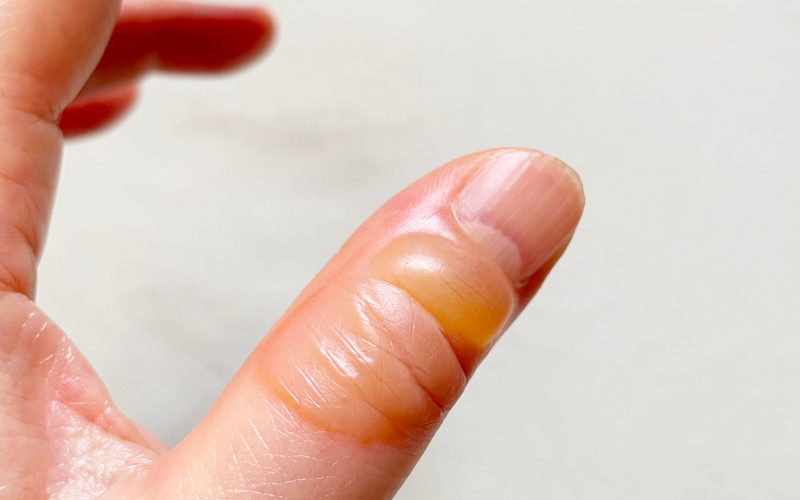
Treating a burn doesn’t end after the pain fades. Without proper aftercare, even minor burns can leave behind permanent scars, skin discoloration, or infections. Here’s how to help your skin heal fully and safely.
1. Keep the Area Clean and Moisturized
Use a mild, fragrance-free cleanser to wash the area gently. After cleaning, apply a doctor-recommended burn ointment or moisturizer to prevent the skin from drying and cracking.
Pro tip: Aloe vera gel or creams with vitamin E can help reduce scarring, but only after the wound has closed.
2. Protect from Sun Exposure
Burned skin is extremely sensitive to UV rays. Even minimal sun exposure can lead to hyperpigmentation and worsen the appearance of scars.
What to do: Keep the area covered or apply a high-SPF sunscreen (SPF 50+) once the skin starts healing.
3. Don’t Pick at Scabs or Blisters
Yes, it’s tempting. But removing scabs early slows down healing and increases the chances of scarring or infection.
4. Avoid Tight Clothing on the Burn Area
Let the skin breathe. Friction from tight or synthetic fabrics can irritate healing skin and lead to pigmentation or sensitivity.
5. Monitor for Signs of Infection
Redness that spreads, pus, unusual pain, or fever are all signs the wound may be infected. Don’t delay a check-up.
6. Consider Silicone Gel Sheets or Scar Creams
Once the wound has healed, using silicone gel sheets or dermatologist-approved scar creams can minimize long-term marks.
Frequently Asked Questions
1. Can I pop burn blisters at home?
No. Popping blisters increases the risk of infection and slows healing. If a blister bursts on its own, clean the area gently and cover it with a sterile bandage.
2. How long does it take for a burn to heal?
- First-degree burns: 3 to 7 days
- Second-degree burns: 2 to 3 weeks
- Third-degree burns: Several weeks or months, with possible medical intervention or surgery
3. Is aloe vera good for burns?
Yes, aloe vera gel can help soothe first-degree burns once the skin has cooled and is clean. Avoid using raw aloe directly from the plant unless properly sanitized.
4. Can I treat all burns at home?
No. Minor burns may be manageable at home, but burns that blister, cover large areas, or affect sensitive parts of the body should be seen by a doctor immediately.
5. What should I do if clothes catch fire?
Remember the rule: Stop, Drop, and Roll. Stop running, drop to the ground, and roll to extinguish flames. Cover the burn with a clean cloth and seek emergency help right away.
Struggling with same?
Book Your Appointment With Our Expert Doctors

Conclusion:
Burns can happen in seconds, but what you do in the minutes that follow can impact your recovery for weeks, even years.
Forget the myths. Ice, toothpaste, and ghee don’t belong anywhere near a burn. What does? Cool water, clean dressings, and timely medical advice.
Remember the 5 first aid steps, understand the burn types, and don’t wait if something feels off. Your skin will thank you for acting smart.
If you’re experiencing any of the above, don’t take chances. Visit Raja Hospital or call emergency services immediately. Whether it’s a child with sunburn blisters or an adult with an oil splash injury, Raja Hospital is equipped to handle it fast and right.
A few minutes can make the difference between full recovery and permanent damage.