
Elder-Care at Home: 11 Vital Signs You Should Never Ignore!

REVIEWED BY DR. SHOKET ALI (MD MEDICINE) on 27 december 2025.
Living with aging parents or grandparents? You already know it’s not always easy. One day, they seem fine. The next something feels off. But you’re not sure what to look for.
That’s the problem. Most of us miss the early signs. We think, “They’re just getting old,” and move on. But that small change in mood, appetite, or energy? It could be a red flag.
And catching it early could make a world of difference.
In this blog, I’ll walk you through 11 warning signs you should never ignore when caring for elders at home. Plus, I’ll cover the must-have medicines, important health tests, simple lifestyle tips, and daily habits that can help them stay healthy and help you feel less stressed. Let’s make elder-care simpler, safer, and a little less overwhelming.
Why Home-Based Elder Care Needs a Rethink

Most families believe that love and a little help around the house are enough. But when it comes to elder-care, “enough” often isn’t enough.
The truth is caring for seniors at home needs more than just good intentions. It needs awareness, planning, and constant observation.
Let’s be honest, aging is unpredictable. One week they’re active and smiling, the next week they’re avoiding food or forgetting things. These aren’t just quirks of old age; they could be signs of deeper health issues.
Home-based care needs a mindset shift.
- You can’t just wait for a serious issue to run to the hospital.
- You can’t assume they’ll tell you when something feels off.
- You can’t rely only on what worked for them a year ago
Elder-care today means creating a safe, predictable, and health-focused environment right at home. And that starts with knowing what to watch out for.
Next up, let’s look at the must-have medicines every home should stock when living with elders.
Must-Have Medicines for the Elderly at Home

You don’t need to turn your house into a pharmacy, but there are a few essential medicines that every home with elders should always have on hand. These aren’t just for emergencies — many of them support daily health and comfort.
1. Blood Pressure & Heart Health
- BP tablets (as prescribed)
- Aspirin or blood thinners (for heart patients, doctor-recommended only)
- Nitroglycerin (if advised, for angina)
2. Diabetes & Blood Sugar Control
- Insulin or sugar-control meds
- Glucose tablets or ORS (for low sugar emergencies)
3. Digestion & Stomach Care
- Antacids (for acidity, reflux)
- Laxatives or fiber supplements (constipation is common)
- Probiotics (to maintain gut health)
4. Pain & Inflammation
- Paracetamol or mild painkillers
- Topical pain relief creams or sprays
- Cold/Hot packs
5. Allergy & Respiratory Relief
- Antihistamines
- Cough syrups or inhalers (if required)
- Steam inhaler or vapor rub
6. First-Aid Essentials
- Band-aids, antiseptic cream, cotton, tape
- Digital thermometer
- BP monitor and blood sugar testing kit
Bonus Tip: Label everything clearly. Store medicines in a dry, easily accessible place but away from small children or forgetful elders. Recheck expiry dates every 3 months.
11 Vital Signs You Should Never Ignore
When you live with an aging loved one, you get used to certain patterns, their routines, moods, and habits. But what if something shifts and you don’t notice? That’s the danger.
Some symptoms look harmless. But for elders, even small changes can signal something serious. Here are 11 important signs you should never overlook:
1. Sudden Fatigue or Weakness

They’re suddenly not interested in daily walks or chores?
- Might indicate anemia, low BP, or thyroid issues
- It could be a side effect of the new medication
- Sometimes, a signal of infection or internal inflammation
2. Loss of Appetite or Weight
Food on the plate keeps getting left untouched?
- Could be linked to digestive problems or oral health
- Might signal depression or cognitive decline
- Sudden weight loss? It’s time for a checkup
3. Frequent Forgetfulness or Confusion

They forget names, repeat questions, or seem mentally foggy?
- May point to early dementia or Alzheimer’s
- It could be due to medication mix-ups
- Sometimes triggered by dehydration or lack of sleep
4. Change in Mood or Behavior
Not talking much? Getting angry without reason?
- Common in depression or emotional loneliness
- Can be signs of neurological shifts
- Watch out for social withdrawal
5. Trouble Walking or Frequent Falls

Limping? Slipping more than usual?
- May suggest weakened muscles or joint issues
- Can indicate poor vision or inner ear imbalance
- Always a red flag for risk of injury
6. Unusual Bruises or Bleeding
Bruises showing up without any major bumps?
- Possible side effects of blood thinners.
- It might signal a vitamin deficiency or a clotting disorder
- Watch for bleeding gums or nosebleeds, too.
7. Irregular Sleep Patterns
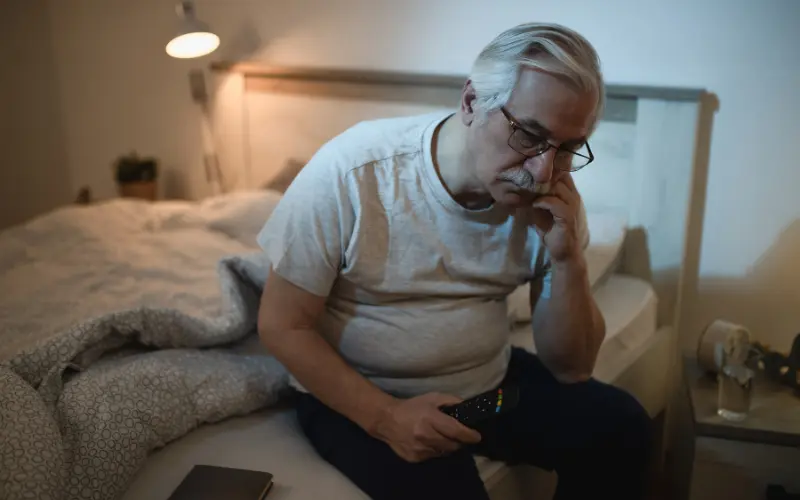
Waking up at odd hours or sleeping all day?
- Might be linked to anxiety, medications, or pain
- Could indicate depression or hormonal imbalance
- Disrupted sleep worsens memory and mood
8. Difficulty Speaking or Slurred Speech
Speech sounds off or slower?
- Often, an early sign of a stroke
- It could be triggered by infections or nerve damage
- Needs urgent medical review if it’s sudden
9. Shortness of Breath
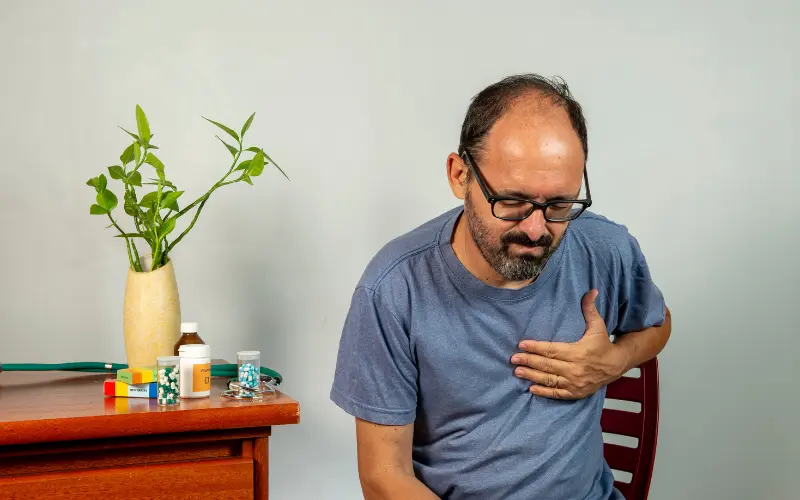
Struggling to walk a few steps without gasping?
- May indicate heart disease or lung congestion
- Could be related to fluid buildup
- Even without chest pain, it needs quick attention
10. Changes in Bathroom Habits
Going more often or not going enough?
- Frequent urination can hint at diabetes
- Constipation could be due to a poor diet or thyroid issues
- Incontinence is a signal worth discussing with a doctor
11. Swelling in Feet or Hands
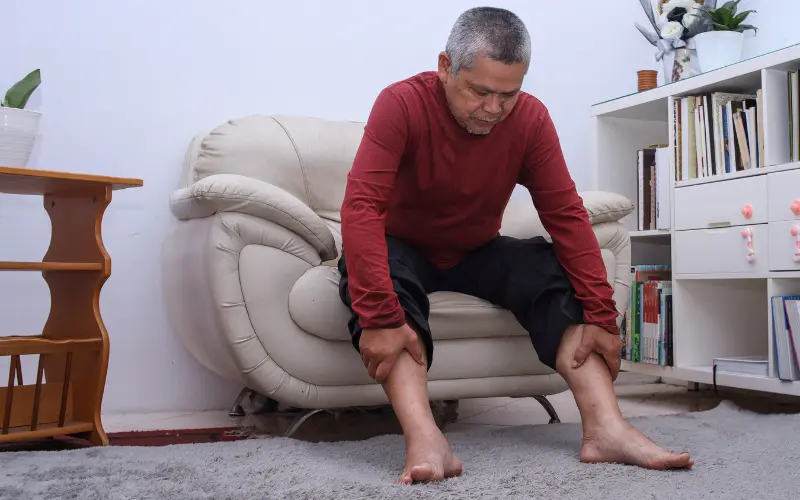
Shoes feel tighter? Ankles look puffed?
- Common in kidney or heart-related issues
- Might indicate poor circulation
- Don’t wait, swelling is never “normal”
These signs aren’t always dramatic, but they’re often the first signs your loved one’s health needs attention.
Important Tests After 50 (Your Annual Health Checklist)
After 50, the body starts changing faster than we notice. The immune system weakens, metabolism slows down, and hidden conditions can quietly build up. That’s why regular health tests aren’t optional; they’re essential.
Here’s a simple checklist of medical tests that every elder should get done at least once a year:
1. Blood Pressure (BP) Monitoring
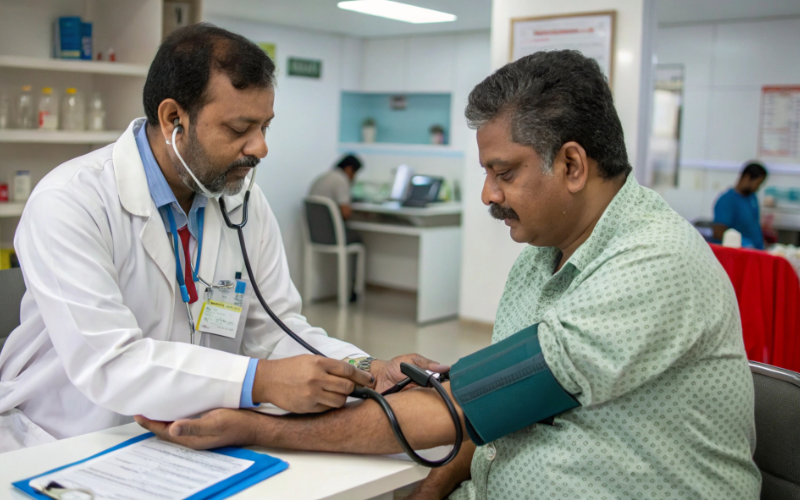
- Detects risk of heart attack, stroke, or kidney damage
- Ideal reading: around 120/80 mmHg
2. Blood Sugar (Fasting + HbA1c)
- Helps catch diabetes early
- HbA1c shows the 3-month average blood sugar level
3. Cholesterol Panel (Lipid Profile)
- Measures good & bad cholesterol levels
- Key to preventing heart disease and stroke
4. Kidney Function Test (KFT)
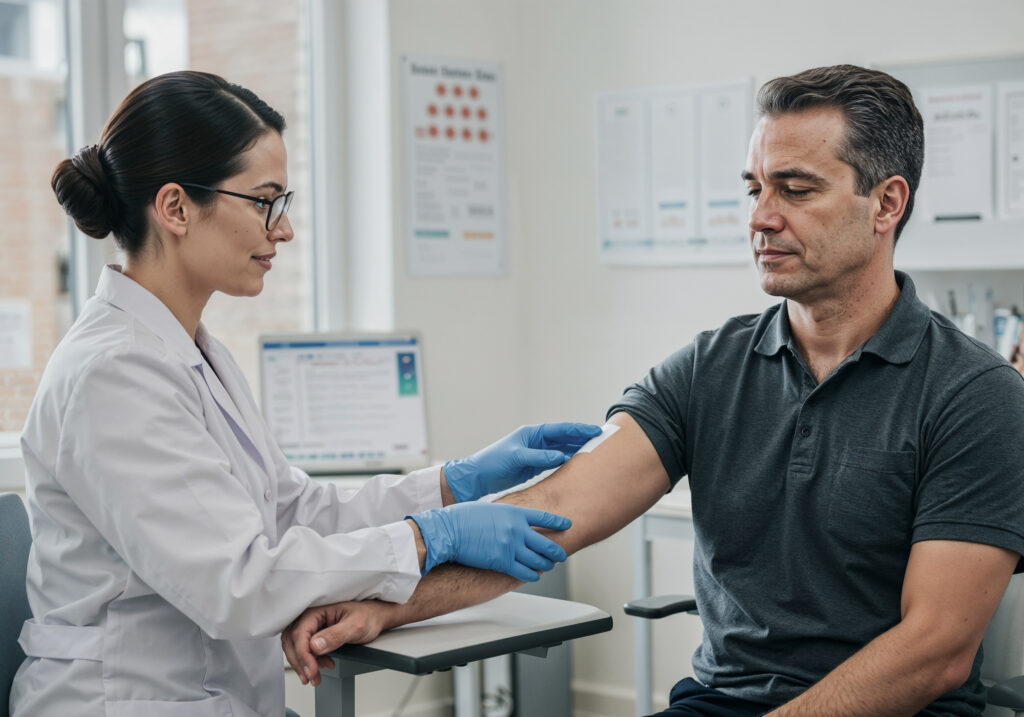
- Detects early signs of kidney stress or failure
- Especially crucial for diabetic or hypertensive elders
5. Liver Function Test (LFT)
- Identifies fatty liver, inflammation, or damage
- Important for those on long-term medications
6. ECG or ECHO (Heart Health Check)
- Monitors heart rhythm and structure
- Recommended yearly if there’s a history of heart problems
7. Bone Density Test (DEXA Scan)
- Checks for early signs of osteoporosis
- Vital for women over 50 and men over 60
8. Eye & Vision Test

- Screens for cataracts, glaucoma, and age-related vision loss
- Should be done annually
9. Hearing Test (Audiometry)
- Many seniors lose hearing gradually without realizing
- Affects communication and mental health
10. Dental Check-Up
- Prevents gum infections, tooth loss, and chewing issues
- Oral hygiene is closely linked to overall health
11. Mental Health Screening (Cognitive + Depression)
- Simple memory tests + mood evaluation
- Helps catch early dementia or chronic depression
Pro Tip: Mark a fixed month every year for a full-body checkup. Don’t wait for symptoms; let the numbers speak first.
Lifestyle Upgrades Every Elderly Person Needs

You don’t need to overhaul everything. But a few smart changes in daily habits can make life easier, healthier, and more enjoyable for your aging loved ones. Think of it as tuning the body and mind to work better, not just longer.
Daily Food Habits to Adopt
As we age, digestion slows down, nutritional needs shift, and the risk of deficiencies increases. The right food can act like daily medicine.
- Eat smaller, more frequent meals to avoid bloating and maintain energy.
- Include fiber-rich foods like oats, fruits, and vegetables to prevent constipation.
- Cut down on salt and sugar, especially if there’s a history of high blood pressure or diabetes.
- Boost protein intake with lentils, eggs, paneer, or lean meats for muscle strength.
- Stay hydrated even if they don’t feel thirsty often.
Avoid raw salads at night, heavy curries, and processed snacks.
Gentle Yet Effective Exercises
No need for intense workouts, consistency is the real game-changer.
- Morning walks (15–30 minutes) help with heart health, joint mobility, and mood.
- Stretching or chair yoga improves flexibility and balance.
- Light resistance exercises can reduce muscle loss and support bone strength.
Always consult a doctor before starting any new physical routine.
Supplements That Make a Real Difference
Even a balanced diet might not meet all nutritional needs after 50. Some common supplements to consider (only with medical advice):
- Vitamin D3 for stronger bones and better immunity
- Vitamin B12 to support nerves and boost energy
- Calcium to reduce fracture risk and maintain bone health
- Omega-3 (fish oil or plant-based) for heart, brain, and joint function
- Probiotics to support digestion and immune strength
While natural food is ideal, supplements help fill the gaps when needed.
These small but consistent changes can help elders maintain independence, improve their quality of life, and stay active for years to come.
A Simple Daily Routine That Adds Years to Life
When it comes to elderly health, routine isn’t boring; it’s life-saving. A predictable daily structure helps regulate sleep, digestion, mood, and medication schedules. It also gives your loved ones a sense of stability and control, which is often missing as they age.
Here’s a sample daily routine that you can adapt based on their preferences and health needs:
A Simple Daily Routine That Adds Years to Life
| Time | Activity |
| 6:30 – 7:00 AM | Wake up, light stretching or walk, lukewarm water with soaked almonds |
| 7:30 – 8:00 AM | Breakfast (oats, poha, upma), take prescribed medications |
| 9:00 – 10:00 AM | Light activity (reading, gardening, sunlight exposure) |
| 11:00 AM | Mid-morning snack (fruit or nuts) |
| 1:00 PM | Lunch (dal, rice/roti, vegetables, curd), mild seasoning, rest after meal |
| 3:00 – 4:00 PM | Leisure time (puzzles, music, conversations, light TV) |
| 5:00 PM | Evening snack (herbal tea, milk, light snack), short walk (optional) |
| 7:00 – 7:30 PM | Dinner (light, easy-to-digest food; avoid fried or raw items) |
| 8:30 – 9:00 PM | Wind-down time (meditation, devotional music, bedtime prep) |
| 9:30 – 10:00 PM | Sleep |
This routine keeps their energy balanced, digestion steady, and mind calm, all without overwhelming their body or disrupting medications.
Mental & Emotional Wellness of Elders
Physical health gets most of the attention, but it’s often the emotional and mental health that quietly suffers in older adults. And here’s the truth: even if they don’t say it out loud, many elders feel lonely, ignored, or anxious. That emotional weight can slowly impact their sleep, appetite, immunity, and overall well-being.
Let’s look at what to watch for and what you can do to help.
Common Emotional Warning Signs
- They become unusually quiet or withdrawn
- Mood swings, irritation, or sadness without any clear reason
- Loss of interest in activities they once enjoyed
- Sleep troubles or sudden loss of appetite
- Talking about being “a burden” or “useless”
Simple Ways to Support Their Mental Health
1. Talk More Even If They Don’t Initiate: Sometimes, all they need is someone to listen. Make time every day for casual, pressure-free conversations.
2. Give Them a Role: Involve them in light household decisions or tasks. Asking for advice makes them feel valued, not sidelined.
3. Reconnect Them With Friends or Family: Encourage calls, visits, or even video chats. Social interaction is fuel for emotional well-being.
4. Keep Their Mind Active: Reading, puzzles, music, religious or cultural engagement, anything that keeps the brain engaged and spirits high.
5. Create Small Joys: Take them out for a short drive. Buy their favorite snack. Watch a show together. These little things go a long way.
6. Watch Out for Depression: If signs persist, don’t hesitate to speak to a doctor. Senior depression is more common than people think and is very treatable.
Good elder care isn’t just about medicines and meals; it’s about making them feel safe, seen, and still significant.
When It’s Time to Call a Doctor (Don’t Wait It Out)

Most families hesitate. They wait a little longer, hoping things will get better. But with elders, a delay can turn a manageable issue into an emergency. That’s why knowing when to seek medical help is just as important as daily care.
Here’s how to draw the line between “keep an eye on it” and “call the doctor now.”
Situations That Need Immediate Medical Attention
- Sudden chest pain or pressure, even if mild
- Difficulty speaking, understanding, or sudden confusion
- Severe headaches or dizziness
- Unusual bleeding or bruising without injury
- High fever that doesn’t respond to medicine
- Rapid heartbeat or breathlessness at rest
- Any kind of fall followed by pain or disorientation
Less Obvious But Still Important Signs
- Ongoing fatigue with no clear reason
- Unexplained weight loss or appetite drop
- Memory issues that are getting worse
- Behavioral changes that are new or persistent
- Regularly skipping medicines or meals
- Trouble sleeping or sleeping all day
Make Doctor Visits a Routine, Not a Reaction
- Set a monthly or quarterly check-in with a physician
- Get blood work done every 6–12 months
- Keep a notebook or app to track symptoms and meds
You don’t need to panic at every small issue. But you do need to stop guessing. If something feels off, trust your instincts and book that appointment.
Frequently Asked Questions
1. How do I start caring for my aging parents at home?
Start by observing their daily habits, organizing their medications, creating a fixed routine, and scheduling regular health checkups. Focus on both physical and emotional needs.
2. What medicines should always be kept at home for elders?
Basic medicines for blood pressure, diabetes, digestion, pain relief, and first-aid are essential. Always consult a doctor before adding or adjusting any medication.
3. Which health tests are most important after 50?
Blood pressure, blood sugar, cholesterol, kidney and liver function tests, ECG, bone density, eye, hearing, and dental checkups should be done annually.
4. How can I support my parents’ mental and emotional well-being?
Spend time talking to them, involve them in small decisions, keep their minds engaged, and encourage social interaction. Watch for signs of depression or isolation.
5. Can home care fully replace hospital visits?
Not completely. Daily care at home is vital, but regular doctor consultations and annual tests are non-negotiable to catch issues early and manage chronic conditions properly.
Struggling with same?
Book Your Appointment With Our Expert Doctors

Conclusion:
Caring for elders at home means more than just being there; it’s about knowing what to watch for, what medicines to keep, what tests matter after 50, and how to support their physical and emotional well-being every single day.
Small signs like fatigue, forgetfulness, or appetite loss can often be early warnings, not just part of aging. A good daily routine, proper diet, basic supplements, and regular health checkups can make a huge difference in how comfortably and confidently they live.
If you’re unsure where to start or need professional support, book a consultation with Raja Hospital, and let’s make elder care easier and safer together.