
Fatty Liver: 7 Warning Signs You Shouldn’t Ignore!

REVIEWED BY DR. SHOKET ALI (MD MEDICINE) on 9th january 2026.
You’re not lazy. You’re not just tired. But if you’ve been brushing off that constant fatigue, dull pain on the right side of your belly, or waking up feeling bloated, your liver might be waving a red flag.
Here’s what most people don’t realize: Fatty liver isn’t just a lifestyle disease anymore. It’s a silent epidemic. It sneaks in with no symptoms, quietly piling on fat in your liver until one day, your blood tests light up like a Christmas tree.
As someone who has worked with numerous clients and hospitals over the years, I’ve seen one pattern repeat again and again: people wait too long. They only act when it’s almost too late.
This article isn’t about scaring you. It’s about equipping you with the awareness you need to take control before fatty liver becomes a serious threat. From the stages to watch out for, the tests you should ask your doctor for, to the exact habits that worsen it, I’ll break it all down for you.
What is Fatty Liver (And Why You Should Care Now, Not Later)
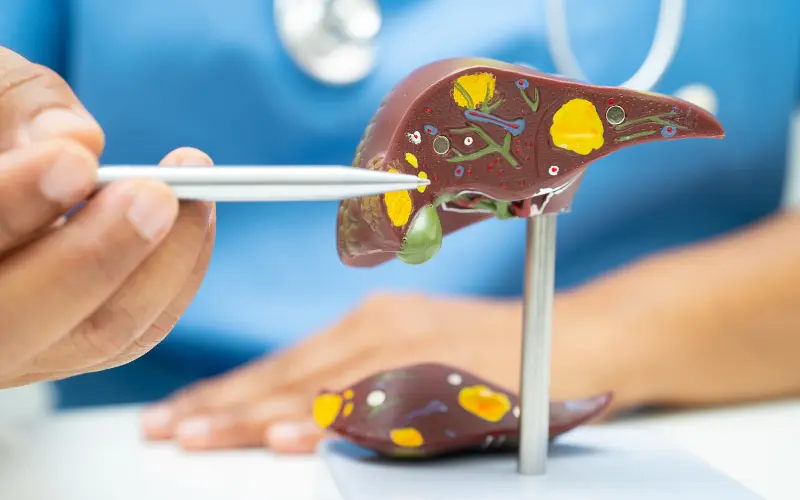
Let’s cut the confusion first, fatty liver isn’t just an alcohol problem. In fact, more than 1 in 3 people with fatty liver have never touched alcohol. This condition, called Non-Alcoholic Fatty Liver Disease (NAFLD), is now one of the fastest-rising liver disorders globally.
So what exactly happens?
Your liver, which is supposed to filter toxins and support digestion, starts storing fat inside its cells. Initially, it might seem harmless. But over time, this buildup leads to inflammation, scarring, and eventually liver failure if left unchecked.
There are two main types of fatty liver:
1. Alcoholic Fatty Liver Disease (AFLD)
- Caused by excessive alcohol consumption
- Can progress to alcoholic hepatitis and cirrhosis
2. Non-Alcoholic Fatty Liver Disease (NAFLD)
- Triggered by poor diet, obesity, diabetes, sedentary lifestyle
- It’s reversible, but only with early action
Why should you care now?

Because fatty liver is mostly symptomless in its early stages, and that’s what makes it dangerous. Most people find out by accident during a routine ultrasound or blood test. By the time symptoms appear, it’s already progressed.
“But I eat healthy!” I hear this often. But the truth is, even fit-looking people can have a fatty liver if their diet includes high sugar, low fiber, or they’re chronically stressed or sleep-deprived.
You don’t have to panic, but you do need to pay attention.
Stage-Wise Breakdown of Fatty Liver
Understanding the progression of fatty liver is the key to stopping it before it turns dangerous. Just like any chronic condition, fatty liver moves through stages, and each stage has its own warning signs and risks.
Stage 1: Simple Fat Accumulation (Steatosis)
- At this point, fat begins to build up in liver cells.
- There’s usually no inflammation or damage yet, which is why symptoms are silent.
- Most people are unaware they even have it, unless it’s detected in a scan or routine test.
Good news: This stage is completely reversible.
Stage 2: Non-Alcoholic Steatohepatitis (NASH)
- The liver becomes inflamed due to fat accumulation.
- Inflammation can start damaging liver cells.
- You may feel fatigue, mild abdominal discomfort, or bloating.
Now the liver is under stress, and the damage has begun.
Stage 3: Fibrosis
- Scarring develops as a result of continuous inflammation.
- The liver still functions, but the healthy tissue is slowly being replaced by scar tissue.
- This stage often flies under the radar, but liver function tests may start showing irregularities.
Time is critical here to stop the damage from going further.
Stage 4: Cirrhosis
- Extensive scarring takes over, severely affecting liver function.
- This is an irreversible stage and can lead to liver failure or liver cancer.
- Symptoms may include jaundice, fluid buildup, confusion, or even internal bleeding.
- At this point, medical intervention is urgent and long-term.
Here’s the catch: Many people jump from Stage 1 to Stage 3 without even knowing. That’s why understanding these stages matters, so you can act while it’s still reversible.
Early Symptoms Most People Ignore
Fatty liver is sneaky. In the early stages, it doesn’t knock on your door with pain or warning signs. Instead, it shows up with subtle, everyday issues that are easy to dismiss or blame on a busy lifestyle.
Here’s what I often hear from people who were later diagnosed:
- “I just feel tired all the time, but I thought it was stress.”
- “There’s a weird heaviness on my right side, but I ignored it.”
- “I feel bloated after meals, but I assumed it’s just gas.”
Let’s break down the early symptoms you should stop brushing off:
1. Unexplained fatigue

If you’re constantly tired, even after a full night’s sleep, your liver might not be processing nutrients and toxins efficiently.
2. Mild pain or discomfort in the upper right abdomen
Your liver sits on the right side of your belly, just below the rib cage. Any consistent dull ache in that area is worth paying attention to.
3. Bloating and indigestion

Fatty liver can disrupt your digestion and metabolism, leading to discomfort, sluggishness after meals, or frequent acidity.
4. Dark patches on skin (especially around the neck or underarms)
This is called acanthosis nigricans and is often linked to insulin resistance, a common trigger for fatty liver.
5. Brain fog and mood changes

When your liver can’t detox properly, it affects brain function too. You may feel unusually forgetful, irritable, or foggy.
6. Unexplained weight gain (especially around the belly)
Even if your diet hasn’t changed, a slow metabolism and insulin resistance tied to fatty liver can make it easier to gain weight and harder to lose it.
7. Elevated liver enzymes in blood tests

Sometimes the only clue is your bloodwork. If your ALT or AST levels are high, don’t ignore it, even if you feel fine.
The scary part? Most people don’t associate these symptoms with liver health. That’s why getting tested at the right time can be a game-changer.
Habits That Quietly Damage Your Liver Every Day
You don’t have to be an alcoholic or live off junk food to develop fatty liver. In fact, some of the most “normal” habits can silently overload your liver over time. The problem? These are part of most people’s daily routines.
Here are the top liver-damaging habits that slip under the radar:
1. High-sugar diets (especially hidden sugars)

Sugar is one of the biggest culprits. Not just sweets, but hidden sugars in processed foods, flavored yogurts, cereals, packaged snacks, and even sauces can spike insulin and turn into fat in the liver.
2. Too many refined carbs
White bread, pasta, biscuits, and rice may feel harmless, but when eaten frequently, they cause blood sugar spikes and fat storage in the liver.
3. Lack of movement

A sedentary lifestyle means fewer calories burned and more fat stored. Sitting for long hours every day directly increases your risk of NAFLD (Non-Alcoholic Fatty Liver Disease).
4. Overuse of medications
Many painkillers (especially paracetamol) and antibiotics are metabolized by the liver. Long-term or excessive use can stress the liver and interfere with its functions.
5. Chronic stress

Cortisol, the stress hormone, can mess with your blood sugar and fat metabolism. When you’re constantly stressed, your liver ends up paying the price.
6. Poor sleep quality
Studies have shown a strong link between sleep disorders and fatty liver. Less than 6 hours of sleep per night? You’re making it harder for your liver to recover and regenerate.
7. Skipping meals or eating too late

Irregular meal timing disrupts your metabolism. Eating heavy meals late at night forces your liver to work overtime while your body is supposed to rest.
These aren’t massive lifestyle sins, but over time, they create the perfect storm for fat to accumulate in your liver.
Now that we know the hidden enemies, let’s talk about how to test your liver and catch issues before they progress.
Required Tests for Fatty Liver Detection

The problem with fatty liver? It’s a silent operator. By the time symptoms are obvious, real damage may already be done. That’s why screening is critical, especially if you have risk factors like obesity, diabetes, PCOS, or a family history of liver issues.
Here are the key tests doctors use to detect and assess fatty liver:
1. Liver Function Tests (LFTs)
This blood test checks levels of enzymes like ALT, AST, ALP, and bilirubin. Elevated levels can indicate liver inflammation or damage.
Note: Normal LFTs don’t always mean your liver is fine; some people with early fatty liver have normal enzyme levels.
2. Ultrasound Abdomen
A standard abdominal ultrasound is often the first imaging tool used. It shows fat buildup and changes in liver texture.
It’s quick, painless, and highly effective at spotting fatty infiltration.
3. FibroScan (Transient Elastography)
A non-invasive test that measures liver stiffness. It helps determine if fibrosis (scarring) has started and how severe it is crucial for deciding whether treatment is urgent.
4. MRI or CT Scan
For more detailed imaging, especially in complex cases or when the ultrasound isn’t conclusive.
5. Liver Biopsy (Rare, but Gold Standard)
Used in severe or unclear cases to determine the extent of liver damage. It involves removing a small tissue sample under local anesthesia.
6. Blood Sugar and Lipid Profile
Fatty liver is often tied to insulin resistance and high cholesterol. These tests help assess metabolic health and underlying causes.
When should you get tested?
- If you’re constantly tired without reason
- If your belly is growing despite no diet change
- If you’ve been diagnosed with PCOS, diabetes, or high cholesterol
- If your doctor spots a mild elevation in liver enzymes
- If fatty liver runs in your family
Early testing isn’t just about diagnosis, it’s about prevention.
When to See a Doctor (And What They’ll Likely Do)

Let’s be honest. Most people try to manage everything with a few Google searches, a YouTube video, or by cutting sugar for a week. But when it comes to your liver, guesswork can be risky.
Here’s how to know it’s time to stop experimenting and see a doctor:
1. You’ve had consistent fatigue or abdominal discomfort for weeks
That nagging tiredness or dull ache near the right ribs isn’t just “overwork.” If it’s been more than two weeks, it needs professional evaluation.
2. Your blood reports show elevated liver enzymes
ALT, AST, or GGT levels above the normal range should never be ignored, even if they’re just slightly high. It’s often the first red flag.
3. You have risk factors like obesity, diabetes, thyroid, or PCOS
Fatty liver loves to hide behind other lifestyle conditions. If you have any of these, even without symptoms, get tested annually.
4. You’ve already been diagnosed with fatty liver and didn’t follow up
A common mistake. Fatty liver isn’t a one-time thing; it progresses silently. You need follow-ups, lifestyle changes, and possibly medical intervention.
5. Sudden yellowing of eyes or skin (Jaundice), swelling, confusion, or dark urine
These are late-stage warning signs and require an immediate hospital visit. They could indicate serious liver damage, cirrhosis, or even liver failure.
What will the doctor likely do?
- Order basic tests (LFT, ultrasound, lipid profile, sugar levels).
- Depending on results, recommend FibroScan or MRI.
- Guide you on diet, weight loss, medication (if needed), and lifestyle strategy.
- Set a 3 to 6-month review plan.
Fatty liver management isn’t just about what you eat; it’s about working with the right medical support. And the earlier you start, the better your outcome.
Can You Reverse Fatty Liver?

Here’s the hope you’ve been looking for: fatty liver is 100% reversible in its early stages. But, and it’s a big but, only if you catch it early and commit to real changes. Pills alone won’t fix this. You need to target the root causes: diet, activity, insulin resistance, and inflammation.
Let’s break down what actually works:
Food Chart: What to Eat & What to Ditch
Your liver loves simplicity and balance. Think clean, whole, anti-inflammatory foods.
Eat more of:
- Fresh vegetables (especially leafy greens, cruciferous veggies).
- Fruits like berries, papaya, avocado (limit bananas & mangoes).
- Whole grains (oats, brown rice, quinoa).
- Healthy fats: olive oil, nuts, seeds, fatty fish.
- Lean protein: eggs, chicken breast, lentils.
- Liver-friendly drinks: black coffee, green tea, lemon water.
Avoid or cut down:
- Sugar (especially fructose found in packaged food and sugary drinks).
- Refined carbs: white bread, bakery items, noodles, pizza.
- Fried or processed food.
- Alcohol, even occasional drinking, worsens fatty liver.
- Artificial sweeteners (they still mess with insulin response).
Pro Tip: Eat your dinner at least 2 to 3 hours before bedtime. It gives your liver time to reset overnight.
Daily Lifestyle Tweaks That Work
- Walk 7,000–10,000 steps a day. You don’t need a gym. Consistent walking reduces liver fat significantly.
- Intermittent fasting (if suitable). Helps improve insulin sensitivity and gives your liver a break.
- Sleep 7–8 hours. Your liver detoxes during deep sleep, especially between 11 p.m. and 3 a.m.
- Manage stress. Meditation, journaling, or even 10 minutes of silence can reduce cortisol, which impacts liver fat.
Natural Remedies: Worth It or Hype?
Some herbs and supplements do support liver health, but they’re not magic pills.
Common options people explore:
- Milk thistle (silymarin)
- Turmeric (curcumin)
- Amla (Vitamin C-rich)
- NAC (N-Acetyl Cysteine)
Important: Always check with your doctor before adding any supplement, especially if you’re on medication. Even natural stuff can interact badly.
Frequently Asked Questions:
1. Can fatty liver be cured completely?
Yes, if caught early, fatty liver can be completely reversed with diet changes, physical activity, and regular monitoring. However, once it progresses to cirrhosis, the damage is permanent and only manageable, not curable.
2. Is fatty liver dangerous?
In the early stages, it’s not immediately dangerous, but it can quietly lead to serious complications like liver fibrosis, cirrhosis, liver failure, or even cancer if ignored. Early diagnosis is crucial.
3. How fast can you reverse fatty liver naturally?
With consistent lifestyle changes, some people see improvements in as little as 3 to 6 months. Weight loss of just 5 to 10% of body weight has been shown to significantly reduce liver fat.
4. Does fatty liver cause pain?
Not always. Most people don’t feel pain in the early stages. However, some experience dull discomfort in the upper right abdomen. Sharp or persistent pain could indicate advanced liver issues and should be medically evaluated.
5. Who is most at risk of fatty liver?
People with obesity, type 2 diabetes, high cholesterol, thyroid issues, PCOS, or a poor diet are at higher risk. Even individuals with normal weight but poor metabolic health can develop fatty liver (known as “lean NAFLD”).
6. What is the best test to detect fatty liver?
A basic ultrasound is the most common first step. Liver function tests and a FibroScan may be recommended for more detail. In complex cases, MRI or liver biopsy may be used.
Struggling with same?
Book Your Appointment With Our Expert Doctors

Conclusion:
You now know what most people don’t fatty liver doesn’t scream for attention until it’s serious. But you have something powerful on your side: awareness.
From the stages to watch, symptoms you shouldn’t ignore, to everyday habits that either heal or harm, it’s all in your hands. And yes, reversing fatty liver is absolutely possible if you act early and stay consistent.
But here’s the final truth: you shouldn’t try to manage this alone. Guesswork and delay are the biggest enemies in liver care.
If you’re unsure about your symptoms, test results, or just want peace of mind, get a complete liver health consultation at Raja Hospital.
With the right diagnosis, expert advice, and a tailored treatment plan, you can protect your liver and your future. Book your appointment at Raja Hospital today. Your liver will thank you tomorrow.