
Fibroid Removal Surgery in Nawanshahr: Causes, Risks & Treatment!
REVIEWED BY Dr. Lakshita Saini (MBBS, MS Obs & Gynae) on 27 March 2026.
Honestly, most women have no idea they have fibroids until things start getting uncomfortable enough to notice.
It sneaks up on you. Your periods feel a little heavier than usual, there’s some mild cramping in your lower belly, or you find yourself running to the bathroom more often. Nothing that screams “go see a doctor,” right? So you brush it off. Weeks pass, then months, and what felt like just another annoying phase slowly turns into something that’s draining your energy, messing with your routine, and honestly, starting to worry you.
Here’s what I’ve seen working closely with healthcare campaigns over the years: Fibroids are way more common than most people realize, but hardly anyone talks about them. A lot of women put off seeing a doctor simply because they don’t connect the dots early enough, or they just assume it’s hormones doing their thing.
And that wait? It can sometimes lead to completely avoidable problems.
So in this guide, I want to sit down with you and walk you through everything that fibroids actually are, what causes them, the signs to watch out for, how they’re diagnosed, and what fibroid removal surgery in Nawanshahr looks like today. No scary medical jargon, no overwhelm. Just the information you need to feel confident about your next step.
What Are Uterine Fibroids?
If you’ve recently been told you might have fibroids, or if you’ve been experiencing unusual pelvic pain, heavy periods, or bloating that won’t go away, you’re not alone.
Millions of women across India deal with uterine fibroids every year, and a large number of them don’t even know they have them.
At Raja Hospital, Nawanshahr, we believe that awareness is the first step toward healing. So let’s talk about what fibroids actually are in plain, simple language.
Uterine fibroids are non-cancerous (benign) growths that develop in or around the uterus. Think of them as small lumps made of muscle and fibrous tissue. They can be as tiny as a pea or as large as a melon, and yes, some women have more than one at a time.
The good news? Fibroids are NOT cancer. They rarely turn into cancer. But they can cause significant discomfort, affect your quality of life, and in some cases, interfere with pregnancy. That’s why knowing about them matters.
Types of Fibroids Women Should Know
Fibroids are classified based on where they grow:
- Intramural Fibroids- The most common type. They grow within the muscular wall of the uterus.
- Subserosal Fibroids- These grow on the outer surface of the uterus, sometimes pushing against nearby organs like the bladder or bowel.
- Submucosal Fibroids- These develop just under the inner lining of the uterus and are often responsible for heavy bleeding.
- Pedunculated Fibroids- These are attached to the uterus by a stalk-like structure and can twist, causing sharp, sudden pain.
Common Symptoms of Fibroids You Shouldn’t Ignore
Fibroids don’t always announce themselves loudly. In fact, a lot of women don’t even realize something’s off because the early changes feel so normal. That’s exactly why fibroids often go undetected until they start genuinely affecting day-to-day life.
The good news? When you know what to look for, you can catch it early and act at the right time.
The Early Signs That Are Easy to Dismiss
In the beginning, fibroids tend to whisper rather than shout. You might notice things like:
- Your periods are feeling heavier than they used to be
- Bleeding that stretches on longer than normal
- A dull ache or pressure in your pelvic area
- Needing to use the bathroom more frequently than usual
- A bloated or heavy feeling in your lower belly
These things are easy to write off as stress, diet, or just “that time of the month.” But your body is actually trying to tell you something, and it’s worth paying attention.
The More Serious Symptoms That Shouldn’t Wait
As fibroids grow, the signals get harder to ignore, and at this point, putting off a doctor’s visit can lead to real complications.
Here’s what to watch out for:
- Severe pain in your pelvic area or abdomen
- Heavy bleeding that’s leaving you tired or weak
- Pain during exercise or intimacy
- A persistent ache in your lower back that just won’t go away
- Trouble fully emptying your bladder
- Difficulty getting pregnant or fertility-related concerns
If any of these sound familiar, please don’t wait it out. This is your sign to get checked the sooner, the better.
When Should You Visit a Doctor?

We understand that many women in India tend to “wait and see” when it comes to menstrual issues. Periods are often treated as something to just endure. But with fibroids, timely consultation can make a huge difference.
Signs That Require Medical Consultation
You should book an appointment with a gynaecologist if you notice:
- Any of the early or advanced symptoms listed above
- Irregular or unpredictable menstrual cycles
- Pain during intercourse
- Difficulty emptying your bladder completely
- Unexplained weight gain around the abdomen
Why Delaying Treatment Can Be Risky
Leaving fibroids untreated when they’re causing symptoms is a bit like ignoring a slow leak in your roof. At first, it may seem manageable. But over time, fibroids can grow larger, multiply, and lead to complications like severe anaemia, organ pressure, fertility issues, and a significantly reduced quality of life.
The earlier you seek care, the more treatment options are available to you, including those that preserve your uterus and your fertility.
Who Is at Risk of Developing Fibroids?
Fibroids can affect any woman who has her periods, but some factors make certain women more likely to develop them.
Age, Hormones & Genetic Factors
Age: Women between 30 and 50 years are most commonly affected. Fibroids often shrink after menopause when hormone levels drop.
Family History: If your mother or sister had fibroids, your risk is significantly higher. Genetics plays a real role here.
Hormones: Oestrogen and progesterone, the hormones that regulate your menstrual cycle, seem to promote fibroid growth. This is why fibroids are most active during the reproductive years.
Lifestyle Factors That Increase Risk
It’s not just biology working against you. Some everyday lifestyle habits can also play a role in fibroids developing or growing faster than they otherwise would.
- Being overweight or obese
- Eating a diet high in red meat and low in green vegetables
- Not having given birth
- Experiencing high levels of chronic stress
- Vitamin D deficiency, which emerging research suggests may be linked to fibroid growth
What Causes Fibroids?

The honest answer is that doctors don’t fully know what triggers fibroids. But research has pointed to a few key contributing factors.
Hormonal Imbalance Explained
Fibroids are sensitive to hormones. When oestrogen levels are high, during reproductive years, pregnancy, or when taking certain medications, fibroids tend to grow. After menopause, when oestrogen drops, fibroids typically stop growing and may even shrink on their own.
This hormonal connection also explains why fibroids are so common in women of childbearing age, and far less common after menopause.
Myths vs Facts About Fibroid Causes
- MYTH: Fibroids are caused by sexual activity.
- FACT: Completely false. Sexual activity has absolutely no link to fibroid formation.
- MYTH: Only older women get fibroids.
- FACT: Women in their 20s can develop fibroids, too, though it is less common.
- MYTH: Fibroids always need surgery.
- FACT: Not necessarily. Many fibroids can be managed with medication or minimally invasive procedures, especially when caught early.
- MYTH: Fibroids always cause symptoms.
- FACT: Many women have fibroids and never know it because they experience no symptoms at all.
How Your Lifestyle Can Affect Fibroids

Lifestyle alone may not be what causes fibroids in the first place, but it absolutely has a say in how they grow and how your body handles them.
Think of it this way, small daily habits that seem harmless can quietly create an environment where fibroids thrive. And most of the time, we don’t even connect the dots.
What You Eat, How You Feel, and What You Weigh; It All Matters
This one surprises a lot of people, but what’s on your plate actually affects your hormones more than you’d think.
A diet heavy on processed foods, sugar, and unhealthy fats can throw your hormone levels off balance. But when you start eating more whole foods, fruits, and vegetables, your body genuinely responds better.
Stress is another big one that most of us just push through without thinking twice. But constant stress quietly messes with your hormonal balance, and over time, that can indirectly fuel fibroid growth.
Carrying extra weight matters too. Body fat raises estrogen levels in the body, and higher estrogen is directly tied to how fibroids develop and grow.
Everyday Habits That Could Be Making Things Worse
None of these feels like a big deal on its own, but over time, they can make symptoms more intense and harder to manage:
- Not moving your body enough
- Poor or inconsistent sleep
- Brushing off early symptoms and hoping they go away
- Regularly reaching for junk or heavily processed food
Even small changes in these areas can make a real difference, especially when combined with the right medical care.
Your lifestyle probably didn’t start the problem, but it can definitely decide how fast it grows and how much it affects your life.
Complications of Untreated Fibroids
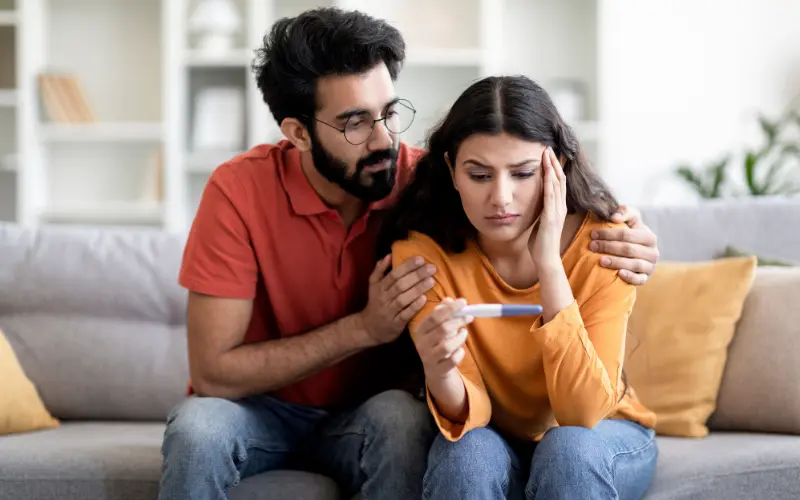
If fibroids are left unmanaged when they are actively causing symptoms, complications can develop and worsen over time.
Impact on Fertility
This is one of the most common concerns we hear at Raja Hospital. Will fibroids stop me from having a baby?
The answer depends on the size and location of the fibroid. Submucosal fibroids in particular can distort the inner cavity of the uterus, making it difficult for an embryo to implant. Some fibroids also block the fallopian tubes or interfere with sperm movement.
Here’s something worth holding onto. For many women, having fibroids surgically removed through a procedure called myomectomy has made a real difference in their ability to conceive. So if fertility is a concern for you, there’s a genuine reason for hope.
Severe Pain, Bleeding & Other Risks
That said, it’s equally important to understand what can happen if fibroids are left untreated for too long. The complications can go well beyond just discomfort.
- Anaemia- When you’re bleeding heavily month after month, your body’s iron reserves take a serious hit. Over time, this leads to anaemia. And with it comes that constant tiredness, weakness, breathlessness, and a paleness that no amount of rest seems to fix.
- Torsion- Some fibroids grow on a stalk, and occasionally, that stalk can twist. When it does, the pain is sudden and absolutely severe, the kind that lands you in the emergency room. It’s not common, but it’s a real risk that shouldn’t be overlooked.
- Urinary Problems- When fibroids get large enough, they can press against your bladder or the tubes that carry urine to it. This can mean constantly needing to use the bathroom, or in more serious cases, complications that affect your kidneys.
- Pregnancy Complications- If you’re pregnant and have fibroids, the risks don’t just affect you. They can affect your baby, too. There’s a higher chance of going into labour early, issues with the placenta, and a greater likelihood of needing a C-section delivery.
These aren’t meant to scare you. They’re meant to remind you that getting checked and treated early is always the better choice.
How Are Fibroids Diagnosed?
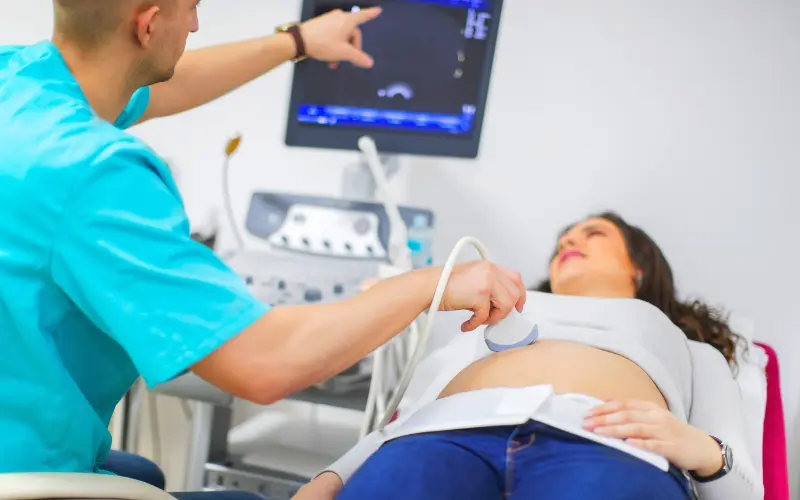
Many women feel anxious about medical tests, but diagnosing fibroids is usually simple and straightforward. The goal is to understand the size, number, and location of fibroids so the right treatment can be planned.
Medical Tests and Imaging
Doctors usually begin with a basic physical examination and then recommend a few tests to confirm the condition.
The most common methods include:
- Pelvic Ultrasound: The most common and first-line test. Sound waves create images of your uterus to identify fibroid size, number, and location.
- MRI (Magnetic Resonance Imaging): Gives a highly detailed map of fibroids, which is particularly useful for planning surgery.
- Hysteroscopy: A thin telescope-like camera is passed through the cervix to view the inside of the uterus. Used especially to detect submucosal fibroids.
- Blood Tests: These check for anaemia and rule out other conditions such as thyroid disorders that can cause similar symptoms.
These tests are safe and help in getting an accurate diagnosis without any major discomfort.
What to Expect During Diagnosis
Your doctor will start with a physical pelvic examination. If fibroids are suspected, an ultrasound is usually done the same day or shortly after.
In most cases, you can expect:
- A short consultation to understand your symptoms
- A recommended scan, usually an ultrasound
- Clear guidance from the doctor based on the results
Most diagnostic tests are painless and non-invasive. The idea is not just to detect fibroids, but also to understand whether they need treatment and what kind of approach would work best for you.
Fibroid Removal Surgery Options in Nawanshahr
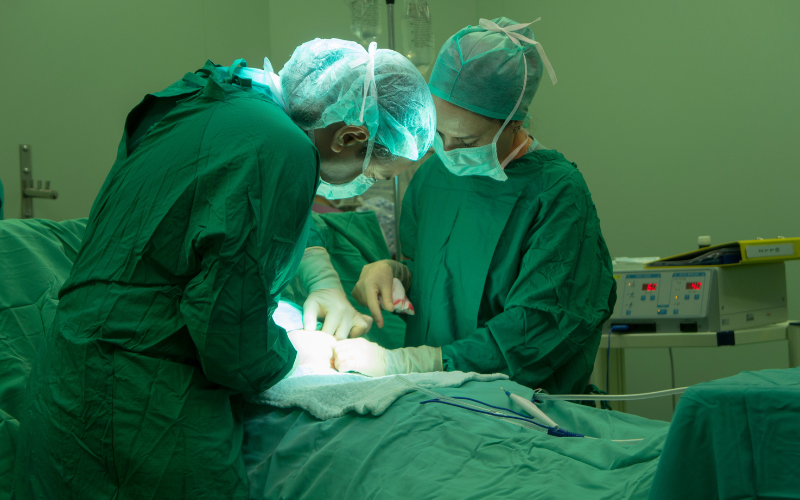
Not every fibroid needs surgery. But when symptoms are severe, fibroids are large, or fertility is being affected, surgical intervention becomes necessary. Here are the main treatment options available at Raja Hospital:
Myomectomy (Fibroid Removal)
A myomectomy removes only the fibroids while keeping the uterus intact. This is the preferred option for women who wish to maintain their fertility or simply prefer to preserve their uterus.
- Open Myomectomy: Traditional surgery through an abdominal incision. Recommended for very large or deeply embedded fibroids.
- Laparoscopic Myomectomy: A minimally invasive approach using small cuts and a camera. It involves less pain, less blood loss, and a much faster recovery.
- Hysteroscopic Myomectomy: Used for submucosal fibroids with no incisions at all. Done entirely through the vaginal canal with a small camera.
Hysterectomy (Uterus Removal)
A hysterectomy involves the complete removal of the uterus. It is the only permanent cure for fibroids. Once the uterus is removed, fibroids cannot come back.
This is typically recommended for women who have completed their family, have severe symptoms that haven’t responded to other treatments, or have fibroids that are extremely large or numerous.
Our gynaecologists at Raja Hospital have in-depth discussions with every patient before recommending a hysterectomy. It is never our first resort.
Minimally Invasive Procedures
For women who prefer to avoid surgery or are not suitable candidates for it:
- Uterine Fibroid Embolisation (UFE): A procedure that cuts off the blood supply to fibroids, causing them to shrink gradually. No surgical incision is needed.
- Hormonal Medications: GnRH agonists can temporarily shrink fibroids and reduce heavy bleeding. These are often used to prepare for surgery or manage symptoms in the short term.
- Hormonal IUD: Can help manage heavy bleeding caused by fibroids, though it does not actually shrink the fibroids themselves.
Recovery After Fibroid Surgery
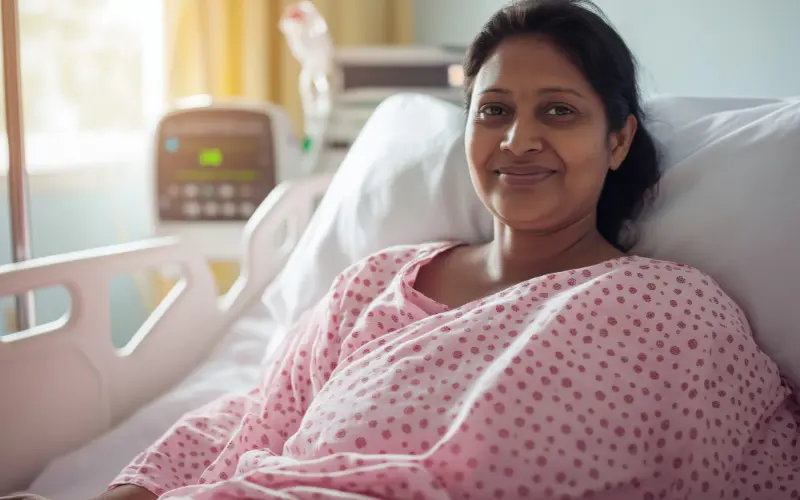
Healing looks different for everyone, and honestly, the type of surgery you’ve had plays the biggest role in how quickly you get back on your feet.
How Long Does Recovery Actually Take?
No two recoveries are identical, but knowing rough timelines helps you prepare mentally and practically.
- Hysteroscopic Myomectomy: Many women walk out the same day. A night’s stay at most. By day three, most are already back to their usual routine.
- Laparoscopic Myomectomy: A short hospital stay of a day or two, then home to rest. Three to four weeks later, most women feel like themselves again.
- Open Myomectomy or Hysterectomy: This is the bigger procedure, so the body naturally needs more time. Plan for up to five days in the hospital and give yourself a good six to eight weeks at home before resuming normal life.
- UFE (Uterine Fibroid Embolisation): One night in hospital is usually enough. Within a week or two, most women are comfortably back to their daily rhythm.
Little Things That Actually Help You Heal Faster
- Your doctor’s post-op instructions exist for a reason. Follow them properly.
- Load up on iron-rich foods like spinach, lentils, jaggery, and eggs. Your body has lost blood and needs to rebuild.
- Heavy lifting can wait. Let your body lead the pace.
- Water and sleep are underrated healers. Seriously, don’t skip either.
- Show up to every follow-up visit. The surgery was step one; recovery is step two.
Why Choose Raja Hospital for Fibroid Treatment in Nawanshahr
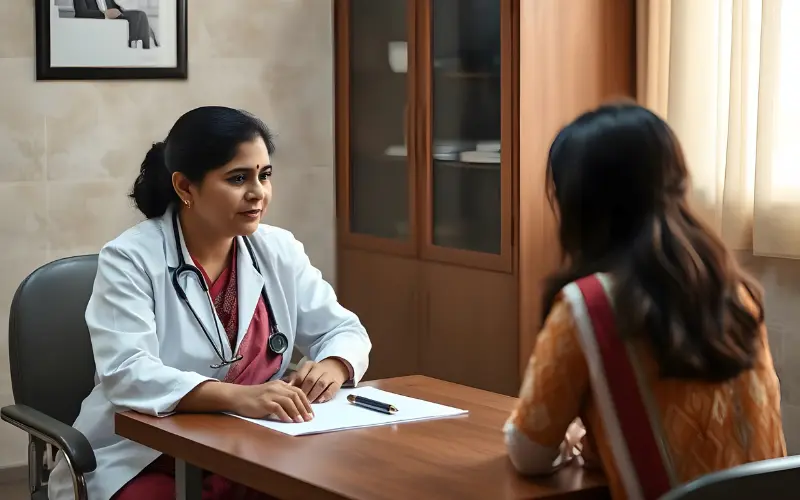
We know you have choices when it comes to your healthcare. Here’s why women from Nawanshahr and surrounding areas, including Balachaur, Garhshankar, and Anandpur Sahib, trust Raja Hospital for fibroid treatment.
Experienced Doctors & Advanced Care
Our gynaecology team has years of hands-on experience in both surgical and non-surgical fibroid treatment. Whether it’s medication, a minimally invasive laparoscopic procedure, or a full surgery, we offer every option right here under one roof, so you never have to look elsewhere.
We use modern diagnostic imaging and surgical equipment to make sure you get an accurate diagnosis and the safest, most effective treatment possible.
Patient-Centric Approach
At Raja Hospital, we treat the whole person, not just the condition. Every patient gets:
- A thorough consultation with plenty of time to ask all your questions
- A personalised treatment plan based on your age, symptoms, and fertility goals
- Clear, jargon-free explanations of every option available to you
- Warm, respectful care from the moment you walk through our doors
Trusted Healthcare in Nawanshahr
Raja Hospital has been looking after the women of Nawanshahr for years. We understand the local community, the cultural sensitivities around women’s health, and how important it is to have quality specialist care close to home without having to travel all the way to Chandigarh or Jalandhar.
Your health matters. And so does your peace of mind.
Frequently Asked Questions:
1. Are fibroids dangerous?
Fibroids are non-cancerous and rarely life-threatening. However, when left untreated, they can cause anaemia, chronic pain, and fertility problems. Early medical consultation helps prevent complications.
2. Can fibroids go away without surgery?
Small, symptom-free fibroids can be monitored and may shrink naturally after menopause. Hormonal medications can also help. Surgery is recommended only when symptoms are significant or fertility is affected.
3. Is fibroid surgery safe?
Yes. Fibroid surgery performed by an experienced surgeon is safe and has a high success rate. Minimally invasive options like laparoscopy have made recovery faster and risks even lower.
4. How long does recovery take?
It depends on the procedure. Hysteroscopic surgery allows return to routine in 1 to 3 days, laparoscopic surgery takes 2 to 4 weeks, and open surgery or hysterectomy requires 6 to 8 weeks for full recovery.
Struggling with same?
Book Your Appointment With Our Expert Doctors

Conclusion:
Uterine fibroids are incredibly common, yet so many women quietly live with them without ever getting the help they deserve. In this blog, we’ve tried to walk you through everything: what fibroids actually are, the early signs to watch out for, when it’s time to see a doctor, what might be causing them, how your daily habits can make a difference, and what treatment options are available right here in Nawanshahr.
And here’s the most important thing we want you to take away from all of this: fibroids are not cancer. They’re not a life sentence. With the right care at the right time, most women get back to feeling completely like themselves again, no pain, no worry, just life.
So whether you’ve been dealing with heavy periods, pelvic discomfort, trouble conceiving, or you just want to get checked because fibroids run in your family, please don’t keep pushing it to the back of your mind. The sooner you get a diagnosis, the more options you have, including treatments that keep your uterus intact and your fertility protected.
At Raja Hospital, Nawanshahr, our gynaecology team genuinely cares about your journey, right from that first consultation all the way through to your recovery. We offer both surgical and non-surgical treatments in a warm, supportive setting, close to home, and here for every woman in our community.
You deserve to feel well. Don’t wait on it. Book your consultation with Raja Hospital today and take that first step toward taking care of yourself.