
High Uric Acid: 11 Clear Signs You Shouldn’t Ignore!

REVIEWED BY DR. SHOKET ALI (MD MEDICINE) on 30 december 2024.
You wake up with a strange stiffness in your toes. It’s not painful yet.
Just… annoying. You brush it off, blaming your shoes or the weather. Weeks go by. That stiffness? Now it’s pain. Random, sharp, sometimes unbearable. You Google symptoms, shrug, and pop a painkiller. But what if that was your body’s first alarm?
High uric acid doesn’t scream, it whispers. Until it doesn’t. Most people don’t even know their uric acid levels are rising until it’s too late, when it’s already affecting their joints, kidneys, and quality of life. Worse?
They believe outdated myths, skip the tests, and wait until a “gout attack” hits like a truck at 2 AM.
In this guide, I’m breaking down exactly what high uric acid is, how it shows up in your body, what causes it, how to test for it, and the REAL ways to bring it under control without getting lost in medical jargon or fake cures.
Let’s clear the fog, once and for all.
What is Uric Acid & Why It Matters

Before you can fight it, you need to understand it.
Uric acid is a natural waste product your body makes when it breaks down purine substances found in certain foods and even in your body’s own cells. Normally, your kidneys filter out the uric acid and flush it through urine. But sometimes, either your body makes too much, or your kidneys can’t get rid of it fast enough.
That’s when levels build up and silently start causing damage.
So what’s the big deal?
When uric acid levels stay high for too long, it can crystallize, yes, literally form sharp crystals, especially in your joints. That’s what leads to gout attacks, kidney stones, and even chronic inflammation.
But here’s what most people don’t know:
You don’t have to reach “gout level” for uric acid to cause problems. Even moderately high levels can trigger fatigue, joint stiffness, poor sleep, and increased risk of lifestyle diseases like hypertension and diabetes.
Uric Acid vs. Gout: Not the Same Thing
People often confuse high uric acid (hyperuricemia) with gout. Here’s the truth:
- High uric acid means your levels are elevated, but you might not feel anything yet.
- Gout is what happens when uric acid has already started attacking your joints.
Think of uric acid like silent water rising behind a dam. Gout is when the dam breaks.
Early Signs & Symptoms of High Uric Acid

The tricky part? High uric acid doesn’t always announce itself. It creeps in quietly, often misdiagnosed as random fatigue, aging, or “just muscle pain.” But your body does give you clues if you know what to look for.
Here are the early signs and symptoms you shouldn’t ignore:
1. Joint Pain That Comes and Goes
Your big toe might feel like it’s been slammed, but the pain often travels.
- Sudden, sharp pain in the big toe (classic gout sign)
- Pain may shift to ankles, knees, wrists, or fingers
- Often worse at night or early morning
- May disappear and return unexpectedly
2. Stiffness or Swelling in Joints
Your joints feel “off,” tight, or oddly puffy even without much movement.
- Joints feel tight after rest or sleep
- Visible swelling without injury
- Discomfort when bending or stretching
- Feels like your joint is “full.”
3. Strange Fatigue or Brain Fog
When uric acid builds up, energy goes down, and your clarity with it.
- Feeling tired even after a fullnight’s sleep
- Difficulty focusing or remembering
- Lack of motivation or mental sharpness
4. Burning Sensation During Urination
When uric acid starts irritating your kidneys or bladder, it burns.
- Mild to intense burning while peeing
- Feeling like you didn’t empty your bladder
- Increased frequency, especially at night
5. Back or Side Pain That Doesn’t Go Away
Kidneys don’t scream, they whisper, and pain is their language.
- Sharp or dull pain in the lower back or sides
- Comes in waves, especially with movement
- May worsen after meals high in purines
6. Dry, Itchy Skin Over Joints
Inflammation doesn’t just hurt; it shows up on your skin, too.
- Flaky or scaly patches over elbows, knees, or feet
- Skin looks stretched or shiny over swollen areas
- Occasional redness or heat on the skin
7. Tingling or Numbness in Extremities
Think of it as static in your nerves, often ignored, but meaningful.
- Pins-and-needles feeling in fingers or toes
- Temporary numbness, especially in the morning
- Can feel worse in cold weather
8. Trouble Falling or Staying Asleep
Pain plus inflammation equals restless nights.
- Joint discomfort disrupting sleep
- Night sweats or strange aches
- Feeling groggy even after a full 8 hours
9. Reduced Mobility in Joints
Your body’s not as flexible as it was, and it’s not just age.
- Difficulty bending knees or elbows
- Pain when climbing stairs or getting out of bed
- Feeling “locked” in certain positions
10. Skin Sensitivity Over Joints
Even a light touch feels like a jab.
- Joints feel tender to the touch
- Clothing or bed sheets feel irritating
- Localized warmth or burning sensation
11. Occasional Low-Grade Fever
Your immune system might be reacting to internal inflammation.
- Slight fever during flare-ups
- General body ache or chills
- Feels like you’re “coming down with something” without a cause
Causes of High Uric Acid

High uric acid doesn’t just show up overnight; it builds up slowly from patterns most people don’t even realize are harmful. Here’s what’s really going on behind the scenes:
1. Diet High in Purines
Some foods naturally contain purines, which break down into uric acid in the body.
- Red meat (especially organ meats like liver)
- Seafood like anchovies, sardines, and mackerel
- Sugary beverages and high-fructose corn syrup
- Alcohol especially beer
2. Dehydration & Poor Water Intake
Your kidneys need water to flush out uric acid; no hydration, no filtration.
- Not drinking enough plain water
- Excessive caffeine without balancing hydration
- Hot weather and sweating buildup more risks
3. Obesity or Sudden Weight Changes
Extra weight increases uric acid production and reduces your kidneys’ ability to clear it.
- Increased inflammation from fat cells
- Rapid weight loss (like crash diets) can spike levels too
- Fatty liver is a common hidden connection
4. Sedentary Lifestyle
Lack of movement slows down metabolism and uric acid clearance.
- Sitting for long hours without breaks
- No regular exercise or stretching
- Sluggish blood flow impacts kidney efficiency
5. Certain Medical Conditions
Some health issues raise uric acid as a side effect.
- Hypertension (high blood pressure)
- Diabetes and insulin resistance
- Kidney dysfunction or low GFR
- Hypothyroidism
6. Medications That Interfere
Some pills you trust may quietly hike up your uric acid.
- Diuretics (water pills)
- Low-dose aspirin
- Immunosuppressants (e.g., for autoimmune issues)
7. Genetics & Family History
Sometimes, it’s just in your blood, literally.
- If close family members had gout or kidney issues
- Inherited metabolism patterns that process purines more slowly
8. Chronic Stress & Poor Sleep
Cortisol messes with everything, including how your body handles toxins.
- Sleep deprivation raises inflammation
- Chronic stress weakens kidney filtration
- Stress-eating triggers uric-acid-heavy foods
9. Age & Hormonal Shifts
Your body’s chemistry changes over time, and so does uric acid processing.
- Risk increases after age 40
- Men are more prone to problems before menopause in women
- Hormonal imbalance slows down purine breakdown
10. Crash Diets & Fasting Without Guidance
Going too hard, too fast? Your body pushes back.
- Ketosis and extreme low-carb diets spike uric acid
- Fasting without hydration makes the kidneys work harder
- Detox diets may backfire if not balanced
Tests & Diagnosis: What to Expect
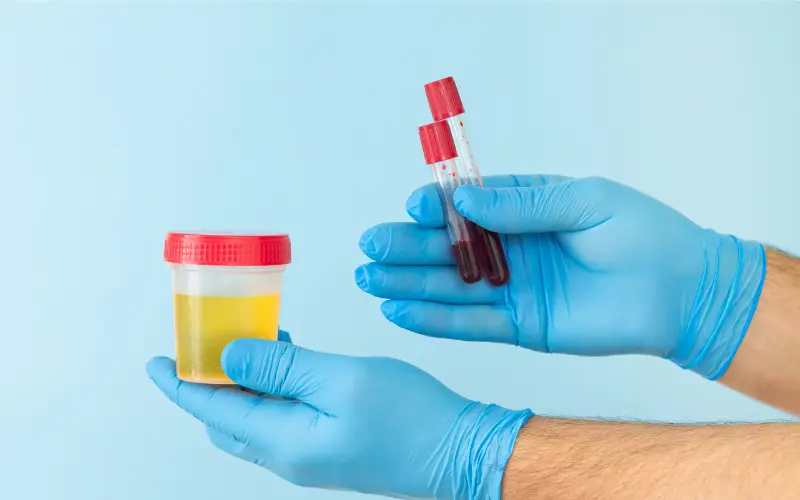
If you’re dealing with random joint pain or lingering fatigue, it’s time to stop guessing and start testing. Diagnosing high uric acid is simple, fast, and can save you from serious complications down the road.
Here’s what you should expect:
1. Blood Test for Uric Acid
This is the most basic and important test.
- It checks how much uric acid is in your blood.
- For men, normal is 3.4 to 7.0 mg/dL.
- For women, it’s 2.4 to 6.0 mg/dL.
- If your levels are higher, your body may be struggling to flush it out.
2. 24-Hour Urine Test
This helps figure out why your uric acid is high.
- You’ll collect all your urine for a full day.
- It shows if your body is making too much uric acid or if your kidneys aren’t clearing it well.
- It’s especially useful if your blood test comes back high.
3. Kidney Function Test
Because if your kidneys are slow, uric acid piles up.
- A few simple blood tests (like creatinine and estimated glomerular filtration ratei.e.,eGFR) show how well your kidneys are working.
- This helps rule out any hidden kidney issues.
- Important if you’ve had high BP, diabetes, or recurring urine infections.
4. Joint Fluid Test (Only if there’s swelling and pain)
This test is done when gout is suspected.
- A small sample of fluid is taken from the swollen joint.
- If uric acid crystals are found inside, it confirms gout.
- Not always needed, but useful in confusing cases.
5. Imaging Tests (Ultrasound or X-ray)
Used when joint pain keeps coming back.
- These scans can show uric acid crystal buildup or joint damage.
- Doctors usually use this whenthe uric acid has been high for a long time.
How Often Should You Get Tested?
- Once a year, if you’re healthy but have a family history.
- Every 6 months, if you’re borderline or making lifestyle changes.
- More often, if you’re on meds or already diagnosed with gout.
Remember: You don’t need to wait for severe pain to get tested. A simple blood test today can prevent a painful flare-up tomorrow.
Is High Uric Acid Reversible?

Here’s the truth: high uric acid isn’t a life sentence, but it’s not a one-time fix either. It can be controlled, reduced, and yes, even reversed to safe levels with the right habits.
But only if you catch it early and stay consistent.
Can You Bring Uric Acid Levels Down Naturally?
Yes, especially in the early stages.
When your levels are just a little high and you haven’t had gout attacks or kidney issues yet, simple lifestyle changes can make a big difference.
- Drinking more water (2.5-3L daily)
- Cutting back on red meat and alcohol
- Eating more alkaline foods (fruits, vegetables, whole grains)
- Exercising regularly (30–45 minutes/day)
Is It Reversible Without Medicine?
Sometimes, but not always.
If your uric acid is only slightly elevated and you’re not getting symptoms, lifestyle changes alone might be enough.
But if you’re already having joint pain, swelling, or kidney trouble, doctors may recommend medication at least for a while to get things under control.
What Makes It Hard to Reverse?
- Ignoring early symptoms
- Relying only on home remedies
- Going on & off diets too fast
- Not testing regularly
- Stress, poor sleep, or inconsistent habits
The Key? Long-Term Control > Quick Fixes
Uric acid levels can go up and down depending on your daily choices. So rather than chasing an instant cure, focus on long-term balance; it’s the only thing that actually works.
Effective Treatment Options

When lifestyle tweaks aren’t enough, or uric acid levels are already causing pain, treatment becomes non-negotiable. The goal? Bring those numbers down without letting it control your life.
Here’s what treatment usually looks like:
1. Medication (If Your Levels Are High or Pain Is Severe)
Doctors may prescribe medications to either reduce uric acid production or help your body eliminate it faster.
- Allopurinol – lowers uric acid production
- Febuxostat – another option for those who can’t tolerate allopurinol
- Colchicine – reduces inflammation during gout attacks
- NSAIDs (like ibuprofen) – for quick relief from joint pain
- Probenecid – helps the kidneys flush out uric acid
Note: Never self-prescribe. Always take these under medical supervision. Wrong use can worsen the condition or affect your kidneys.
2. Dietary Changes (Backed by Science, Not Trends)
The first thing most doctors will tell you: change your plate.
- Reduce red meat, organ meats, and seafood
- Avoid sugary drinks and anything with high-fructose corn syrup
- Go easy on alcohol (especially beer)
- Eat more fiber, fruits, and vegetables (but not spinach or mushrooms)
- Drink enough water; your kidneys need it
3. Regular Monitoring
If you’re on medication or in the high-risk zone, regular blood tests are essential.
- Track how your body responds to treatment
- Spot any sudden spikes early
- Helps avoid unnecessary long-term medication
4. Treating Root Causes
Uric acid is often a symptom, not the root problem.
- Manage diabetes, blood pressure, or thyroid issues
- Treat obesity and insulin resistance
- Improve kidney health
You fix the root, and uric acid levels often follow.
5. Don’t Stop Treatment Too Early
This is where most people go wrong.
- They feel better and stop everything
- But the uric acid quietly rises again
- Then comes the “out of nowhere” gout flare
Stay consistent even when you feel fine.
Home Remedies for Uric Acid Relief

Not everything needs a prescription, especially when you’re in the early stages or want to support medical treatment naturally. While home remedies won’t “cure” high uric acid overnight, they can make a big difference when practiced consistently.
Here are the most reliable and safe options that work:
- Drink warm lemon water every morning: Helps alkalize the body and supports kidney detox.
- Use apple cider vinegar (1 tsp in water daily): May help with uric acid elimination, but avoid overuse.
- Stay hydrated (2.5 to 3L per day): Add natural diuretics like coconut water or barley water.
- Eat more anti-inflammatory foods: Cherries, berries, turmeric, flaxseeds, and amla help reduce swelling and oxidative stress.
- Limit purine-rich veggies: Cut back on spinach, mushrooms, cauliflower, and excess lentils if levels are high.
- Try gentle Ayurvedic support: Herbs like Punarnava (for the kidneys), Giloy (for immunity), and Triphala (for digestion). Consult your doctor before use.
- Watch out for “healthy” habits that backfire: overdoing green tea, keto diets without water, or excessive protein shakes can silently raise your uric acid levels.
Lifestyle Shifts That Actually Work
If you really want to keep uric acid in check (for life), it’s not just about what you eat it’s about how you live. A few consistent changes can help you stay symptom-free without depending on medication forever.
These are the lifestyle habits I always recommend because they work:
- Cut down on 3 food patterns: excess meat, sugar, and processed carbs. These are the holy trinity of uric acid spikes; clean them up first.
- Follow a consistent movement routine (30–45 mins daily): Regular walking, yoga, or light cardio improves circulation and supports kidney function.
- Sleep at least 7–8 hours every night: Poor sleep increases inflammation and weakens your body’s detox ability.
- Manage stress actively: High cortisol levels slow down uric acid elimination. Try meditation, deep breathing, or even just digital detoxes.
- Avoid extremes in diet: Crash diets, zero-carb plans, and skipping meals can shock your system and raise uric acid temporarily.
- Stick to an 80/20 rule: Eat clean 80% of the time, allow occasional indulgence 20% — this helps you stay consistent long-term.
- Monitor your weight, but don’t obsess: Gradual weight loss is key. Losing fat too quickly can temporarily increase uric acid levels.
When to See a Doctor Immediately

Sometimes, high uric acid crosses the line from being “something to watch” to “something you must act on.” Don’t wait for things to get worse.
Here’s when it’s time to get medical help:
- Severe joint pain, especially in the middle of the night
- Redness, swelling, or warmth around a joint
- Pain in the lower back or side (possible kidney involvement)
- Blood in urine or a burning sensation while peeing
- More than one gout attack in the past few months
- Relying on painkillers regularly to manage discomfort
- You have diabetes, high BP, or kidney issues already
Frequently Asked Questions:
1. Can uric acid levels go down without medication?
Yes, if detected early and managed through lifestyle changes like diet, hydration, and exercise. But don’t skip testing; you need to track it.
2. Which fruits are good for high uric acid?
Cherries, berries, apples, and citrus fruits like oranges and lemons help. Avoid too much mango, pineapple, or bananas if your levels are already high.
3. Are lentils and beans safe to eat?
In moderation, yes. Soak them overnight, cook them well, and avoid eating them in excess if your levels are high.
4. Can exercise increase uric acid temporarily?
Intense workouts may cause a short-term spike, but regular moderate exercise helps bring levels down over time.
5. Is gout the same as high uric acid?
Not exactly. High uric acid is the cause, and gout is the painful result when it crystallizes in joints.
6. Can I drink milk if I have high uric acid?
Yes, low-fat dairy can actually help reduce uric acid. But skip flavored or full-fat versions loaded with sugar.
Struggling with same?
Book Your Appointment With Our Expert Doctors

Conclusion:
High uric acid isn’t just a number on your lab report; it’s your body’s early warning system. Left unchecked, it can creep into your joints, kidneys, and daily life. But with the right awareness and consistent action, it’s completely manageable and often reversible.
Start by noticing the small signs. Test regularly. Don’t fall for common myths. And if your symptoms persist or worsen, don’t wait it out because the longer you ignore it, the louder it gets.
For expert diagnosis, personalized diet planning, and long-term management, the specialists at Raja Hospital are just a consultation away. Book your appointment today and take the first step toward pain-free living.