
Obesity in Nawanshahr: 7 Risks You Must Not Ignore!
REVIEWED BY DR. SHOKET ALI (MD MEDICINE) on 28 may 2026.
Let’s be honest. In many Punjabi homes, weight gain is not treated like a health warning. It is treated like a normal part of life.
“Thoda healthy lag reha hai.”
“Marriage ke baad weight badh hi jata hai.”
“Punjabi bande patle thodi hote hain.”
Sounds familiar?
But here’s the uncomfortable truth: obesity is not just about looking overweight. It can quietly increase your risk of cholesterol, high blood pressure, diabetes, fatty liver, joint pain, breathing problems, and even heart disease.
And the scary part?
Most people in Nawanshahr don’t take obesity seriously until their blood report, sugar level, BP reading, or sudden breathlessness scares them.
I’ve seen this pattern in marketing and human behaviour again and again: people don’t act when the problem starts. They act when the problem becomes painful.
Obesity works the same way.
First, it feels harmless. Then clothes become tight. Then walking feels heavy. Then stairs become difficult. Then the doctor says, “Your cholesterol is high.” And suddenly, the same weight gain that looked “normal” starts looking dangerous.
This article will help you understand why obesity in Nawanshahr is becoming a serious health concern, especially with our Punjabi food habits, junk food culture, sedentary lifestyle, and confusion around good fat vs bad fat.
We’ll also break common obesity myths, daily habits to avoid, important lifestyle changes, and the warning signs you should never ignore.
Because the goal is not just to lose weight. The goal is to protect your heart, energy, confidence, and future. And if you already have symptoms like breathlessness, constant tiredness, belly fat, high BP, high sugar, cholesterol, or joint pain, don’t wait for things to get worse. Visit Raja Hospital for medical evaluation and the right guidance.
Obesity Is Not Just “Thoda Mota Hona”
Let’s start with the line we’ve all heard in Punjabi families:
“Bas thoda healthy ho gaya hai.”
But there’s a big difference between being healthy and carrying unhealthy body fat.
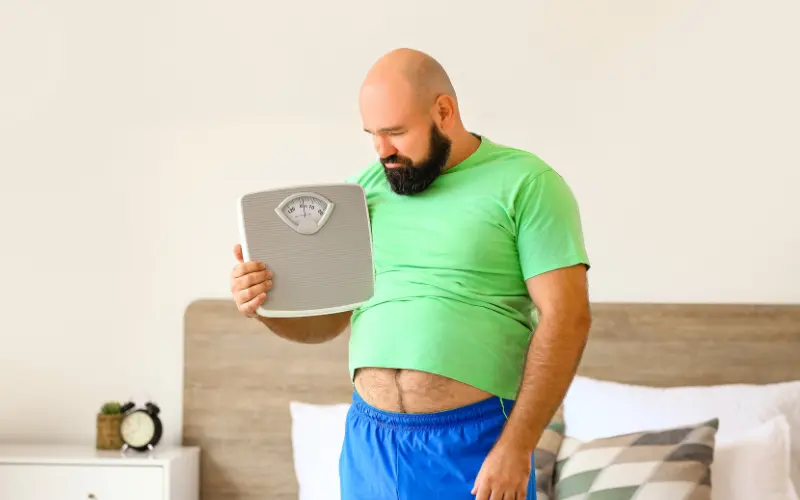
Obesity is not just a cosmetic issue. It is not just about how you look in clothes. It is a medical condition where excess body fat starts putting pressure on your heart, liver, joints, hormones, breathing, sleep, and energy levels.
And this is where many people in Nawanshahr make the mistake.
- They wait.
- They wait until the weight becomes belly fat.
- They wait until walking feels tiring.
- They wait until the BP machine shows a scary number.
- They wait until the cholesterol report comes high.
- They wait until the doctor says, “Now you need to be careful.”
The problem is, obesity does not usually attack loudly in the beginning.
It enters silently. First, your jeans become tight. Then your stamina drops. Then you start feeling sleepy after meals. Then stairs feel difficult. Then your blood reports slowly begin to change.
And because the change is slow, people ignore it.
That is the psychology of obesity. When something becomes common around us, we stop treating it as dangerous.
In many Punjabi households, oily food, fried snacks, sweet tea, big portions, and late-night eating are so normal that saying “no” feels rude. But your body does not care about social pressure. Your body responds to patterns.
- Daily extra calories become fat.
- Daily sitting becomes low stamina.
- Daily fried food affects cholesterol.
- Daily sugar affects insulin.
- Daily ignorance becomes disease.
According to the CDC, obesity increases the risk of serious health problems such as high blood pressure, abnormal cholesterol, type 2 diabetes, heart disease, stroke, fatty liver disease, joint problems, sleep apnea, and some cancers.
That is why obesity should not be treated as “normal weight gain.” It should be treated as a warning sign.
Why many people in Nawanshahr don’t take obesity seriously
The biggest reason is emotional comfort. People don’t want to believe their daily habits are harming them. Nobody wants to hear that their favourite paranthas, pakoras, creamy sabzi, sweets, cold drinks, and evening snacks are slowly damaging their health.
So they create excuses.
- “I don’t eat outside much.”
But homemade food can also be high in oil, butter, sugar, and calories.
- “I walk sometimes.”
But occasional walking cannot cancel daily overeating.
- “My reports are normal right now.”
But normal reports today do not guarantee safety tomorrow.
- “Everyone in my family is like this.”
Family history may explain the risk, but it should not become an excuse.
This is where awareness matters.
Obesity does not become serious only when you are unable to move. It becomes serious when your body fat starts increasing your health risks.
The hidden danger of normalizing belly fat in Punjabi families
Belly fat is often joked about.
People call it “family pack,” “shaadi weight,” or “businessman belly.”
But medically, belly fat can be more concerning than fat stored in other areas because it is often linked with metabolic problems like insulin resistance, high cholesterol, fatty liver, and heart-related risks.
The dangerous part is that belly fat looks harmless from outside. But inside, it may be affecting your blood pressure, sugar levels, cholesterol, liver health, and breathing.
This is why someone may look “active” but still have high cholesterol. Someone may not feel sick but still have fatty liver. Someone may work all day but still be at risk of diabetes.
Your body gives signals, but only if you are willing to listen.
When weight gain becomes a medical warning sign
Weight gain should not be ignored when it starts affecting your daily life.
- You should become alert if you notice:
- You feel breathless while walking or climbing stairs.
- You feel tired even after proper sleep.
- Your belly size is increasing.
- You snore heavily or wake up tired.
- Your knees, back, or joints hurt often.
- Your BP, sugar, or cholesterol is high.
- You feel heaviness after meals.
- You are gaining weight even without eating “too much.”
These signs do not always mean something dangerous is already happening. But they do mean your body needs attention.
And this is the exact point where many people should visit a doctor instead of trying random diets from the internet.
Because obesity is not just about eating less.
Sometimes it may be linked with hormones, thyroid issues, diabetes risk, sleep problems, medicines, stress, or other health conditions. A proper medical evaluation helps you understand what is actually happening inside your body.
So, if you are living in Nawanshahr and you have symptoms like breathlessness, tiredness, belly fat, high BP, high sugar, cholesterol, snoring, or joint pain, don’t brush it off as normal.
Why Obesity Is Increasing in Nawanshahr
Obesity is not happening because of one meal or one lazy day. It is happening because unhealthy habits have quietly become part of daily life.
In Nawanshahr, the main reasons are:
- More junk food and packaged snacks
- Less walking and physical activity
- Heavy Punjabi food with oil, butter, ghee, and cream
- Oversized portions at home
- Sweet tea, cold drinks, and sweets
- Long sitting hours
- Poor sleep and stress eating
- Lack of regular health checkups
The dangerous part is simple: people notice weight gain, but they don’t connect it with future health problems.
Junk Food Has Become Too Normal
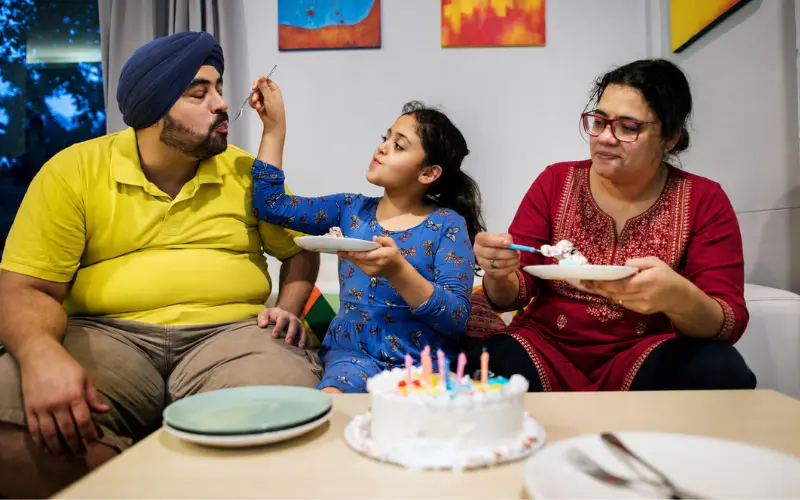
Earlier, fast food was an occasional treat. Now, for many people, it has become a weekly or daily habit.
Common junk foods increasing obesity include:
- Burgers and pizzas
- Fried momos and noodles
- French fries and chips
- Bakery items
- Samosas and pakoras
- Cold drinks and packed juices
- Sugary tea and shakes
- Late-night snacks
The problem is not just that these foods are tasty. The problem is they are high in calories but low in real nutrition.
They can lead to:
- Weight gain
- Belly fat
- Low energy
- More cravings
- High cholesterol
- Sugar imbalance
- Poor digestion
This is why a person can eat a heavy fast-food meal and still feel hungry again after some time.
Sedentary Lifestyle Is Making People Gain Weight
Many people in Nawanshahr are moving less than before. More sitting means the body burns fewer calories throughout the day.
This is common among:
- Shopkeepers
- Office workers
- Students
- Drivers
- Homemakers
- People who use bikes or cars for small distances
- People who spend hours on mobile phones or TV
A sedentary lifestyle can cause:
- Belly fat
- Weight gain
- Poor stamina
- Back pain
- Knee pain
- Slow digestion
- Tiredness
- Higher risk of diabetes and BP
Walking for 10–15 minutes is good, but it cannot fully balance a full day of sitting, overeating, and poor sleep.
Punjabi Food Is Not the Enemy, Overeating Is
Punjabi food itself is not bad. The real issue is quantity, frequency, and how much oil or butter is used.
Many daily foods become risky when eaten in excess:
- Paranthas with too much ghee
- Sabzi cooked in extra oil
- Creamy gravies
- Fried snacks
- Sweets after meals
- Sweet lassi
- Butter-loaded dishes
- Large portions of rice and roti
The biggest myth is:
“Ghar ka khana hai, healthy hi hoga.”
Not always. Homemade food can also increase weight and cholesterol if it has:
- Too much oil
- Too much butter
- Too much sugar
- Too much salt
- Large portions
- Frequent snacking
So the goal is not to stop Punjabi food. The goal is to eat it smartly.
Stress and Poor Sleep Also Increase Weight
Obesity is not only about food. Stress and sleep also affect hunger, cravings, and energy.
When people are stressed, they often reach for:
- Sweet tea
- Biscuits
- Namkeen
- Chips
- Fried snacks
- Sweets
- Heavy meals
- Late-night food
Poor sleep can also make the situation worse because it may lead to:
- More hunger
- More cravings
- Low energy
- Less motivation to walk
- Mood swings
- Emotional eating
This becomes a cycle:
- Stress increases cravings
- Cravings increase overeating
- Overeating increases weight
- Weight gain reduces confidence
- Low confidence creates more stress
That is how obesity slowly becomes a lifestyle problem.
The Real Reason Obesity Is Rising
The real reason is not one food item. It is the full daily routine.
Obesity increases when these habits combine:
- Heavy food
- Less movement
- Sweet drinks
- Fried snacks
- Poor sleep
- Stress eating
- No regular checkups
- Ignoring early symptoms
And once these habits become normal, weight gain starts feeling normal too.
But it is not normal.
If you are gaining weight, feeling breathless, getting tired easily, or facing high BP, sugar, cholesterol, or joint pain, don’t ignore it.
Punjabi Diet and Obesity: The Real Problem Is Not Food, It’s Quantity + Frequency
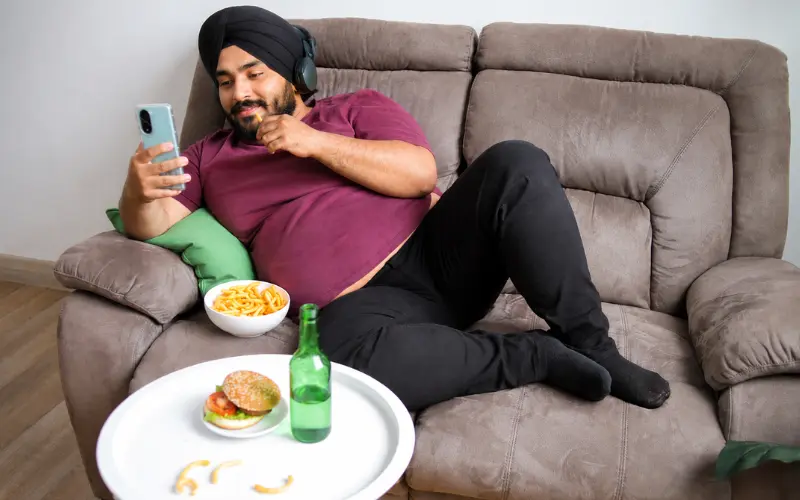
Punjabi food is emotional. It is culture, family, love, and comfort on a plate. But when the same food becomes too oily, too frequent, and too heavy, it can quietly push the body toward obesity.
The real issue is usually not one parantha.
The real issue is:
- Parantha with too much ghee
- Sweet tea 3–4 times a day
- Fried snacks in the evening
- Big dinner late at night
- Very little walking
- No portion control
- “Thoda aur kha lo” pressure at home
That is how weight gain starts feeling normal.
Is Ghee Always Bad? Understanding the Truth
No, ghee is not always bad. But “natural” does not mean “unlimited.”
Many people make this mistake:
- Ghee is homemade, so it must be healthy
- Ghee gives strength, so quantity does not matter
- Our elders ate ghee, so we can eat it the same way
- Desi ghee is better than oil, so I can use more of it
The truth is simple:
- Ghee is calorie-dense
- Too much ghee can increase daily calorie intake
- Extra calories can lead to weight gain
- Weight gain can increase cholesterol and heart risk
- People with existing cholesterol, BP, diabetes, or heart risk should be more careful
So, ghee is not the enemy.
But eating it without control can become a problem.
Good Fat vs Bad Fat: What People Usually Misunderstand
There is a lot of confusion around good fat and bad fat. Some people hear “good fat” and think they can eat it freely.
That is where the problem begins.
Good fats usually come from foods like:
- Nuts and seeds
- Peanuts
- Almonds and walnuts
- Olive oil or mustard oil in controlled quantity
- Avocado, where available
- Fatty fish, for non-vegetarians
Bad fats are often found in:
- Deep-fried foods
- Fast food
- Bakery items
- Chips and packaged snacks
- Reheated oil foods
- Creamy gravies
- Excess butter and cheese
- Processed foods
But remember this:
Even good fat has calories. So, the question is not only good fat or bad fat.
The bigger question is:
- How much are you eating?
- How often are you eating it?
- What is your current weight?
- What are your cholesterol levels?
- How active are you?
- Do you already have BP, sugar, or heart risk?
Good fat in the right amount may support health.
Good fat in excess can still increase weight.
Why “Homemade Food” Can Still Increase Cholesterol
This is one of the biggest myths in Punjabi homes. People think if food is cooked at home, it is automatically healthy.
But homemade food can also be heavy if it has:
- Too much oil
- Too much ghee
- Too much butter
- Too much cream
- Too much sugar
- Too much salt
- Large portions
- Repeated servings
For example:
- A homemade parantha can still be high in calories
- Homemade pakoras are still fried
- Homemade sweets still contain sugar
- Homemade creamy paneer can still be heavy
- Homemade tea with sugar still adds calories
So the real question is not:
“Ghar ka hai ya bahar ka?”
The real question is:
“Kitna oil, kitni sugar, kitni quantity, aur kitni baar?”
Obesity is linked with higher risk of serious health conditions, including high blood pressure, abnormal cholesterol, type 2 diabetes, heart disease, stroke, fatty liver disease, joint problems, and sleep apnea.
Where Calories Silently Hide in Punjabi Food
The most dangerous calories are the ones people don’t count. They feel small, but they add up every single day.
Calories can silently hide in:
- Extra ghee on roti
- Butter on paranthas
- Oil floating on sabzi
- Cream in gravies
- Sugar in tea
- Sweet lassi
- Cold drinks
- Biscuits with tea
- Namkeen while watching TV
- Sweets after meals
- Late-night snacks
- “Bas thoda sa” second serving
This is why many people say:
“Main zyada khata bhi nahi, phir weight badh raha hai.”
But when we look closely, the daily extras are usually there. Not one big mistake.
Many small repeated mistakes.
What Should Punjabi Families Do Instead?
You don’t need to leave Punjabi food. You need to make it smarter.
Start with small changes:
- Use less oil while cooking
- Avoid adding extra ghee on top
- Keep fried food occasional
- Reduce sugar in tea
- Avoid cold drinks and packed juices
- Eat more salad and vegetables
- Keep dinner lighter
- Control roti and rice portions
- Avoid eating late at night
- Walk after meals when possible
- Check cholesterol, sugar, BP, and weight regularly
The goal is not punishment. The goal is control.
Because once obesity starts affecting cholesterol, BP, sugar, breathing, sleep, or joints, it is no longer just a food issue. It becomes a health issue.
And if you are already facing symptoms like belly fat, breathlessness, tiredness, high cholesterol, high BP, high sugar, snoring, or joint pain, visit Raja Hospital for proper evaluation and medical guidance.
Common Obesity Myths People Still Believe
Obesity becomes more dangerous when people believe half-truths, because these myths make unhealthy habits feel harmless and delay the moment when a person finally takes their weight, cholesterol, BP, sugar, and lifestyle seriously.
In Nawanshahr and many Punjabi families, the problem is not only overeating; the bigger problem is the confidence with which people defend habits that are silently harming their body.
Myth 1: “I Am Healthy Because I Can Work Normally”
Many people believe that if they can go to work, manage household duties, drive, walk in the market, or complete daily tasks, then their weight is not a serious health issue.
But obesity-related problems do not always show symptoms in the beginning, which means a person may feel “normal” while their cholesterol, blood pressure, sugar levels, liver fat, stamina, and heart risk are slowly moving in the wrong direction.
The body often adjusts for months or years before it starts giving strong warning signs, and that is why feeling okay should never be treated as proof that everything is okay inside.
Myth 2: “Only Very Fat People Have Health Risks”
Another common myth is that obesity becomes dangerous only when someone is extremely overweight, but even moderate weight gain can become risky when fat starts collecting around the belly.
Belly fat is especially concerning because it is often linked with high cholesterol, insulin resistance, type 2 diabetes risk, fatty liver, high blood pressure, low energy, and increased pressure on the heart.
So instead of asking only, “Am I looking too fat?”, people should also ask, “Is my waist increasing, do I feel tired easily, are my reports changing, and is my weight slowly increasing every year?”
Myth 3: “Ghee Is Natural, So I Can Eat Unlimited”
Ghee has emotional value in Punjabi homes, and because it is traditional and natural, many people assume that it can be eaten freely without worrying about weight or cholesterol.
The truth is that ghee is not bad by itself, but it is calorie-dense, and when it is added generously to paranthas, sabzi, dal, rice, sweets, and snacks while physical activity remains low, it can easily increase total calorie intake.
The problem is not tradition; the problem is using tradition as an excuse for unlimited quantity.
Myth 4: “Skipping Meals Is the Fastest Way to Lose Weight”
Skipping meals may look like a shortcut, but for many people it creates the opposite result because hunger builds up, cravings become stronger, and the person often ends up overeating later in the day.
A common pattern is skipping breakfast, surviving on sweet tea, eating a heavy lunch, snacking in the evening, and then eating a large dinner because the body feels deprived.
Healthy weight loss is not about punishing the body; it is about creating a routine where food quality, portion control, movement, sleep, and consistency work together.
Myth 5: “A Small Walk Is Enough to Control Obesity”
Walking is a good habit, but a short walk cannot fully balance a full day of sitting, overeating, sweet tea, fried snacks, late dinners, poor sleep, and stress eating.
This is why many people say, “Main walk bhi karta hoon, phir bhi weight kam nahi ho raha,” because they are depending on one good habit while ignoring ten daily habits that are pushing weight upward.
For obesity control, walking helps, but it works better when combined with portion control, reduced sugar, less fried food, better sleep, more movement during the day, and regular health monitoring.
Myth 6: “Weight Gain After Marriage or Age Is Normal”
Weight gain after marriage, pregnancy, job changes, or aging may be common, but common does not mean safe, and it should not become a reason to ignore increasing belly size, tiredness, breathlessness, knee pain, or abnormal health reports.
As people age, activity often reduces, social eating increases, sleep becomes irregular, stress rises, and metabolism may slow down, which makes weight management more important, not less important.
Normalizing weight gain is easy, but dealing with diabetes, cholesterol, BP, fatty liver, and joint pain later can become much harder.
Myth 7: “Homemade Food Can Never Cause Obesity”
Homemade food can be healthy, but it can also cause weight gain when it contains too much oil, ghee, butter, cream, sugar, salt, fried items, large portions, and repeated servings throughout the day.
A home-cooked meal does not automatically become healthy just because it is made at home; dal with heavy tadka, sabzi floating in oil, paranthas with extra ghee, sweet tea multiple times a day, and homemade sweets can still increase calories and cholesterol risk.
The real question is not whether the food is homemade or outside food; the real question is how it is cooked, how much is eaten, how often it is eaten, and how active the person is after eating it.
The Truth About Obesity Myths
Most obesity myths have one thing in common. They make people delay action.
They make people say:
- “Abhi toh theek hoon”
- “Reports normal aa jayengi”
- “Thoda weight hai, koi baat nahi”
- “Kal se diet start karunga”
- “Ghee natural hai”
- “Ghar ka khana harmful nahi hota”
But the body does not wait for motivation.
It responds to daily habits. And if those habits are unhealthy for months or years, the result may show up as weight gain, high cholesterol, sugar problems, BP, fatty liver, breathing issues, or joint pain.
Health Risks of Obesity You Should Never Ignore
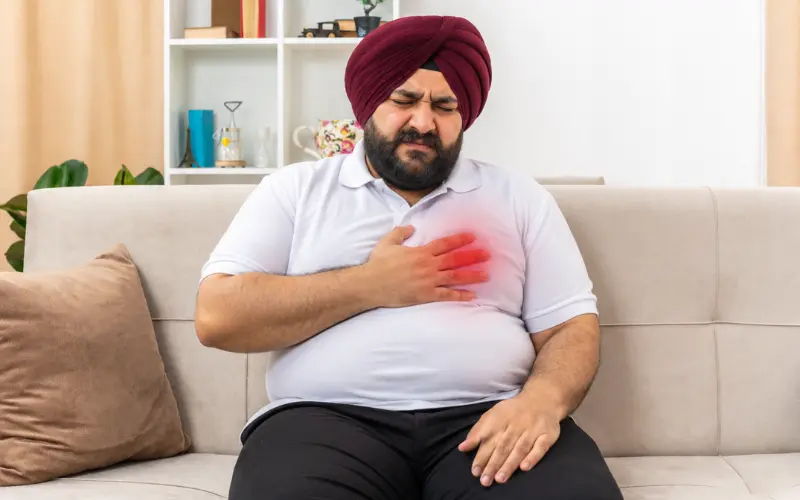
Obesity is not just about body shape or clothes getting tight. It can slowly affect your heart, sugar, cholesterol, liver, breathing, joints, and daily energy.
According to the CDC, obesity is linked with serious health problems like high blood pressure, unhealthy cholesterol, type 2 diabetes, heart disease, stroke, fatty liver disease, sleep apnea, joint problems, and some cancers.
1. High Cholesterol
Extra body fat can disturb cholesterol levels and increase the risk of artery blockage over time. This becomes more risky when oily food, fried snacks, butter, cream, and low activity are part of daily life.
- LDL, also called bad cholesterol, may increase
- HDL, also called good cholesterol, may decrease
- Triglycerides may increase
- Arteries may slowly become narrow
- Heart risk may increase
- The person may not feel symptoms in the beginning
2. High Blood Pressure
Obesity makes the heart work harder because the body needs more blood supply. Over time, this extra pressure can affect blood vessels and increase BP levels.
- BP may stay high without clear symptoms
- Heart has to pump with more effort
- Blood vessels may become stressed
- Headache, tiredness, or heaviness may happen
- Risk of heart disease may increase
- Regular BP checkups become important
3. Type 2 Diabetes
Excess weight, especially belly fat, can affect how the body uses insulin. When insulin does not work properly, blood sugar levels may start rising.
- Sugar cravings may increase
- Energy levels may drop
- Frequent hunger can happen
- Belly fat may increase diabetes risk
- Family history can make risk higher
- Borderline sugar should not be ignored
4. Fatty Liver
Many people think liver problems happen only because of alcohol, but that is not true. Obesity and belly fat can also increase the risk of fatty liver.
- Fat may build up in the liver
- Digestion may feel heavy
- Tiredness may increase
- Liver reports may become abnormal
- Belly fat is commonly linked with fatty liver
- Weight control can support liver health
5. Joint Pain and Back Pain
Extra body weight puts more pressure on knees, back, hips, and feet. This pressure can slowly cause pain, stiffness, and difficulty in movement.
- Knee pain while walking
- Back pain after standing
- Difficulty climbing stairs
- Reduced stamina
- Swelling or stiffness in joints
- Avoiding physical activity because of pain
6. Breathing Issues and Sleep Problems
Obesity can affect breathing during walking, climbing stairs, or sleeping. Many people ignore snoring and breathlessness, but these can be warning signs.
- Breathlessness during small activity
- Loud snoring
- Disturbed sleep
- Waking up tired
- Daytime sleepiness
- Low oxygen and poor sleep quality risk
7. Low Energy and Poor Confidence
Obesity affects more than medical reports. It can also affect confidence, mood, stamina, and daily comfort.
- Feeling tired without doing much
- Avoiding photos or social events
- Low confidence in clothes
- Mood changes
- Laziness or heaviness
- Frustration after failed weight-loss attempts
Why These Risks Matter
The biggest mistake is waiting for a major health scare before taking obesity seriously, because by the time symptoms become strong, the body may already be dealing with high cholesterol, BP, sugar imbalance, fatty liver, sleep issues, or joint stress.
Obesity is manageable, but only when people stop treating it as “normal weight gain” and start seeing it as a medical warning that deserves attention, lifestyle correction, and proper health monitoring.
Symptoms and Warning Signs That Mean You Should Act Now

Most people don’t suddenly feel “obese.” It starts with small things: stairs feel harder, clothes get tighter, energy drops, and you keep telling yourself, “Bas thoda weight badh gaya hai.”
But these small signs should not be ignored:
- Belly size increasing month by month
- Shirt, kurta, or pants getting tight around the waist
- Breathlessness while walking fast or climbing stairs
- Feeling tired even after doing normal daily work
- Sleepiness after meals
- Loud snoring at night
- Waking up tired even after sleeping enough
- Knee pain, back pain, or heel pain
- BP, sugar, cholesterol, or triglycerides coming high in reports
- Sudden weight gain without any clear reason
- Cravings for sweet tea, snacks, or fried food again and again
- Feeling heavy after meals
- Avoiding walking because the body feels lazy or tired
- Low stamina compared to earlier
These signs matter because obesity doesn’t always shout in the beginning; sometimes it quietly shows up in your routine, your reports, your sleep, and your energy before it becomes a bigger health problem.
What Should You Avoid on a Daily Basis?

Obesity control doesn’t start with a fancy diet chart. It starts with removing the small daily habits that look harmless but slowly increase weight, belly fat, cholesterol, sugar, and laziness.
Avoid these daily habits:
- Eating fried snacks like samosa, pakora, tikki, fries, and chips too often
- Drinking sweet tea 3–4 times a day
- Taking cold drinks, packed juices, shakes, or sugary drinks regularly
- Eating biscuits, namkeen, rusk, or bakery items with every cup of tea
- Adding extra ghee, butter, cream, or oil just for taste
- Eating paranthas daily with too much ghee or butter
- Taking second or third serving even when the stomach is already full
- Eating late at night and sleeping soon after dinner
- Sitting for long hours without walking or stretching
- Using bike or car even for very short distances
- Snacking while watching TV or using mobile
- Skipping meals and then overeating later
- Following random internet diets without knowing your health condition
- Ignoring BP, sugar, cholesterol, and weight checkups
The goal is not to stop living or stop enjoying Punjabi food; the goal is to stop making unhealthy choices so normal that your body has to pay the price later.
Habits Worth Building
Controlling obesity doesn’t mean starving yourself, leaving Punjabi food forever, or suddenly becoming a gym person. It means fixing the daily routine that created the weight gain in the first place.
- After every meal, get up and walk a little; it doesn’t have to be a park or a track, even a few rounds inside your home or down your street works fine
- Don’t sit back down right after eating, just keep moving for a bit
- Take the stairs when your knees allow it, no need to force it
- If you sit for long hours, get up and move around at least once every hour; your body quietly thanks you for it
- For short errands, try walking instead of reaching for the bike every single time, those small trips add up more than you think
- At home, you don’t need equipment or a gym plan to get started
- Wall push-ups, chair squats, step-ups, and a bit of stretching is more than enough in the beginning
- The goal early on is just to wake your legs, back, and core up, not to exhaust yourself
- Heavy workouts can wait
- Think about moving more throughout the day rather than carving out dedicated exercise time
- Do small household tasks yourself, walk a little faster than your usual stroll, stretch in the morning or before bed
- Build your stamina gradually and don’t force your body into something it isn’t ready for yet
- Don’t treat exercise like a punishment for eating too much, make it a quiet and consistent part of your day
- Pay attention to the small wins: climbing stairs without losing your breath, having more energy in the afternoon, moving through your day with a little more ease
- Those are the real signs that things are working
When Should You Visit a Doctor for Obesity?

You don’t need to wait until obesity turns into diabetes, BP, heart risk, or severe joint pain. A doctor visit becomes important when weight gain starts affecting your daily life, reports, energy, sleep, or movement.
Visit a doctor if:
- Your belly size is increasing and weight is not coming under control.
- You feel breathless while walking, climbing stairs, or doing normal work.
- Your BP, sugar, cholesterol, or triglycerides are high or borderline.
- You snore loudly, sleep poorly, or wake up tired even after proper sleep.
- You have knee pain, back pain, heel pain, or difficulty walking because of weight.
- You feel tired most of the day without any clear reason.
- You are gaining weight suddenly even when your eating has not changed much.
- You have tried dieting many times but the weight comes back again.
- You are following random weight-loss tips but not seeing safe or lasting results.
- Your doctor has already warned you about fatty liver, diabetes risk, or heart risk.
A proper checkup helps you understand whether obesity is only lifestyle-related or connected with sugar, thyroid, hormones, medicines, sleep issues, or other medical conditions.
Frequently Asked Questions
1. Is obesity common in Nawanshahr?
Yes, obesity is becoming common because daily movement has reduced while junk food, sweet tea, fried snacks, and long sitting hours have increased.
2. Can Punjabi food cause obesity?
Punjabi food itself is not the problem. The problem starts when food has too much oil, ghee, butter, cream, sugar, and oversized portions.
3. Is ghee good or bad for weight loss?
Ghee is not bad in small amounts, but eating it freely can increase calories and weight, especially when physical activity is low.
4. What is the biggest risk of obesity?
The biggest risk is that it can silently increase chances of high BP, cholesterol, diabetes, fatty liver, heart problems, sleep issues, and joint pain.
5. Can obesity cause cholesterol?
Yes, obesity can disturb cholesterol levels and increase bad cholesterol or triglycerides, especially with oily food and low activity.
Struggling with same?
Book Your Appointment With Our Expert Doctors

Conclusion
Obesity should not be taken lightly, especially when daily habits include oily food, sweet tea, fried snacks, long sitting hours, poor sleep, and very little movement.
The good thing is, you don’t need to change everything in one day. Start with smaller portions, more walking, basic strength exercises, less fried food, better sleep, and regular health checkups.
In Nawanshahr, many people ignore weight gain until it starts affecting their BP, sugar, cholesterol, breathing, joints, sleep, or confidence.
Don’t wait for that stage. If you have symptoms like increasing belly fat, breathlessness, tiredness, snoring, knee pain, high BP, high sugar, high cholesterol, or sudden weight gain, visit Raja Hospital for proper medical evaluation and guidance.