
Sudden Weight Loss Without Dieting: 9 Shocking Reasons!
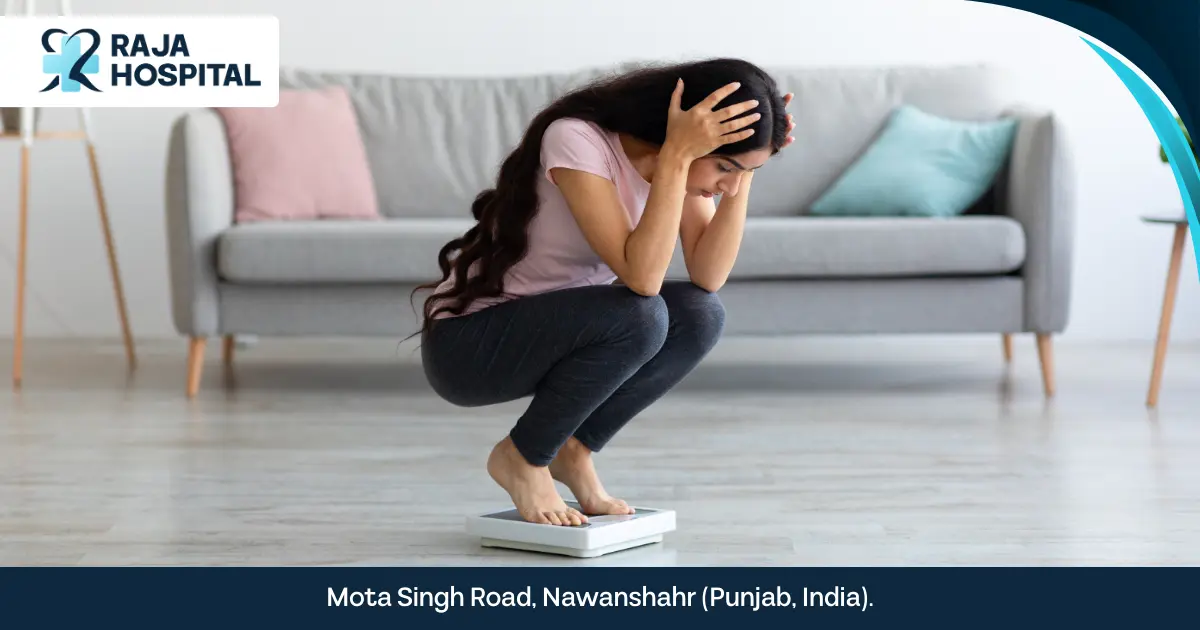
You step on the scale and blink twice. Wait… did I just lose 4 kilos in two weeks? Without skipping a single meal? Without touching a treadmill?
For a moment, it feels like a secret jackpot. But deep down, there’s a twinge of confusion. Maybe even fear. Because weight doesn’t just disappear. Not without a reason.
Unexplained weight loss isn’t just a surprise; it can be a silent scream from your body.
From hormone imbalances to hidden infections, your body might be waving a red flag you can’t afford to ignore.
In this post, I’ll break down the 9 most shocking reasons for sudden weight loss (that have nothing to do with dieting), the body signals you should look out for, and when it’s time to ditch Google and head straight to a doctor.
If you or someone you care about has been losing weight without trying… this might be the most important read of the month
The Confusing Reality of Losing Pounds Without Trying

We’ve been conditioned to celebrate weight loss. Compliments fly in “You look amazing!”, “What’s your secret?” even when you don’t have an answer.
But here’s the thing: not all weight loss is worth celebrating. When your clothes feel looser, but your lifestyle hasn’t changed… when your appetite’s the same, yet the scale keeps dipping, it’s not always a win. In fact, it could be the body’s way of telling you, “Hey, something’s off.”
Why This Blog Could Be a Wake-Up Call
This post isn’t here to scare you. It’s here to give clarity, because confusion can be dangerous when it comes to health.
Many people ignore the first signs of unhealthy weight loss, brushing them off as “just stress” or “a good phase.”
Truth is, unexplained weight loss is often one of the earliest symptoms of deeper issues, from metabolic disorders to serious illnesses.
This section is your reminder: weight lost without trying needs attention, not applause.
What’s Considered Sudden Weight Loss (And What’s Normal)?

Weight loss always feels like a good surprise… until it isn’t. Most people don’t realize there’s a line between intentional weight loss and the kind that happens without effort.
The first is controlled, safe, and empowering. The second? Mysterious, sudden, and sometimes deadly.
Before we dive into causes, let’s first understand what doctors actually mean by ‘sudden weight loss’, and how you can spot the difference between normal and alarming.
The Medical Definition of ‘Sudden’
Let’s draw a line between what’s “Wow, you’re glowing!” and what’s “You should probably get that checked.”
According to doctors, losing more than 5% of your body weight in 6 to 12 months without trying is considered sudden and unexplained.
So, if you’re 70 kg and drop 3.5 kg or more without changing your diet or exercise, it’s time to pay attention.
This isn’t the usual “holiday detox” or “post-breakup glow-up.” It’s weight loss that happens while life stays the same, and that’s what makes it suspicious.
Healthy Weight Loss vs. Unhealthy Weight Loss
Healthy weight loss is gradual, intentional, and backed by lifestyle shifts like eating better or moving more.
You feel more energetic, your sleep improves, and your skin often glows.
But unhealthy or sudden weight loss?
It creeps in silently. No calorie deficit. No new workout plan. And usually, other symptoms tag along:
- Fatigue
- Weakness
- Mood swings
- Digestive changes
- Hair thinning or dry skin
If the scale is moving but you’re feeling worse, not better, that’s your sign. Your body isn’t celebrating its screaming.
9 Hidden Causes Behind Unexplained Weight Loss
“It just happened… I didn’t do anything.” That’s the most common line doctors hear when someone walks in after losing weight without a clue why.
Here’s the uncomfortable truth: your body doesn’t lose weight for no reason. Even if your routine, diet, and sleep haven’t changed, something inside probably has.
Before jumping to conclusions or brushing it off, let’s uncover the hidden culprits that silently trigger weight loss without a diet in sight.
From Hyperthyroidism to Gut Issues: It’s Not Just Stress

We love blaming stress for everything. Can’t sleep? Stress. Skin breaking out? Stress. Weight loss? Must be stress.
But here’s the truth: while stress can play a role, there are far deeper and sneakier causes behind sudden weight loss.
Here are 9 medical and physiological reasons your body might be shedding weight without permission:
- Hyperthyroidism – An overactive thyroid speeds up your metabolism, leading to rapid weight loss, a racing heart, and sweating.
- Type 1 or Type 2 Diabetes (Early Stages) – When your body can’t use glucose properly, it starts burning fat and muscle.
- Depression or Mental Health Disorders – Mental health often messes with appetite and energy, creating unintentional weight drops.
- Cancer – Especially in organs like the pancreas, lungs, or stomach—weight loss is often the first visible sign.
- Chronic Infections (Like TB or HIV) – These conditions wear down your system silently, causing fatigue and dramatic weight changes.
- Digestive Disorders (Crohn’s, Celiac, Ulcers) – Poor absorption of nutrients can lead to weight loss even when you eat regularly.
- Addiction or Substance Abuse – Alcohol or drug use can silently impact your body’s ability to maintain weight.
- Uncontrolled Inflammation – Conditions like rheumatoid arthritis or lupus speed up metabolism during flare-ups.
- Medications – Certain prescriptions (like chemotherapy drugs, antidepressants, or heart meds) can reduce appetite or disrupt digestion.
Real-Life Examples That Might Sound Too Familiar
- Your friend who started looking “fit” but now skips meals because food upsets their stomach? Might be a gut issue.
- Your uncle, who lost weight and thought it was “age”? Could be undiagnosed diabetes.
- That co-worker who’s always tired, jittery, and shrinking fast? Could be a thyroid storm brewing.
Bottom line: your body doesn’t just “decide” to lose weight.
Warning Signs That Tag Along With Sudden Weight Loss

Your body isn’t subtle. When something’s off, it starts dropping breadcrumbs, tiny signs that most of us are too busy to notice (or we brush them off as “just tired” or “just aging”).
If you’re losing weight without trying, pay attention to these common tag-along symptoms:
- Chronic fatigue – No matter how much you sleep, you’re still drained.
- Loss of appetite – Meals don’t excite you anymore—or make you feel sick.
- Mood changes – Irritability, sadness, or unexplained anxiety sneak in.
- Muscle loss or weakness – You’re losing strength, not just fat.
- Changes in bowel habits – Frequent diarrhea or constipation.
- Hair thinning or skin dryness – Your body is undernourished.
- Frequent infections or slower healing – Your immunity is taking a hit.
These signals might seem minor on their own, but when paired with weight loss, they paint a very different picture.
What Your Skin, Energy & Sleep Are Telling You
Skin looking dull? Are wounds healing more slowly? Can’t focus or sleep well even after a full night’s rest?
These aren’t just “bad days.” They’re internal distress calls. Your body communicates in patterns. And when multiple small things start going wrong, weight loss becomes the red flag you can’t afford to ignore.
When Should You See a Doctor (And Not Google)?

There’s a fine line between “wait and watch” and “get checked now.”Unfortunately, most people cross it too late.
We live in a world where Googling symptoms feels faster than booking an appointment. But when it comes to unexplained weight loss, that delay can cost more than time. It can cost your health.
Here’s how to know when it’s time to shut the laptop and call your doctor instead.
Red Flag Combinations That Need Medical Help
If you notice any of the following paired with sudden weight loss, it’s your cue to seek professional help:
- Weight loss + constant fatigue – Could signal internal inflammation or cancer.
- Weight loss + digestive issues – May point to gut diseases like Crohn’s or ulcers.
- Weight loss + excessive thirst or urination – Classic signs of diabetes.
- Weight loss + anxiety or depression – Can indicate a mental health disorder or hormonal imbalance.
- Weight loss + fever or night sweats – Might be infection, TB, or lymphoma.
- Weight loss + visible muscle loss – Your body may be breaking down lean mass.
Frequently Asked Questions
Q1. Is sudden weight loss always a bad sign?
Not always, but if it’s unintentional and exceeds 5% of your body weight in under 6–12 months, it’s worth investigating. It could be harmless or the first sign of something serious.
Q2. How much weight loss is considered alarming?
Generally, losing more than 4–5 kg (or 5% of your body weight) without dieting or increasing physical activity is a red flag and should be evaluated.
Q3. Can anxiety cause unexplained weight loss?
Yes. Anxiety can suppress appetite and increase metabolism, leading to weight loss. But it’s crucial to rule out physical causes first.
Q4. What tests should I get for sudden weight loss?
Blood tests, thyroid function, blood sugar, stool tests, imaging scans (like ultrasound or CT), and possibly endoscopy, your doctor will guide based on symptoms.
Q5. How fast is too fast when it comes to losing weight?
Losing more than 1 kg per week consistently, without trying, is considered too fast and could signal an underlying health issue.
Conclusion
Losing weight without trying isn’t a mystery; it’s a message.And your job is to listen before it gets louder.
While shedding a few kilos might feel like a win, if you didn’t earn it through diet or exercise, it could be your body waving a red flag.
Here’s a quick recap of what we covered:
- Sudden weight loss (5% or more of body weight) over 6–12 months without trying is a warning sign.
- It’s often tied to hidden health issuesfrom thyroid imbalances to gut disorders, mental health, or even cancer.
- Body signals matter. Fatigue, appetite changes, skin, and mood shifts are all part of the bigger picture.
- Red flag combinations shouldn’t be ignored, especially when weight loss is paired with fever, pain, or weakness.
If anything in this article sounded familiar, don’t wait for things to get worse. Your body is clearly trying to tell you something, and early diagnosis can make all the difference.
Visit Raja Hospital. Let a real doctor, not Google, figure it out.Because your health deserves action, not assumptions.