
COPD in Nawanshahr: 9 Symptoms You Shouldn’t Ignore!
REVIEWED BY DR. SHOKET ALI (MD MEDICINE) on 30 june 2026.
A cough that doesn’t leave. Breathlessness after climbing a few stairs. A whistling sound while breathing. Extra mucus every morning.
Most people don’t panic when these symptoms start. They assume it is because of changing weather, aging, weakness, smoking, or a simple chest infection. And that is where the real problem often starts.
Because COPD rarely enters your life like an emergency. It usually comes quietly. First, it steals a little stamina. Then it makes walking uncomfortable. Then stairs feel heavier. Then even normal daily work starts feeling like a task.
COPD, or Chronic Obstructive Pulmonary Disease, is a long-term lung condition that limits airflow and makes breathing difficult. It commonly includes chronic bronchitis and emphysema, and smoking is one of the major causes.
For people searching about COPD in Nawanshahr, the biggest challenge is not just the disease. It is unawareness.
Many people don’t know the early signs. Many ignore triggers like cigarette smoke, vaping, secondhand smoke, dust, pollution, and repeated chest infections. Some keep taking cough syrups or home remedies for weeks without knowing whether their lungs need proper evaluation.
And this is exactly why COPD should not be taken lightly.
A long-lasting cough, mucus, shortness of breath during physical activity, wheezing, and chest tightness can be warning signs that need medical attention. Not everyone with these symptoms has COPD, but only a doctor can confirm whether it is COPD or another breathing-related condition.
This blog will help you understand COPD in a simple way what it is, why smokers and people above 40 should be more careful, what early symptoms to watch for, what triggers can make it worse, how COPD is diagnosed, and when you should consult a doctor for breathing problems in Nawanshahr.
Because breathing difficulty is not something you should “adjust” with.
Sometimes the lungs don’t shout for help. They whisper first.
And this article is about learning how to hear those whispers before they turn into something serious.
Breathing Problems Are Not Always “Just Age”
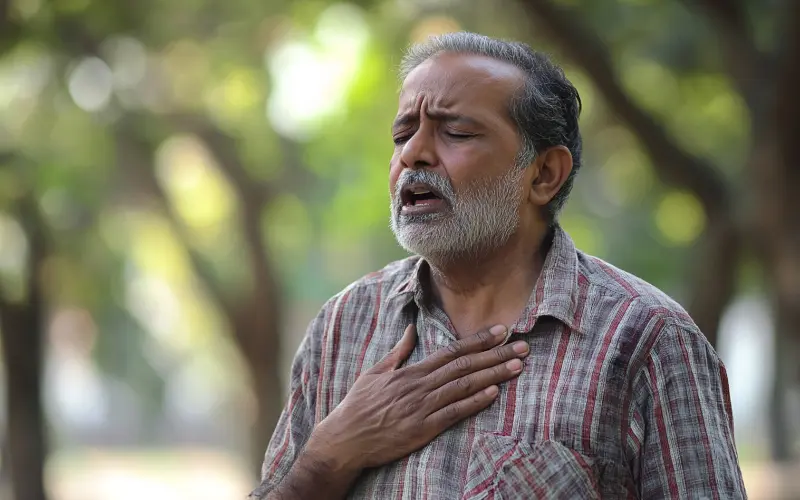
Most people do not take breathing problems seriously in the beginning. Not because they are careless. Because the symptoms look too normal.
- A little cough? Maybe weather.
- Mucus in the morning? Maybe smoking.
- Breathlessness while climbing stairs? Maybe age.
- Wheezing at night? Maybe chest congestion.
This is how COPD often gets ignored.
The problem is that COPD does not always feel dangerous at first. It can slowly become a part of your daily routine without you noticing it. You may start walking slower. You may avoid stairs. You may feel tired after small tasks. You may sit down more often during work. And after some time, these small adjustments start feeling normal.
But they are not always normal.
Here’s what many people tell themselves
- “It is just because I am getting older.”
- “It happens because I smoke.”
- “It will get better after the weather changes.”
- “I only feel breathless when I walk fast.”
- “It is just weakness.”
- “I have always had a cough.”
These thoughts delay the right diagnosis. And in COPD, delay can make the condition harder to manage.
When should breathing problems feel concerning?
You should not ignore symptoms if:
- Your cough stays for many days or keeps coming back
- You regularly bring up mucus or phlegm
- You feel breathless during normal activities
- You hear a whistling sound while breathing
- Your chest feels tight
- You feel tired more easily than before
- You have repeated chest infections
- Your breathing problem is slowly affecting your daily routine
This does not mean every cough is COPD.
But if your breathing has changed, your body is giving you a signal. And signals should be checked, not adjusted around.
The real issue is not age. It is assumption.
Age can reduce stamina. But age should not make you struggle for breath during simple tasks.
Smoking can cause cough. But that does not mean a smoker should accept daily coughing as normal.
Weather can irritate the chest. But weather should not become the excuse for ignoring repeated breathing problems.
That is the mindset shift people need. COPD becomes risky when people keep explaining away the symptoms instead of getting them evaluated. The earlier you understand what is happening, the better you can protect your lungs and daily quality of life.
For anyone worried about COPD in Nawanshahr, the first step is simple: do not panic, but do not ignore the signs either. Breathing is basic. So when breathing starts feeling difficult, it deserves attention.
What Is COPD?
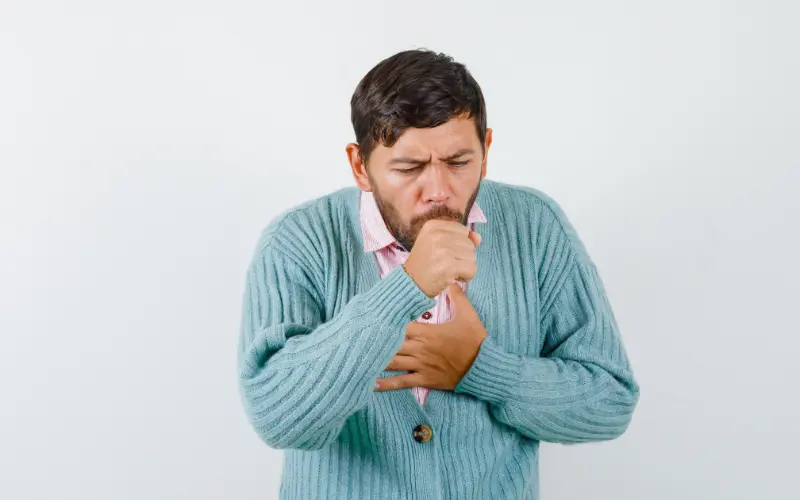
COPD stands for Chronic Obstructive Pulmonary Disease. Sounds complicated, right?
But the meaning is simple. COPD is a long-term lung condition where the airways become narrow, damaged, or blocked, making it harder for air to move in and out of the lungs.
In simple words: your lungs do not get airflow as freely as they should.
Let’s understand it like this
Imagine your lungs as a pair of air-filled balloons. When the lungs are healthy, air moves in and out smoothly. You breathe in, oxygen enters your body. You breathe out, carbon dioxide leaves your body.
But in COPD, this smooth airflow gets disturbed.
This can happen because:
- The airways become swollen
- The airways produce extra mucus
- The lung tissues lose their flexibility
- Air gets trapped inside the lungs
- Breathing out becomes harder than normal
That is why many COPD patients feel like they cannot empty their lungs properly.
They may breathe in, but still feel breathless.
COPD is not just one problem
COPD is usually linked with two major lung conditions:
1. Chronic Bronchitis
This happens when the airways stay irritated and inflamed for a long time.
People with chronic bronchitis often have:
- Long-term cough
- Regular mucus or phlegm
- Chest congestion
- Breathlessness
- Repeated chest infections
2. Emphysema
This affects the tiny air sacs inside the lungs. These air sacs help oxygen enter the blood. When they get damaged, the lungs cannot work as efficiently as before.
People with emphysema may feel:
- Shortness of breath
- Difficulty breathing during activity
- Less stamina
- Tiredness
- A feeling of not getting enough air
Why COPD slowly becomes worse
One of the biggest problems with COPD is that it does not usually become severe overnight.
It builds slowly.
In the beginning, a person may only feel mild cough or breathlessness after physical work. But with time, the symptoms may become more frequent and more noticeable.
Here is how it can progress:
| Early Stage | Later Stage |
| Cough comes and goes | Cough becomes regular |
| Breathlessness during heavy work | Breathlessness during normal activities |
| Occasional mucus | Daily mucus or phlegm |
| Mild tiredness | Low stamina and fatigue |
| Symptoms feel manageable | Daily routine gets affected |
This is why early awareness matters.
When COPD is ignored, people often keep reducing their activity without realizing it. They walk less. They avoid stairs. They stop doing tasks that make them breathless.
Slowly, their lifestyle becomes smaller because their breathing does not support their normal routine anymore.
COPD is manageable, but ignoring it is not
COPD may be a long-term condition, but that does not mean a person should lose hope.
With proper diagnosis, medical care, lifestyle changes, and avoiding triggers like smoking, vaping, dust, and pollution, many people can manage their symptoms better and improve their quality of life.
The key is not to wait until breathing becomes very difficult.
If cough, mucus, wheezing, or breathlessness keeps returning, it is better to get checked early rather than guessing at home.
Early Symptoms of COPD You Should Not Ignore
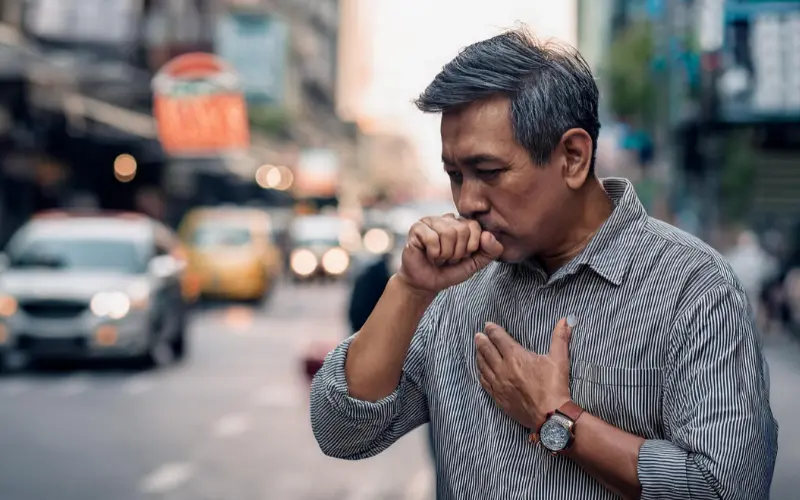
COPD does not always begin with severe breathing trouble.
In many people, it starts with small symptoms that look harmless. That is why the early stage is often missed. People keep waiting for the cough to go away, the weakness to improve, or the breathing to become normal again.
But when these signs keep coming back, they should not be ignored.
Here are the 9 warning signs of COPD that people in Nawanshahr should watch carefully.
1. A Cough That Does Not Go Away
A normal cough usually improves within a few days or weeks. But if your cough stays for a long time, keeps returning, or becomes a part of your daily routine, it may be more than just a seasonal issue.
This is especially important if you:
- Smoke or vape
- Work around dust or fumes
- Have repeated chest infections
- Feel breathless along with cough
- Cough more in the morning or at night
A long-lasting cough is one of the most commonly ignored breathing symptoms.
2. Regular Mucus or Phlegm
Mucus is your body’s way of protecting the airways. But when you are bringing up phlegm regularly, especially in the morning, it can be a sign that your lungs or airways are irritated.
People often say, “This happens because I smoke.”
That may be true.
But that is exactly why it should be checked.
Daily mucus is not something your lungs produce without a reason.
3. Breathlessness During Routine Activities
Breathlessness after running or heavy exercise can happen. But feeling breathless during normal activities is different.
Pay attention if you feel short of breath while:
- Walking at a normal pace
- Climbing stairs
- Doing household work
- Carrying groceries
- Speaking for long
- Getting dressed
- Taking a bath
If daily tasks start feeling harder because of your breathing, your lungs may need medical evaluation.
4. Wheezing or Whistling Sound While Breathing
Wheezing sounds like a whistling or musical sound when you breathe.
It may happen more at night, after walking, during weather changes, or when you are exposed to smoke, dust, or pollution.
Wheezing usually means the airways are narrowed or irritated.
It should not be ignored if it keeps happening again and again.
5. Chest Tightness
Some people with breathing problems do not describe it as pain.
They say things like:
- “My chest feels heavy.”
- “There is pressure in my chest.”
- “I cannot take a full breath.”
- “My chest feels blocked.”
Chest tightness can happen due to different reasons, and not all of them are COPD. But when it comes with cough, mucus, wheezing, or breathlessness, it should be checked by a doctor.
6. Tiredness Without a Clear Reason
When your lungs are not working properly, your body may not get oxygen as efficiently as it should. That can make you feel tired even after small tasks.
This type of tiredness is different from normal fatigue. It can make you feel like your body is slowing down even when you have not done much.
You may notice:
- Less energy than before
- Need for more rest breaks
- Difficulty finishing routine work
- Reduced interest in physical activity
- Feeling drained after simple movement
Many people blame this on age or weakness, but breathing-related fatigue should not be ignored.
7. Repeated Chest Infections
Frequent chest infections can be a warning sign that your lungs are under stress.
If you often get cough, congestion, phlegm, fever, or breathing trouble, and it keeps returning after treatment, it is worth getting your lungs checked properly.
Repeated chest infections may also make existing breathing problems worse.
8. Reduced Stamina Over Time
This is one of the most silent signs.
- You may not suddenly feel sick.
- Instead, you slowly start doing less.
- You walk shorter distances.
- You avoid stairs.
- You sit more often.
- You stop doing work that needs physical effort.
- You choose easier routes without thinking much about it.
This slow reduction in stamina can happen when breathing problems are gradually affecting your lifestyle.
9. Symptoms That Get Worse with Smoke, Dust, or Pollution
If your cough, wheezing, or breathlessness becomes worse after exposure to triggers, your lungs may be sensitive or irritated.
Common triggers include:
- Cigarette smoke
- Vaping
- Secondhand smoke
- Road dust
- Air pollution
- Crop residue smoke
- Winter smog
- Workplace fumes
- Strong smells
- Chemical sprays
If you notice a pattern between these triggers and your breathing problems, do not ignore it.
A Simple Self-Check
Ask yourself these questions:
| Question | Why It Matters |
| Do I cough most days? | Long-term cough can be a warning sign |
| Do I bring up mucus regularly? | Regular phlegm may show airway irritation |
| Do I get breathless faster than before? | Reduced stamina can point to lung trouble |
| Do I wheeze at night or after activity? | Wheezing may mean narrowed airways |
| Do smoke, dust, or pollution worsen my symptoms? | Triggers can reveal breathing sensitivity |
| Am I above 40 and having these symptoms? | Age can increase the need for evaluation |
| Do I smoke or vape? | Smoke exposure increases lung risk |
If you answered “yes” to more than one of these, it does not automatically mean you have COPD.
But it does mean your symptoms deserve attention.
Do Not Wait for Symptoms to Become Severe
The biggest mistake people make is waiting until breathing becomes unbearable.
COPD is easier to manage when it is identified early. If you are searching for COPD in Nawanshahr because you or someone in your family has cough, mucus, wheezing, or breathlessness, the right step is to get a proper medical evaluation instead of guessing.
Breathing problems are not meant to be adjusted around. They are meant to be understood.
Main Causes and Triggers of COPD

COPD usually does not happen because of one bad day of cough or one episode of chest infection.
It often develops after the lungs are exposed to irritation again and again over a long period. The airways become inflamed, mucus production may increase, and breathing slowly becomes harder than before.
For many people, the biggest risk factor is smoke. But smoke is not the only reason. Dust, pollution, fumes, repeated infections, and long-term exposure to harmful particles can also affect lung health.
Let’s understand the common causes and triggers.
1. Cigarette Smoking
Smoking is one of the most common causes of COPD.
When a person smokes for years, the harmful chemicals in cigarette smoke can irritate and damage the lungs. Over time, the airways may become narrow, swollen, and less efficient at moving air in and out.
The tricky part is that many smokers get used to coughing.
They may think:
- “This is normal because I smoke.”
- “It is only morning cough.”
- “It will settle after tea or warm water.”
- “I can still manage, so it is not serious.”
But a regular cough, mucus, wheezing, or breathlessness should not be accepted as a normal part of smoking. These signs may indicate that the lungs are already under stress.
2. Vaping and E-Cigarettes
Many people believe vaping is harmless because it does not look or smell like traditional smoking.
That belief can be risky.
Vaping and e-cigarettes can still expose the lungs to chemicals and irritants. For someone who already has cough, wheezing, chest tightness, or breathing difficulty, vaping may worsen irritation in the airways.
The problem with vaping is psychological too. Because it feels “lighter” than smoking, people may use it more casually and more frequently. But the lungs are not designed to inhale chemical vapors again and again.
So, if a person is worried about COPD or breathing problems, vaping should not be treated as a safe habit.
3. Secondhand Smoke
You do not have to smoke yourself to be affected by smoke.
Living or working around people who smoke can also irritate the lungs. This is called secondhand smoke exposure.
It can be especially concerning for:
- Elderly people
- Children
- People with asthma or allergies
- People with frequent chest infections
- People who already have breathing problems
- Family members of regular smokers
If someone at home smokes indoors, the smoke does not affect only that person. It affects the air everyone breathes.
For lung health, a smoke-free home and workplace can make a meaningful difference.
4. Dust and Air Pollution
Dust and pollution are common breathing irritants.
In daily life, exposure can come from road dust, construction work, vehicle smoke, industrial pollution, winter smog, and poor air quality. For people with sensitive lungs, these triggers can worsen cough, wheezing, and breathlessness.
The effect may not always be immediate. Sometimes the symptoms increase slowly after repeated exposure.
You may notice that breathing feels worse:
- During dusty weather
- Near construction areas
- While travelling on busy roads
- In winter smog
- After outdoor exposure
- When air quality is poor
This is why people with recurring breathing problems should be careful about their environment, not just their medicines.
5. Smoke from Burning and Indoor Air Pollution
Smoke from burning wood, crop residue, garbage, coal, or other fuels can irritate the lungs.
Indoor smoke can be equally harmful, especially when ventilation is poor. In some homes, cooking smoke or indoor burning may expose family members to lung irritants for years without them realizing the impact.
If the kitchen, room, or workplace often feels smoky, heavy, or poorly ventilated, it can affect breathing comfort over time.
Simple steps like improving ventilation, avoiding indoor smoke, and reducing exposure can help protect the lungs.
6. Workplace Fumes and Chemicals
Some people are exposed to dust, gases, fumes, or chemicals because of their work.
This may include people working in:
- Factories
- Farms
- Construction sites
- Workshops
- Mills
- Cleaning chemical environments
- Paint or spray-related work
- Places with regular smoke or fumes
When a person breathes these irritants daily, the lungs may remain inflamed for a long time.
A mask, better ventilation, protective equipment, and regular medical checkups become important when your work environment affects your breathing.
7. Repeated Chest Infections
Frequent chest infections can make breathing problems worse.
A person may recover from one infection, then get another after a few weeks or months. Over time, repeated inflammation can weaken lung function and increase sensitivity in the airways.
This is why recurring cough, phlegm, fever, chest congestion, or breathing difficulty should not be treated casually.
If infections keep coming back, it is better to find out why instead of taking temporary treatment again and again.
8. Weather Changes and Winter Smog
Many people notice that their breathing becomes worse during weather changes, especially in colder months.
Cold air, fog, pollution, and smog can irritate the airways. For someone with COPD or early breathing issues, winter can make symptoms more noticeable.
Common complaints during this time include:
- More cough
- More mucus
- Wheezing at night
- Chest heaviness
- Breathlessness while walking
- Difficulty sleeping due to breathing discomfort
Weather may trigger symptoms, but it should not be used as an excuse to ignore them.
If the same breathing problem returns every season or becomes worse each year, it needs proper evaluation.
The Important Thing to Remember
COPD risk is not only about one habit. It is about repeated exposure.
- A smoker who also lives in a polluted area may have a higher risk.
- A person above 40 who works around dust may need to be more careful.
- Someone with frequent chest infections and secondhand smoke exposure should not ignore symptoms.
Your lungs remember what they are exposed to. That is why reducing triggers is not just a lifestyle tip. It is part of protecting your breathing for the future.
Age Factor: Why People Above 40 Should Be More Careful

COPD usually develops slowly, which means symptoms may not feel serious in the early stage. After the age of 40, repeated cough, mucus, wheezing, or breathlessness should not be ignored as “normal aging.”
COPD Symptoms Can Look Like Age-Related Weakness
Many people confuse breathing problems with low stamina, but both are not the same.
- Feeling tired after heavy work can be normal
- Feeling breathless during routine activities needs attention
- Slower walking speed may hide an early breathing issue
- Avoiding stairs again and again may be a silent sign
- Taking more breaks than before can indicate reduced lung capacity
Why COPD Is Often Noticed Later in Life
COPD damage usually builds over years, so symptoms may become clearer with age.
- Long-term smoking can affect the lungs gradually
- Vaping may also irritate the airways over time
- Dust and pollution exposure can slowly impact breathing
- Repeated chest infections may weaken lung health
- Many people ignore mild symptoms until daily life is affected
When Breathlessness Is Not Normal Aging
Age may reduce energy, but it should not make breathing difficult during simple tasks.
- Breathlessness while walking at a normal pace
- Difficulty climbing a few stairs
- Chest tightness during routine work
- Wheezing while resting or sleeping
- Needing to stop frequently to catch your breath
- Feeling breathless while bathing, dressing, or speaking for long
Smokers Above 40 Should Be Extra Careful
For smokers, symptoms like cough and mucus are often normalized, which can delay diagnosis.
- A daily cough should not be accepted as harmless
- Morning phlegm may be a sign of airway irritation
- Breathlessness after smoking should not be ignored
- Wheezing can indicate narrowed or irritated airways
- Long-term smoking history increases the need for lung evaluation
Do Not Wait Until Your Routine Shrinks
One hidden sign of COPD is when a person starts changing habits to avoid breathlessness.
- You stop walking long distances
- You avoid stairs even when you can use them
- You sit down more often during work
- You reduce outdoor activity
- You depend more on others for simple tasks
- You feel nervous about doing activities that require movement
The Simple Rule After 40
After 40, breathing changes deserve more attention, especially if symptoms keep returning.
- Do not ignore a cough that stays for weeks
- Do not normalize daily mucus
- Do not blame every breathing issue on age
- Do not self-medicate repeatedly without diagnosis
- Do not wait for severe breathlessness before seeing a doctor
Age can slow the body down, but breathing difficulty should never become something you silently adjust to.
How COPD Is Diagnosed

COPD cannot be confirmed by guessing symptoms at home. A proper diagnosis helps the doctor understand whether the problem is COPD, asthma, infection, allergy, or another lung-related condition.
Doctor Consultation and Medical History
The first step is understanding your symptoms, habits, and exposure history.
- How long have you had cough, mucus, or breathlessness?
- Do symptoms get worse during walking, stairs, or physical work?
- Do you smoke, vape, or live around secondhand smoke?
- Are you exposed to dust, pollution, smoke, or workplace fumes?
- Do you get repeated chest infections?
- Is there any history of asthma, allergies, or lung disease?
- Are symptoms worse in winter, at night, or after exposure to triggers?
Chest Examination
A doctor may examine your breathing to check for signs of airway narrowing or chest congestion.
- Listening for wheezing or abnormal breathing sounds
- Checking if breathing looks laboured
- Looking for signs of chest tightness or congestion
- Understanding whether symptoms are mild, moderate, or severe
- Checking if the breathing issue is sudden or long-term
Oxygen Level Check
Oxygen level testing helps understand how well your lungs are supporting your body.
- A small device may be placed on the finger
- It checks oxygen saturation in the blood
- Low oxygen levels may need urgent attention
- It helps assess the seriousness of breathlessness
- It is useful when patients feel tired, dizzy, or unusually weak
Spirometry Test
Spirometry is one of the most important tests used to evaluate COPD.
- It checks how much air you can breathe out
- It measures how quickly air comes out of your lungs
- It helps detect airflow limitation
- It can help differentiate COPD from some other breathing problems
- It helps the doctor understand the stage and severity of lung function changes
Chest X-Ray or Imaging Tests
A chest X-ray may be advised when the doctor wants to rule out other causes of symptoms.
- It can help check for infection
- It may show signs of lung changes
- It helps rule out other chest conditions
- It may be suggested if cough or breathlessness is persistent
- It supports the overall diagnosis, but it does not replace lung function testing
Blood Tests or Other Tests If Needed
Sometimes, additional tests may be recommended depending on the patient’s condition.
- To check for infection
- To assess overall health
- To understand the cause of weakness or tiredness
- To evaluate other conditions that may affect breathing
- To guide the right treatment plan
Why Self-Diagnosis Can Be Risky
Many breathing problems look similar in the beginning, so assuming the cause can delay proper care.
- COPD can be mistaken for asthma
- Chest infection can be mistaken for normal cough
- Allergy can be mistaken for COPD
- Heart-related breathlessness can sometimes feel like lung-related breathlessness
- Taking random cough syrups or inhalers without diagnosis may not solve the real issue
The Goal of Diagnosis
The purpose of diagnosis is not only to name the disease, but to understand what your lungs need.
- Is the breathing problem temporary or long-term?
- Are the airways narrowed or inflamed?
- Is smoking, vaping, dust, or pollution making it worse?
- Does the patient need medicines, inhalers, lifestyle changes, or further testing?
- How can symptoms be controlled before they affect daily life more seriously?
For anyone worried about COPD in Nawanshahr, diagnosis is the turning point. Once the cause of cough, mucus, wheezing, or breathlessness is clear, treatment becomes more focused and less dependent on guesswork.
When Should You Consult a Doctor for COPD in Nawanshahr?

Breathing problems should not be ignored when they keep coming back or start affecting daily life. Early consultation can help identify the cause and prevent symptoms from becoming worse.
Signs That You Should See a Doctor
If these symptoms are frequent, worsening, or disturbing your routine, it is better to get checked.
- Cough lasting for more than a few weeks
- Regular mucus or phlegm production
- Breathlessness while walking or climbing stairs
- Wheezing or whistling sound while breathing
- Chest tightness or heaviness
- Repeated chest infections
- Tiredness after small physical tasks
- Breathing discomfort that worsens with smoke, dust, or pollution
- Symptoms becoming worse in winter or at night
- Difficulty sleeping due to cough or breathlessness
- Needing frequent cough medicines without lasting relief
- Sudden severe breathlessness or bluish lips needs urgent medical attention
COPD Treatment in Nawanshahr at Raja Hospital

COPD treatment depends on the patient’s symptoms, lung condition, age, and triggers.
The goal is to reduce breathing difficulty, control symptoms, and prevent the condition from getting worse.
How COPD Treatment May Help
Treatment should always be planned after proper medical evaluation.
- Identifying the actual cause of cough, mucus, wheezing, or breathlessness
- Checking how much the breathing problem is affecting daily life
- Prescribing medicines or inhalers if needed
- Helping reduce airway irritation and breathing discomfort
- Guiding patients on correct inhaler use
- Managing repeated chest infections or flare-ups
- Advising lifestyle changes to protect lung health
- Supporting smoking and vaping cessation
- Reducing exposure to dust, smoke, pollution, and fumes
- Planning long-term care for better symptom control
How to Prevent COPD from Getting Worse

COPD symptoms can be managed better when triggers are controlled early. Small lifestyle changes can protect lung health and reduce repeated breathing discomfort.
Prevention Tips to Protect Your Lungs
Follow these steps regularly to reduce irritation and support better breathing.
- Quit smoking completely
- Avoid vaping and e-cigarettes
- Stay away from secondhand smoke
- Avoid dusty and polluted areas when possible
- Use a mask in smoke, dust, or poor air quality
- Keep rooms well-ventilated
- Avoid burning garbage, wood, or crop waste nearby
- Do not ignore repeated chest infections
- Take prescribed medicines or inhalers correctly
- Do not self-medicate with random cough syrups
- Stay physically active as advised by the doctor
- Drink enough water to help manage mucus
- Avoid strong smells, sprays, and chemical fumes
- Get breathing symptoms checked before they worsen
- Follow regular doctor visits if COPD is already diagnosed
Frequently Asked Questions
1. What are the early symptoms of COPD?
Early symptoms of COPD may include long-lasting cough, regular mucus or phlegm, wheezing, chest tightness, breathlessness during routine work, low stamina, and repeated chest infections. These symptoms should not be ignored if they keep coming back.
2. Is COPD common in smokers?
Yes, COPD is commonly seen in people with a long history of smoking. A daily cough, morning mucus, or breathlessness should not be accepted as normal just because a person smokes.
3. Can vaping cause breathing problems?
Yes, vaping can irritate the lungs and may worsen cough, wheezing, chest tightness, or breathlessness. People who already have breathing symptoms should avoid vaping and get their lungs evaluated.
4. At what age does COPD usually start?
COPD usually develops slowly over many years, and symptoms are often noticed after the age of 40. However, people with smoking, vaping, pollution, dust, or fume exposure should be careful even earlier if symptoms appear.
5. Which test is used to diagnose COPD?
Spirometry is commonly used to evaluate COPD because it checks airflow and lung function. A doctor may also suggest oxygen level checks, chest examination, X-ray, or other tests depending on the patient’s symptoms.
Struggling with same?
Book Your Appointment With Our Expert Doctors

Conclusion
COPD can start quietly, but it should never be ignored. A long-lasting cough, regular mucus, wheezing, chest tightness, or breathlessness during routine work may look small in the beginning. But when these symptoms keep coming back, they can slowly affect walking, sleep, work, energy, and overall quality of life. The biggest mistake is waiting until breathing becomes difficult every day.
If you smoke, vape, are exposed to dust or pollution, have repeated chest infections, or are above 40, take breathing changes seriously. Early diagnosis and proper treatment can help manage symptoms better and protect your lung health.
For COPD treatment in Nawanshahr, chronic cough, wheezing, mucus, or breathing problems, visit Raja Hospital Nawanshahr for consultation and proper evaluation.