High-Risk Pregnancy Care in Nawanshahr: 9 Signs You Should Never Ignore!

REVIEWED BY Dr. Lakshita Saini (MBBS, MS Obs & Gynae) on 31 July 2026.
Hearing the words “high-risk pregnancy” can instantly make an expecting mother and her family fear the worst. Suddenly, every pain feels alarming. Every unusual symptom leads to an online search. And every piece of advice from relatives creates even more confusion.
But a high-risk pregnancy does not necessarily mean that something will go wrong. It simply means that the mother, the baby, or both may require closer monitoring and a more personalised care plan. Regular prenatal appointments, timely tests, and early medical attention can help doctors identify concerns and manage them appropriately. Women with higher-risk pregnancies may also need more frequent checkups based on their individual health needs.
The real danger is not always the risk itself. Sometimes, it is waiting too long to consult a gynaecologist because a symptom appears minor, assuming that every discomfort is a normal part of pregnancy, or relying on general advice that may not be suitable for your condition.
Warning signs such as vaginal bleeding, severe abdominal pain, fluid leakage, breathing difficulty, persistent headache, vision changes, sudden swelling, fever, and reduced baby movement should not be ignored. These symptoms require timely medical assessment because they may indicate a pregnancy complication.
In this guide, you will learn what makes a pregnancy high risk, which nine warning signs need attention, what checkups may be required, and how proper delivery planning can support the health of both mother and baby.
What Is a High-Risk Pregnancy?

A high-risk pregnancy means the mother, the baby, or both may need closer medical attention than usual. The term sounds worrying, but it does not mean that complications are certain. It simply helps the gynaecologist create a more careful and personalised pregnancy plan.
A pregnancy may be considered high risk because of:
- High blood pressure or diabetes
- Thyroid problems or severe anaemia
- Twin or multiple pregnancy
- Previous miscarriages or pregnancy complications
- Maternal age or existing health conditions
- Concerns related to the placenta, baby’s growth, or amniotic fluid
Some pregnancies are high risk from the beginning. Others become high risk when a health concern develops during pregnancy.
Does High Risk Mean a Difficult Delivery?
Not always. Many women with high-risk pregnancies deliver healthy babies with timely checkups, proper monitoring, and the right medical support.
Depending on the condition, the mother may need:
- More frequent prenatal appointments
- Additional blood and urine tests
- Regular ultrasound scans
- Closer monitoring of the baby’s growth and heartbeat
- A carefully planned delivery
A high-risk pregnancy also does not automatically mean that a Caesarean delivery will be required. The delivery method depends on the health of the mother and baby at that time.
Why Early Identification Matters
Some pregnancy complications may not show clear symptoms in the early stages. Regular checkups can help detect changes in blood pressure, blood sugar, haemoglobin levels, fetal growth, or placental health before the condition becomes serious.
Early detection gives the medical team more time to:
- Monitor the pregnancy carefully
- Start appropriate treatment
- Reduce avoidable risks
- Prepare for delivery in advance
- Respond quickly if the condition changes
The goal is not to create fear. It is to stay one step ahead through awareness, timely care, and regular communication with the gynaecologist.
What Can Make a Pregnancy High Risk?

A pregnancy can become high risk for many reasons. Sometimes, the risk is known before conception. In other cases, it develops during pregnancy.
The important thing is not to panic. The sooner the risk is identified, the easier it becomes to plan the right care.
Common Factors That May Increase Pregnancy Risk
- High blood pressure: It may affect blood flow to the placenta and increase the risk of complications.
- Diabetes: Existing diabetes or gestational diabetes may affect the mother’s health and the baby’s growth.
- Thyroid disorders: Uncontrolled thyroid levels may interfere with pregnancy and fetal development.
- Severe anaemia: Low haemoglobin can cause weakness and reduce the oxygen supply needed by the mother and baby.
- Twin or multiple pregnancy: Carrying more than one baby often requires closer growth and delivery monitoring.
- Maternal age: Pregnancy below 18 or above 35 may need additional observation.
- Previous pregnancy complications: Miscarriage, premature delivery, stillbirth, preeclampsia, or difficult labour may increase risk in the next pregnancy.
- Previous Caesarean delivery: The gynaecologist may need to examine the previous surgical history and plan the safest delivery method.
- Placenta-related problems: A low-lying placenta or early placental separation requires immediate medical attention.
- Baby’s growth concerns: A baby growing too slowly or too quickly may need regular scans and monitoring.
- Low or excessive amniotic fluid: Abnormal fluid levels can affect the baby’s development and delivery planning.
Can a Healthy Woman Develop a High-Risk Pregnancy?
Yes. A woman may begin pregnancy without any known health problem and still develop complications later. Conditions such as gestational diabetes, pregnancy-related high blood pressure, bleeding, infections, or reduced fetal growth can appear unexpectedly.
That is why prenatal checkups should not be skipped simply because the mother feels healthy.
Who May Need Closer Monitoring?
Extra care may be recommended when the mother:
- Has an existing medical condition
- Is carrying twins or triplets
- Has experienced repeated miscarriages
- Develops bleeding, swelling, or high blood pressure
- Notices reduced baby movement
- Has abnormal blood test or ultrasound results
Every high-risk pregnancy is different. A care plan that works for one mother may not be suitable for another, so regular assessment by a gynaecologist is essential.
When Should You Consult a Gynaecologist?

You should not wait for a serious symptom before seeking medical advice. Early consultation gives the gynaecologist time to understand your health, identify possible risks, and plan the right care from the beginning.
Consult Before Pregnancy When Possible
A pre-pregnancy consultation is especially helpful if you have:
- Diabetes, high blood pressure, or thyroid problems
- A history of miscarriage or premature delivery
- A previous complicated pregnancy
- A previous Caesarean delivery
- Epilepsy, heart disease, kidney disease, or another long-term condition
- Regular medicines that may need to be reviewed
This appointment can help you prepare your body, adjust medicines safely, and understand possible risks before conception.
Book an Early Pregnancy Checkup
Once pregnancy is confirmed, schedule your first appointment without unnecessary delay.
During the early visit, the gynaecologist may review:
- Your medical and pregnancy history
- Current medicines and supplements
- Blood pressure and general health
- Basic blood and urine tests
- The need for an early ultrasound
- Your expected checkup schedule
The earlier your doctor understands your condition, the easier it is to personalise your pregnancy care.
You May Need More Frequent Appointments If:
- Your blood pressure or blood sugar is high
- You are carrying twins or multiple babies
- The baby’s growth needs closer monitoring
- You have bleeding, pain, or fluid leakage
- Your test or ultrasound results need follow-up
- You have a previous history of pregnancy complications
More appointments do not always mean something is wrong. They often mean your medical team is taking extra precautions.
Do Not Ignore New or Unusual Symptoms
Pregnancy brings many normal changes, but not every symptom should be dismissed as routine. Contact your gynaecologist when a symptom feels severe, appears suddenly, keeps getting worse, or simply does not feel normal to you. It is always safer to ask early than to wait and wonder.
9 Pregnancy Danger Signs You Should Never Ignore

Pregnancy can bring tiredness, nausea, mild aches, and other changes. But some symptoms are not routine pregnancy discomforts. When any of the following signs appear, contact your gynaecologist or visit the hospital promptly.
1. Vaginal Bleeding
Light spotting can occur for different reasons, but bleeding during pregnancy should always be discussed with a doctor.
Seek immediate care when the bleeding is:
- Heavy or increasing
- Bright red
- Accompanied by clots
- Combined with pain, dizziness, or weakness
2. Severe or Persistent Abdominal Pain
Mild stretching sensations may occur as the body changes. Severe, sudden, one-sided, or persistent pain needs medical assessment.
Do not ignore pain that:
- Does not improve with rest
- Comes with bleeding
- Is accompanied by fever or vomiting
- Feels unusually intense
3. Fluid Leaking from the Vagina
A sudden gush or continuous trickle of watery fluid may indicate that the water has broken. Do not assume it is normal discharge or urine leakage. Contact the hospital, especially when it happens before the expected delivery date.
4. Severe Headache That Does Not Improve
A strong or persistent headache can sometimes be linked to high blood pressure during pregnancy.
It requires urgent attention when accompanied by:
- Blurred vision
- Flashing lights or spots
- Sudden swelling
- Pain below the ribs
- Nausea or breathing difficulty
5. Sudden Swelling of the Face or Hands
Mild swelling of the feet can be common, particularly later in pregnancy. However, sudden or excessive swelling of the face, hands, or around the eyes should not be ignored especially when it appears with a headache or vision changes.
6. Reduced or Absent Baby Movement
Every baby develops an individual movement pattern. A noticeable reduction or sudden change may require immediate assessment.
Do not wait until the next day or rely on home remedies when the baby is moving less than usual.
7. Breathing Difficulty or Chest Pain
Breathlessness after physical activity can occur during pregnancy, but sudden or severe breathing difficulty is different.
Seek emergency care for:
- Chest pain
- Fainting or severe dizziness
- A very fast heartbeat
- Blue lips or extreme weakness
- Difficulty speaking because of breathlessness
8. High Fever or Signs of Infection
A high temperature may indicate an infection that needs treatment.
Contact your doctor when fever occurs with:
- Chills
- Severe weakness
- Abdominal or back pain
- Pain or burning during urination
- Foul-smelling vaginal discharge
- Persistent vomiting or diarrhoea
9. Regular Contractions Before 37 Weeks
Regular tightening, cramps, pelvic pressure, or lower back pain before 37 weeks may be signs of premature labour.
Visit the hospital promptly when contractions become frequent, painful, or occur with bleeding or fluid leakage.
Trust the Change, Not Just the Checklist
Not every pregnancy emergency begins with a textbook symptom. When something feels suddenly different, unusually severe, or simply wrong, seek medical advice. Acting early is always safer than waiting for the condition to become worse.
Important Tests and Checkups for a High-Risk Pregnancy

A high-risk pregnancy usually needs closer monitoring, but that does not mean every mother will need the same tests.
The checkup plan depends on the mother’s health, pregnancy history, current symptoms, and the baby’s development.
Routine Checks That May Be Needed
Your gynaecologist may recommend regular monitoring of:
- Blood pressure
- Weight and swelling
- Blood sugar levels
- Haemoglobin and iron levels
- Thyroid function
- Urine for infection or protein
- Baby’s heartbeat and growth
These basic checks can reveal early changes before they develop into bigger concerns.
Ultrasound and Growth Monitoring
Ultrasound scans help the doctor assess the baby’s growth, position, heartbeat, placenta, and amniotic fluid.
Additional scans may be advised when:
- The baby appears smaller or larger than expected
- The mother has diabetes or high blood pressure
- There is a twin or multiple pregnancy
- Placenta or fluid levels need monitoring
- Baby movements have reduced
Blood and Urine Tests
Blood and urine tests provide useful information about the mother’s overall health.
They may help detect:
- Anaemia
- Infections
- High blood sugar
- Thyroid imbalance
- Kidney-related concerns
- Protein in urine
- Blood group or Rh-related issues
Skipping these tests because you “feel fine” can be risky. Many pregnancy complications develop quietly.
Monitoring the Baby’s Well-Being
In some cases, the doctor may recommend additional monitoring to check the baby’s heartbeat, movements, and response to contractions.
The frequency of these tests may increase as the delivery date approaches.
Keep Every Report Organised
Carry previous prescriptions, blood reports, ultrasound scans, and discharge summaries to every appointment.
A well-maintained medical file helps the doctor understand the complete pregnancy journey and make faster, safer decisions when needed.
The aim of regular testing is not to create anxiety. It is to identify changes early and keep the care plan one step ahead.
How to Care for Yourself During a High-Risk Pregnancy

A high-risk pregnancy may require extra precautions, but it does not mean spending every day feeling afraid. Focus on what you can control: follow your care plan, attend every appointment, and report unusual symptoms promptly.
Eat for Nutrition, Not for Two
Your body needs a balanced supply of protein, iron, calcium, vitamins, fibre, and healthy fats.
Include foods such as:
- Fresh fruits and vegetables
- Pulses, beans, and whole grains
- Milk, curd, paneer, or other advised calcium sources
- Eggs, lean meat, or other suitable protein sources
- Iron-rich foods recommended by your doctor
Your diet may need to be adjusted if you have diabetes, high blood pressure, anaemia, thyroid concerns, or excessive vomiting.
Take Medicines Exactly as Prescribed
Do not stop, change, or start any medicine without consulting your gynaecologist.
This includes:
- Painkillers
- Herbal remedies
- Supplements
- Medicines for existing health conditions
- Over-the-counter cold or digestive medicines
A product described as “natural” is not automatically safe during pregnancy.
Stay Active Only as Advised
Gentle movement may support circulation, sleep, digestion, and emotional well-being. However, exercise recommendations can differ in a high-risk pregnancy.
Ask your doctor whether activities such as walking, stretching, or prenatal exercises are suitable for you.
Stop and seek advice if activity causes:
- Bleeding or fluid leakage
- Dizziness or breathlessness
- Painful contractions
- Chest pain
- Severe abdominal discomfort
Give Your Body Enough Rest
Rest is important, but complete bed rest should not be assumed unless specifically recommended.
Try to:
- Maintain a regular sleep routine
- Avoid exhausting physical work
- Take breaks during the day
- Ask family members for practical support
- Follow any position or activity restrictions advised by your doctor
Avoid Preventable Risks
Protecting the pregnancy also means being careful about everyday habits.
Avoid:
- Smoking and second-hand smoke
- Alcohol
- Unprescribed medicines
- Raw or undercooked foods
- Excessive caffeine
- Activities with a high risk of falling or abdominal injury
Keep a Simple Pregnancy Record
Maintain one file containing:
- Prescriptions
- Test reports
- Ultrasound scans
- Blood group details
- Current medicines
- Emergency contact numbers
Good care is not about following every piece of advice you hear. It is about following the right advice for your pregnancy.
Managing Common High-Risk Pregnancy Conditions

High-risk pregnancy care is not the same for every woman. The treatment plan depends on the condition, its severity, the stage of pregnancy, and how the baby is growing.
High Blood Pressure and Preeclampsia
High blood pressure during pregnancy may require frequent monitoring because it can affect both the mother and the placenta.
The doctor may recommend:
- Regular blood pressure checks
- Blood and urine tests
- Monitoring for swelling, headaches, or vision changes
- Additional scans to assess the baby’s growth
- Medicines that are considered suitable during pregnancy
Never stop blood pressure medicine on your own. Even when you feel well, the condition may still need close observation.
Gestational Diabetes
Gestational diabetes develops when blood sugar levels become high during pregnancy.
It can often be managed through:
- A personalised diet plan
- Regular blood sugar monitoring
- Safe physical activity, when advised
- Medicines or insulin, if required
- Extra monitoring of the baby’s growth
Skipping meals or following a restrictive diet without medical guidance is not a safe way to control blood sugar.
Thyroid Disorders
Both an under active and overactive thyroid can affect pregnancy when not properly managed.
Regular thyroid tests may be needed so the doctor can adjust medicines and keep hormone levels within a suitable range. Do not change the dose based on an old prescription or previous test result.
Anaemia
Anaemia is common during pregnancy, but severe anaemia should not be treated casually.
Possible signs include:
- Extreme tiredness
- Dizziness
- Shortness of breath
- Pale skin
- Rapid heartbeat
Treatment may include iron-rich foods, supplements, or other medical care depending on the haemoglobin level and cause.
Placenta-Related Complications
Some women develop concerns such as a low-lying placenta or placental separation.
These conditions may cause bleeding and often require:
- Closer ultrasound monitoring
- Activity restrictions
- Immediate assessment if bleeding occurs
- A carefully planned time and method of delivery
Any bleeding during pregnancy should be reported promptly.
Previous Caesarean Delivery or Pregnancy Complications
A previous Caesarean delivery, miscarriage, premature birth, stillbirth, or preeclampsia can influence the next pregnancy care plan.
The gynaecologist may review:
- Previous operation notes
- The reason for the earlier Caesarean
- The type of uterine incision
- Previous pregnancy reports
- Current placenta position
- The mother’s present health
Past complications do not guarantee that they will happen again. However, sharing your complete medical history allows the doctor to plan ahead and reduce avoidable risks.
Baby Movement and Growth Monitoring
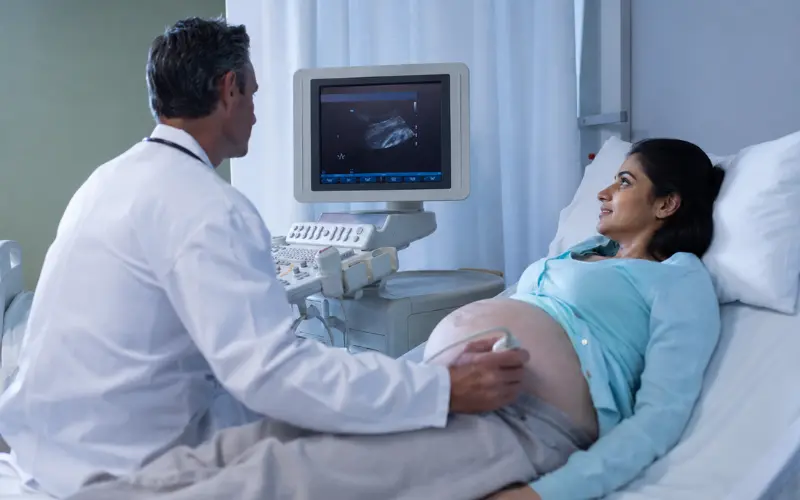
A baby’s movements and growth can provide important clues about how the pregnancy is progressing.
Every baby has a different pattern. What matters most is noticing what is normal for your baby and reporting any clear change.
Why Baby Movements Matter
As pregnancy progresses, you may begin to recognise when your baby is usually active.
Movements may feel like:
- Kicks
- Rolls
- Flutters
- Stretches
- Gentle turns
The pattern can vary throughout the day, but a noticeable reduction should not be ignored.
When Should You Seek Medical Advice?
Contact your gynaecologist or visit the hospital when:
- The baby is moving less than usual
- Movements suddenly stop
- The pattern feels noticeably different
- You are worried despite trying to rest and observe
Do not wait until the next appointment. Do not depend on sugary drinks, home remedies, or advice from others to decide whether everything is fine.
How Is the Baby’s Growth Monitored?
The doctor may assess growth through:
- Measurement of the abdomen
- Ultrasound scans
- Baby’s estimated weight
- Placenta assessment
- Amniotic fluid levels
- Blood flow studies, when required
Additional monitoring may be recommended if the mother has high blood pressure, diabetes, anaemia, thyroid problems, or a previous history of growth complications.
Smaller or Larger Does Not Always Mean Unsafe
A baby measuring smaller or larger than average does not automatically mean there is a serious problem.
The doctor will consider several factors, including:
- Parents’ body structure
- Stage of pregnancy
- Previous scan results
- Placental function
- Mother’s health
- Baby’s overall development
One scan rarely tells the complete story. Growth trends over time are often more useful than a single measurement.
Avoid Comparing Your Pregnancy with Others
Two women at the same stage of pregnancy may have different bump sizes, symptoms, scan measurements, and movement patterns. Comparison can create unnecessary stress.
Your pregnancy should be assessed according to your own medical history, test results, and the baby’s development. Regular monitoring helps the doctor identify whether any change needs closer attention.
Planning a Safe Delivery

Delivery planning is especially important in a high-risk pregnancy. It helps the medical team prepare for possible complications instead of making rushed decisions during labour.
When Should Delivery Planning Begin?
The discussion may begin several weeks before the expected delivery date.
Your gynaecologist will consider:
- The mother’s health
- The baby’s growth and position
- Blood pressure and blood sugar levels
- Placenta and amniotic fluid findings
- Previous delivery history
- Any risk of premature labour
The plan may change if the mother’s or baby’s condition changes.
Normal Delivery or Caesarean Delivery?
A high-risk pregnancy does not automatically require a Caesarean delivery.
A normal delivery may still be possible when:
- The mother and baby are stable
- The baby is in a suitable position
- Labour is progressing safely
- There is no major medical concern
A Caesarean delivery may be advised when it offers a safer option for the mother, the baby, or both.
The final decision should be based on medical findings—not fear, family pressure, or assumptions.
Choose a Hospital with the Right Support
In a high-risk pregnancy, the hospital should be prepared to respond quickly if complications develop.
Before delivery, families should understand:
- Where to go during an emergency
- Which reports and medicines to carry
- Who to contact at the hospital
- How long it takes to reach the hospital
- What support may be needed after delivery
A clear plan can save valuable time.
Prepare for an Early or Unexpected Delivery
Some high-risk conditions may increase the possibility of delivery before the expected date.
Keep these ready in advance:
- Hospital bag
- Identification documents
- Medical reports and ultrasound scans
- List of current medicines
- Blood group details
- Emergency contact numbers
- Transport arrangement
Do not wait for labour pains to begin before organising these essentials.
Know When to Leave for the Hospital
Visit the hospital promptly if you notice:
- Regular painful contractions
- Vaginal bleeding
- Fluid leakage
- Reduced baby movement
- Severe headache or vision changes
- Sudden breathing difficulty
- Any symptom your gynaecologist has asked you to monitor
A delivery plan cannot predict every situation. But it ensures that the family and medical team are better prepared to act when needed.
How Family Members Can Support the Mother

A high-risk pregnancy can be physically tiring and emotionally overwhelming. Family support should reduce stress, not add more fear, pressure, or unwanted advice.
Help Her Follow the Care Plan
Small practical actions can make a big difference.
Family members can help by:
- Accompanying her to important appointments
- Keeping prescriptions and reports organised
- Reminding her about medicines and tests
- Helping with meals and household work
- Making sure she gets enough rest
Support should feel reassuring, not controlling.
Learn the Warning Signs
At least one family member should know the symptoms that require urgent medical attention.
These include:
- Vaginal bleeding
- Fluid leakage
- Reduced baby movement
- Severe abdominal pain
- Persistent headache or blurred vision
- Sudden swelling
- Breathing difficulty
- Regular contractions before 37 weeks
Recognising these signs early can prevent unnecessary delays.
Avoid Creating Panic
Constantly discussing complications can increase anxiety.
Instead of saying, “Something may go wrong,” use calm and practical reassurance:
- “Your appointment is scheduled.”
- “Your reports are ready.”
- “We know which hospital to visit.”
- “We will contact the doctor if anything changes.”
A calm home environment can help the mother feel safer and more confident.
Do Not Force Unverified Advice
Pregnancy advice often comes from relatives, neighbours, and social media.
Avoid pressuring the mother to:
- Stop prescribed medicines
- Follow restrictive diets
- Try herbal remedies
- Ignore symptoms
- Delay hospital visits
- Compare her pregnancy with someone else’s
Medical decisions should be based on the gynaecologist’s advice.
Prepare an Emergency Plan
Families should decide in advance:
- Who will take her to the hospital
- Which vehicle will be available
- Who will carry the medical file
- Who will contact the doctor
- Who will manage responsibilities at home
Preparation reduces confusion when quick action is needed. The most helpful family is not the one that gives the most advice. It is the one that listens, stays prepared, and supports the mother throughout her care.
High-Risk Pregnancy Care at Raja Hospital, Nawanshahr

High-risk pregnancy care requires more than routine appointments. It needs regular monitoring, clear communication, and a plan that changes with the mother’s and baby’s condition.
At Raja Hospital, Nawanshahr, women can consult Dr. Lakshita Saini for personalised pregnancy care and guidance.
Personalised Pregnancy Assessment
Every pregnancy carries a different set of needs.
The assessment may include:
- Review of previous pregnancy history
- Evaluation of existing medical conditions
- Blood pressure, blood sugar, and thyroid monitoring
- Review of blood tests and ultrasound reports
- Assessment of the baby’s growth and movements
- Identification of possible delivery-related risks
This helps create a care plan based on the patient’s actual condition rather than general assumptions.
Regular Monitoring and Checkups
Some women may need more frequent appointments than others.
Regular monitoring may help track:
- Changes in the mother’s health
- Baby’s growth and heartbeat
- Placenta and amniotic fluid
- Blood pressure or blood sugar levels
- Response to medicines or supplements
- Signs that may require early intervention
The checkup schedule may change as the pregnancy progresses.
Clear Guidance for the Family
High-risk pregnancy care also involves helping the family understand what to expect.
Patients and family members may receive guidance about:
- Symptoms that need immediate attention
- Medicines and dietary precautions
- Recommended tests and scans
- Baby movement monitoring
- Hospital preparation
- Delivery planning
Clear information can reduce confusion and help families make timely decisions.
Individualised Delivery Planning
Delivery planning depends on the health of the mother, the baby’s position and growth, previous delivery history, and any ongoing pregnancy complications.
The plan may cover:
- Expected timing of delivery
- Possibility of normal or Caesarean delivery
- Conditions that may require earlier delivery
- Steps to take when labour begins
- Emergency preparation
The aim is to keep the mother and baby closely monitored and prepared throughout the final stage of pregnancy.
Frequently Asked Question
1. What is considered a high-risk pregnancy?
A pregnancy is considered high risk when the mother, baby, or both need closer medical monitoring due to health conditions, age, history, or pregnancy-related complications.
2. When should I consult a gynaecologist during pregnancy?
Consult a gynaecologist soon after pregnancy is confirmed. Seek earlier advice if you have an existing illness or a history of pregnancy complications.
3. What are the main danger signs during pregnancy?
Bleeding, severe pain, fluid leakage, reduced baby movement, blurred vision, sudden swelling, breathing difficulty, fever, or early contractions need prompt medical attention.
4. How often are checkups needed in a high-risk pregnancy?
The schedule depends on the mother’s health, the baby’s growth, test results, and pregnancy history. Some women may need more frequent visits and scans.
5. Can a woman with a high-risk pregnancy have a normal delivery?
Yes, a normal delivery may still be possible. The safest method depends on the mother’s condition, the baby’s position, and labour progress.
Struggling with same?
Book Your Appointment With Our Expert Doctors

Conclusion
A high-risk pregnancy can bring plenty of worry. That is completely understandable. But it does not mean that complications are certain or that something will go wrong.
What matters most is how closely the pregnancy is monitored. Regular checkups can help the doctor notice changes early. They also give the family time to understand the situation and prepare for the next step without panic.
Do not ignore bleeding, severe pain, fluid leakage, sudden swelling, breathing difficulty, or a noticeable drop in the baby’s movements. Even when a symptom seems small, it is better to speak with a gynaecologist than to keep guessing at home.
Every pregnancy is different. Some women need extra scans. Others may need closer blood pressure, blood sugar, or fetal growth monitoring. The care plan should always depend on the mother’s health and the baby’s development.
For personalised high-risk pregnancy care, visit Raja Hospital, Nawanshahr, and consult Dr. Lakshita Saini.