
Sleep Problems in Nawanshahr: 7 Warning Signs You Shouldn’t Ignore!

REVIEWED BY Dr. Mohd. Hanif BhaT (MBBS, DrNB, Neurosurgery) on 30 july 2026.
Sleep problems rarely look serious in the beginning. One night, you sleep late. Another night, you wake up at 3 AM and cannot fall asleep again. Then slowly, it becomes a routine. You feel tired during the day, irritated without reason, unable to focus, and still tell yourself, “It is normal. Everyone has stress.”
But here is where most people make the mistake: they treat sleep like a small lifestyle issue, when sometimes it can be the body’s early warning signal.
Sleep is not just about closing your eyes for a few hours. It is the time when your brain resets, your hormones balance, your body repairs, and your energy system prepares for the next day. When sleep keeps getting disturbed, your health, mood, fertility, immunity, weight, and daily performance can all get affected.
In Nawanshahr, many people delay medical advice because they think sleep problems will settle on their own. Sometimes they do. But when poor sleep continues for weeks, worsens with time, or starts affecting daily life, it should not be ignored.
In this article, we will discuss the common causes of sleep problems, the warning signs you should watch for, how poor sleep can affect your overall health and fertility, and simple lifestyle steps that may help you sleep better.
More importantly, you will understand when a sleep problem is no longer “normal” and when it may be time to consult a doctor.
Why Sleep Problems Should Not Be Ignored

A disturbed night of sleep may not feel serious. You may blame it on stress, work pressure, screen time, family responsibilities, or simply “too much thinking.” And sometimes, yes, these things can disturb sleep for a day or two.
But when poor sleep becomes a pattern, it is no longer just a bad night.
It may be your body’s way of saying something needs attention.
Sleep Is Not Just Rest
Many people think sleep only means closing the eyes and relaxing.
In reality, sleep is the body’s natural repair system. While you sleep, your body works silently to:
- Refresh the brain
- Balance hormones
- Support immunity
- Repair muscles and tissues
- Control mood and emotions
- Improve memory and focus
- Prepare your body for the next day
So, when sleep is disturbed again and again, the body does not get proper time to recover.
And that starts showing in daily life.
How Poor Sleep Slowly Affects You
Sleep problems usually do not create panic in the beginning. They grow quietly.
At first, you may feel slightly tired. Then you may start feeling irritated, distracted, low on energy, or mentally restless. Slowly, even normal work can feel heavy.
Poor sleep may lead to:
- Morning tiredness
- Daytime sleepiness
- Headaches
- Mood swings
- Poor focus
- Low productivity
- Weak immunity
- Weight gain
- Increased stress
- Blood pressure and sugar-related concerns
- Reduced interest in daily activities
The problem is not just that you are sleeping less.
The bigger problem is that your body starts functioning on low battery every day.
When “Normal” Sleep Trouble Becomes a Warning
One or two bad nights can happen to anyone.
But if disturbed sleep continues regularly, affects your routine, or makes you feel tired even after spending enough time in bed, it should not be ignored.
A few warning signs include:
- You take too long to fall asleep
- You wake up many times at night
- You wake up tired in the morning
- You feel sleepy during work or driving
- You depend on tea or coffee to stay active
- You feel irritated without a clear reason
- Your family notices loud snoring or breathing pauses
- Your sleep problem is affecting your mood, work, or relationships
This is where many people make the mistake of waiting too long.
They adjust to tiredness. They normalize headaches. They accept low energy as part of life.
But sleep should refresh you.
If it leaves you exhausted, restless, and mentally drained, your body may be asking for help.
Poor sleep is not something to fear, but it is definitely something to understand. The earlier you pay attention, the easier it becomes to find the reason and improve it.
Common Sleep Problems People Experience

Sleep problems do not look the same for everyone.
For some people, the problem is falling asleep. For others, sleep comes easily but breaks again and again. Some people sleep for 7–8 hours but still wake up tired, as if the body never rested properly.
That is why it is important to understand the different ways sleep problems can appear.
1. Difficulty Falling Asleep
This is one of the most common sleep complaints.
You lie down on time, switch off the lights, and try to sleep. But the mind refuses to slow down. Thoughts keep moving from one topic to another work, family, health, future, money, responsibilities, or things that happened during the day.
A person may spend 30 minutes, 1 hour, or even longer just trying to fall asleep.
This can happen due to:
- Stress or anxiety
- Irregular sleep timing
- Excessive screen use
- Late-night tea or coffee
- Overthinking
- Poor sleep environment
- Lack of physical activity
When this happens regularly, bedtime itself can start feeling stressful.
2. Waking Up Again and Again at Night
Some people fall asleep easily but wake up many times during the night.
They may wake up to use the washroom, drink water, change position, check the phone, or sometimes without any clear reason. After waking up, they may struggle to sleep again.
This type of disturbed sleep can leave the person feeling tired the next morning, even if they were in bed for many hours.
Frequent waking may be linked with stress, breathing problems, pain, acidity, urinary issues, hormonal changes, or sleep disorders.
3. Waking Up Too Early
Another common issue is waking up much earlier than planned and not being able to sleep again.
For example, a person may wake up at 3 AM or 4 AM with an active mind, even though they still feel tired. This can affect mood, energy, and mental freshness throughout the day.
Early morning waking may sometimes be related to stress, anxiety, depression, hormonal changes, or poor sleep quality.
4. Loud Snoring
Many people treat snoring as a joke or a normal habit.
But loud, regular snoring should not always be ignored.
Snoring happens when airflow is partially blocked during sleep. In some cases, it may be associated with breathing pauses, choking sounds, or gasping during sleep.
Warning signs to notice:
- Loud snoring almost every night
- Breathing pauses during sleep
- Waking up suddenly while choking or gasping
- Morning headache
- Dry mouth after waking
- Feeling sleepy during the day
Not every snoring problem is serious, but repeated loud snoring with tiredness needs attention.
5. Feeling Tired Even After Sleeping
This can be confusing.
A person may say, “I slept for 8 hours, but I still feel tired.”
This usually means the body may not be getting deep, refreshing sleep. Sleep quantity and sleep quality are different. Spending enough time in bed does not always mean the body has recovered properly.
Poor-quality sleep can make a person feel:
- Heavy in the morning
- Mentally slow
- Low in energy
- Irritated
- Unmotivated
- Sleepy after meals
- Dependent on caffeine
When this becomes regular, it can affect work, relationships, and overall health.
6. Daytime Sleepiness
Feeling sleepy during the day is not always laziness.
It may be a sign that night sleep is incomplete, disturbed, or poor in quality. Some people feel drowsy while reading, watching TV, sitting at work, talking to others, or even driving.
This can become risky, especially for people who drive, operate machines, manage patients, study for long hours, or handle important responsibilities.
Daytime sleepiness should be taken seriously when it starts affecting alertness and safety.
7. Restless Sleep
Restless sleep means the person keeps changing sides, moving frequently, waking up partially, or feeling uncomfortable throughout the night.
They may not remember every disturbance, but the body feels the impact in the morning.
Common signs include:
- Tossing and turning
- Light sleep
- Unrefreshing sleep
- Body heaviness
- Irritability after waking
- Feeling like the night passed but rest did not happen
Restless sleep may be linked with stress, body pain, uncomfortable bedding, breathing issues, restless legs, medication effects, or other health conditions.
A Simple Way to Understand It
Sleep problems are not only about “not sleeping.”
They can also mean:
- Sleeping late
- Sleeping less
- Sleeping with frequent breaks
- Sleeping but not feeling fresh
- Snoring loudly
- Waking too early
- Feeling sleepy during the day
- Losing focus because of poor sleep
When these signs happen once in a while, they may not be a major concern. But when they become frequent, continue for weeks, or disturb daily life, they should be taken seriously.
A healthy sleep pattern should make you feel rested, alert, and ready for the day.
If sleep is doing the opposite, it is worth understanding the reason behind it.
Possible Reasons Behind Sleep Problems
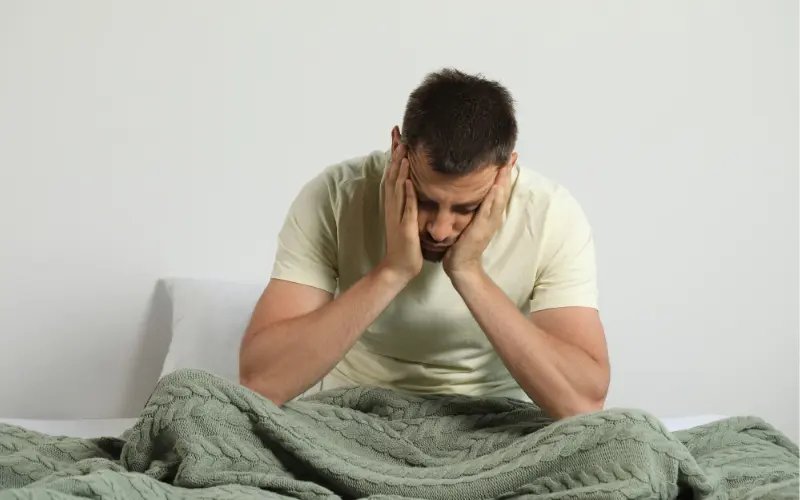
Sleep problems usually have a reason.
Sometimes the reason is simple, like too much screen time or late-night tea. Sometimes it is deeper, like stress, hormonal imbalance, breathing issues, or an underlying medical condition.
The important thing is this: poor sleep is not always a “sleep problem” only.
Many times, it is a symptom of something else happening inside the body or mind.
1. Stress and Overthinking
This is one of the biggest reasons people struggle to sleep. The body may be tired, but the mind keeps running.
At night, when everything becomes quiet, thoughts become louder. A person may start thinking about work, family problems, finances, health, studies, relationships, or the next day’s responsibilities.
Common signs include:
- Racing thoughts at bedtime
- Difficulty relaxing
- Waking up with worry
- Feeling restless at night
- Thinking too much about small things
- Feeling tired but mentally active
Stress does not only disturb sleep. Poor sleep also increases stress the next day.
This creates a cycle.
Stress affects sleep. Poor sleep increases stress. And slowly, both start feeding each other.
2. Excessive Mobile or Screen Use at Night
Many people use the phone until the last minute before sleeping.
Scrolling social media, watching videos, replying to messages, or checking updates may feel relaxing, but it can keep the brain alert for longer.
Late-night screen use can affect sleep because:
- The mind stays active
- Bright light may delay sleepiness
- Emotional content can trigger overthinking
- One video or post turns into 30–40 minutes
- The habit trains the brain to stay awake in bed
The bed should signal sleep.
But when the bed becomes a place for scrolling, watching, replying, and worrying, the brain slowly stops treating it as a place to rest.
3. Irregular Sleep Routine
The body likes rhythm. When sleep timing keeps changing every day, the body gets confused. Sleeping at 10 PM one night, 1 AM the next night, and 3 AM on weekends can disturb the natural sleep cycle.
This is common among:
- Students
- Shift workers
- Business owners
- New parents
- People with late-night screen habits
- People with irregular meal timings
- People who sleep too much during the day
A disturbed routine can make it difficult to fall asleep on time, wake up fresh, and maintain energy throughout the day.
4. Tea, Coffee, Alcohol, or Heavy Dinner Late at Night
What you consume in the evening can affect how you sleep at night.
For many people, evening tea or coffee feels harmless. But caffeine can keep the brain alert for hours. Similarly, a heavy dinner close to bedtime can cause acidity, bloating, discomfort, and disturbed sleep.
Sleep may also get affected by:
- Late-night tea or coffee
- Energy drinks
- Smoking
- Alcohol
- Spicy food at night
- Heavy meals before bed
- Too much water just before sleeping
A person may not connect these habits with sleep immediately.
But small daily habits often create big sleep problems over time.
5. Breathing Problems and Sleep Apnea
Some people do not sleep well because their breathing gets disturbed during sleep.
This may happen in conditions like sleep apnea, where breathing can repeatedly become shallow or pause for short moments during the night. The person may not always realize it, but family members may notice loud snoring, choking sounds, or sudden gasping.
Possible signs include:
- Loud snoring
- Breathing pauses during sleep
- Waking up suddenly while gasping
- Morning headache
- Dry mouth
- Feeling tired despite sleeping
- Daytime sleepiness
- Poor concentration
This type of sleep problem should not be ignored, especially when snoring is loud and regular.
6. Thyroid, Diabetes, Obesity, and Other Health Conditions
Sleep problems can also be connected with physical health.
Some medical conditions can disturb sleep directly, while others affect the body in ways that make proper rest difficult.
Possible health-related causes include:
- Thyroid imbalance
- Diabetes
- Obesity
- High blood pressure
- Chronic pain
- Acidity or gastric problems
- Frequent urination at night
- Asthma or breathing issues
- Hormonal changes
- Menopause-related symptoms
For example, someone with uncontrolled sugar levels may wake up frequently at night. Someone with obesity may have a higher chance of snoring or breathing-related sleep issues. Someone with pain may struggle to stay asleep.
That is why repeated sleep problems should be understood in the context of overall health.
7. Anxiety, Depression, and Emotional Health
Sleep and emotional health are closely connected.
A person going through anxiety may find it difficult to fall asleep because the mind stays alert. A person going through depression may wake up too early, feel low in the morning, or sleep too much but still feel tired.
Emotional health concerns may show up as:
- Restlessness at night
- Early morning waking
- Too much sleep but no freshness
- Loss of interest in routine
- Low mood
- Irritability
- Negative thoughts at bedtime
- Feeling emotionally heavy after waking
Many people do not talk about these symptoms openly.
Instead, they only say, “I am not sleeping well.”
But sometimes, sleep is the first visible sign of emotional imbalance.
8. Side Effects of Medicines
Certain medicines can also affect sleep.
Some may cause sleeplessness. Some may cause daytime drowsiness. Some may make sleep lighter or disturb the natural sleep cycle.
This can happen with medicines used for:
- Blood pressure
- Cold and cough
- Allergy
- Pain
- Depression or anxiety
- Steroids
- Thyroid conditions
- Weight-related treatments
A person should not stop any medicine on their own. But if sleep problems started after beginning a new medicine, changing the dose, or taking medicines at a different time, it is worth discussing with a doctor.
9. Lack of Physical Activity
The body sleeps better when it has used energy during the day.
People with very low physical activity may feel mentally tired but physically restless. This can make sleep lighter and less refreshing.
This is common in people who:
- Sit for long hours
- Work mainly on screens
- Do not walk regularly
- Have no exercise routine
- Spend most of the day indoors
- Take frequent daytime naps
Even simple daily movement can support better sleep quality.
A walk, stretching, light exercise, or active daily routine may help the body feel naturally ready for rest at night.
10. Poor Sleep Environment
Sometimes the reason is not inside the body.
It is around the body.
The bedroom environment can disturb sleep more than people realize.
Sleep may get affected by:
- Too much noise
- Bright lights
- Uncomfortable mattress
- Too warm or too cold room
- Frequent phone notifications
- Television in the bedroom
- Sleeping at different times daily
- Sharing the bed with distractions
A peaceful sleep environment tells the brain that it is time to slow down. A distracting environment keeps the brain alert.
A Simple Thought
Sleep problems are rarely random.
They usually come from a mix of habits, stress, health conditions, emotional load, and lifestyle patterns. The goal is not to panic over every bad night.
The goal is to notice the pattern. If sleep improves with small lifestyle changes, that is a good sign. But if the problem continues, worsens, or starts affecting your daily life, it may need proper medical evaluation.
When Should You Consult a Doctor for Sleep Problems?

Not every bad night needs medical attention. Sometimes sleep gets disturbed because of temporary stress, travel, workload, illness, emotional pressure, or a change in routine. In many cases, sleep improves once the trigger settles.
But when sleep problems become frequent, intense, or start affecting daily life, they should not be ignored.
A simple way to understand it is this:
One bad night can be normal. Repeated bad nights are a signal.
Consult a Doctor If Sleep Problems Continue for Weeks
If you are not sleeping properly for a few days, it may be due to temporary stress or lifestyle changes.
But if the problem continues for 2–3 weeks or more, it needs attention.
This includes:
- Difficulty falling asleep almost every night
- Waking up repeatedly during sleep
- Waking up too early and not sleeping again
- Feeling tired despite spending enough time in bed
- Needing sleeping pills or alcohol to sleep
- Feeling anxious as bedtime approaches
When poor sleep becomes a routine, the body and mind both start suffering.
Consult a Doctor If Sleep Affects Daily Life
Sleep problems become more serious when they start disturbing your normal routine.
You should not ignore poor sleep if it affects your:
- Work performance
- Studies
- Driving
- Decision-making
- Memory
- Mood
- Relationships
- Energy levels
- Physical activity
- Interest in daily life
Many people keep pushing through the day with tea, coffee, or willpower. But the body cannot run on low-quality sleep forever.
If you are waking up tired and spending the whole day waiting for energy that never comes, the problem needs proper evaluation.
Consult a Doctor If You Snore Loudly
Snoring is often taken lightly. People joke about it. Families adjust to it. Some people even feel embarrassed and avoid discussing it.
But loud and regular snoring may sometimes be a sign of disturbed breathing during sleep.
You should pay attention if snoring comes with:
- Breathing pauses during sleep
- Choking or gasping sounds
- Waking up suddenly at night
- Morning headache
- Dry mouth
- Heavy daytime sleepiness
- Poor focus
- Irritability
In such cases, the person may be sleeping for hours, but the sleep may not be deep or refreshing.
That is why loud snoring with tiredness should not be ignored.
Consult a Doctor If You Feel Sleepy During the Day
Daytime sleepiness is not always laziness. It may be a sign that your night sleep is disturbed, incomplete, or poor in quality.
This becomes important when you feel sleepy while:
- Driving
- Working
- Reading
- Watching television
- Attending meetings
- Studying
- Talking to others
- Sitting quietly after meals
Daytime sleepiness can affect safety, productivity, and quality of life.
If you are sleeping at night but still feel sleepy during the day, the body may not be getting proper rest.
Consult a Doctor If Sleep Problems Affect Mood
Poor sleep and mood are deeply connected. When sleep is disturbed, a person may become more emotional, irritated, anxious, angry, or low without understanding why.
Warning signs include:
- Feeling irritated over small things
- Sudden mood swings
- Anxiety at night
- Low motivation
- Crying easily
- Feeling mentally heavy
- Loss of interest in routine
- Negative thoughts before sleep
- Feeling exhausted emotionally
Sometimes people think they have a “mood problem,” but the root may be poor sleep.
And sometimes emotional stress may be the reason sleep is disturbed.
Both situations need attention.
Consult a Doctor If You Wake Up With Headache or Heaviness
Morning should feel fresh. But if you often wake up with a headache, heaviness, dry mouth, body tiredness, or mental fog, it may point toward poor sleep quality.
Common morning signs to notice:
- Headache after waking
- Dry mouth
- Heavy eyes
- Body stiffness
- Tiredness even after sleep
- Brain fog
- Low energy
- Feeling unrefreshed
These signs are important because they show that the body may not be recovering properly during sleep.
Consult a Doctor If Sleep Problems Are Getting Worse
Some sleep issues improve with basic lifestyle changes. But if the problem is becoming worse instead of better, it should not be delayed.
For example:
- Earlier you slept late once a week, now it happens daily
- Earlier you woke up once at night, now it happens many times
- Earlier you felt tired in the morning, now you feel tired all day
- Earlier you managed work, now your focus and mood are affected
- Earlier snoring was mild, now it is loud and regular
Worsening sleep problems are a sign that the underlying cause needs to be understood.
When a Neurologist May Be Needed
In some cases, sleep problems may be linked with the nervous system, brain function, headaches, seizures, restless legs, chronic insomnia, or other neurological concerns.
A neurologist may be consulted when sleep problems are associated with:
- Frequent headaches
- Dizziness
- Memory issues
- Restless legs at night
- Unusual body movements during sleep
- Sudden sleep attacks
- Severe daytime sleepiness
- Long-term insomnia
- Sleep problems after a head injury
- Sleep issues with nerve-related symptoms
This does not mean every sleep problem requires a neurologist.
But when symptoms are severe, unusual, long-lasting, or affecting daily life, proper medical opinion becomes important.
7 Warning Signs You Shouldn’t Ignore
Here are the key warning signs from this article’s headline:
- Sleep problem continues for more than 2–3 weeks
- You feel tired even after sleeping
- You wake up again and again at night
- You snore loudly or gasp during sleep
- You feel sleepy during the day
- Poor sleep affects mood, work, or relationships
- Sleep problems are getting worse with time
The Main Point
Sleep problems should not be ignored when they become regular, affect daily life, or come with warning signs like loud snoring, daytime sleepiness, morning headaches, mood changes, or breathing pauses during sleep.
The earlier the cause is understood, the easier it becomes to manage the problem. Poor sleep is not always dangerous. But repeated poor sleep is always worth taking seriously.
What Can Happen If You Don’t Sleep Properly?

Poor sleep does not only make you feel tired the next morning. When it continues for a long time, it can slowly affect your brain, mood, energy, immunity, hormones, and overall health.
Possible Effects of Lack of Sleep
Many people ignore sleep problems because the effects are not always visible immediately.
But inside the body, poor sleep can disturb several important functions.
- Poor concentration: You may find it difficult to focus on work, studies, conversations, or daily responsibilities.
- Brain fog: Your mind may feel slow, heavy, or unclear, even after spending enough hours in bed.
- Memory issues: Lack of proper sleep can make it harder to remember things, process information, or make decisions.
- Mood swings: Poor sleep can make you more irritated, emotional, anxious, or angry over small matters.
- Low energy: You may wake up tired and feel drained throughout the day, even without doing heavy work.
- Daytime sleepiness: Feeling sleepy while working, studying, watching TV, or driving can be a sign that your sleep quality is poor.
- Headaches: Disturbed sleep may cause morning headaches, heaviness in the head, or tired eyes.
- Weak immunity: When the body does not get proper rest, recovery becomes slower and you may fall sick more often.
- Weight gain: Poor sleep can increase cravings, late-night hunger, and low motivation for physical activity.
- Sugar and blood pressure concerns: Long-term sleep problems may affect metabolism, stress levels, blood pressure, and sugar control.
- Hormonal imbalance: Sleep plays an important role in maintaining healthy hormone function in both men and women.
- Reduced fertility health: Poor sleep may affect reproductive hormones, menstrual cycle health, sperm quality, and overall fertility.
- Low productivity: When your body is tired and your mind is not fresh, even simple tasks can feel difficult.
- Relationship stress: Irritability, low patience, and emotional tiredness can affect family life and personal relationships.
- Poor quality of life: Over time, a person may start accepting tiredness, low mood, and low energy as normal, even when the body is clearly asking for help.
- Increased health risks: If sleep problems continue for a long time, they may contribute to bigger health concerns and should not be ignored.
Can Poor Sleep Affect Fertility in Men and Women?

Yes, poor sleep may affect fertility health in both men and women. Sleep supports hormone balance, stress control, metabolism, energy levels, and reproductive health.
How Poor Sleep May Affect Male Fertility
Male fertility is closely connected with hormone health, sperm quality, lifestyle, and overall physical wellness. When sleep remains disturbed for a long time, it may affect the body functions that support healthy fertility.
- Testosterone imbalance: Poor sleep may affect testosterone levels, which play an important role in male reproductive health.
- Reduced sperm quality: Long-term lack of sleep may affect sperm count, movement, and overall sperm health.
- Low energy levels: Constant tiredness can reduce stamina, confidence, and daily performance.
- Reduced sexual interest: Poor sleep can affect mood, energy, and interest in intimacy.
- Increased stress: Lack of sleep may increase stress hormones, which can indirectly affect fertility and sexual wellness.
- Weight gain: Poor sleep may increase cravings and reduce motivation for physical activity, which can affect hormone balance.
- Poor sugar control: Disturbed sleep may affect metabolism, and poor metabolic health can impact reproductive wellness.
- Mental fatigue: Lack of sleep can lead to irritability, anxiety, low mood, and reduced emotional connection.
- Unhealthy routine: Men with poor sleep may depend more on caffeine, smoking, alcohol, or late-night eating, which can further affect fertility health.
- Not the only cause: Poor sleep alone does not always mean infertility, but if it continues with low energy, reduced sexual health, weight gain, or difficulty conceiving, it should not be ignored.
How Poor Sleep May Affect Female Fertility
Female fertility depends on hormonal rhythm, ovulation, menstrual cycle health, emotional balance, and overall body wellness. When sleep quality is poor, it may disturb the natural balance needed for reproductive health.
- Hormonal imbalance: Poor sleep may disturb hormones that support ovulation, menstrual cycle regularity, and fertility health.
- Irregular periods: Sleep disturbance, stress, and lifestyle imbalance may contribute to irregular menstrual cycles in some women.
- Ovulation issues: Since ovulation is hormone-dependent, poor sleep may indirectly affect the body’s natural ovulation rhythm.
- Increased stress levels: Lack of sleep can increase stress, and high stress may affect reproductive hormones.
- Weight gain: Poor sleep can increase cravings, late-night eating, and weight gain, which may affect fertility health.
- Mood changes: Disturbed sleep may cause anxiety, irritability, emotional tiredness, and low motivation.
- Low energy: Constant tiredness can affect daily routine, exercise, self-care, and overall wellness.
- Poor sugar control: Sleep problems may affect metabolism, which can indirectly influence reproductive health.
- Pregnancy planning stress: Women trying to conceive may already feel emotional pressure, and poor sleep can make overthinking and anxiety worse.
- Not the only cause: Poor sleep alone does not always cause fertility problems, but if it continues with irregular periods, stress, weight gain, or difficulty conceiving, it should be taken seriously.
Poor sleep should not create fear, but it should create awareness. For couples planning pregnancy, improving sleep quality can be a simple but important step toward better overall reproductive health.
Simple Tips to Improve Sleep Naturally
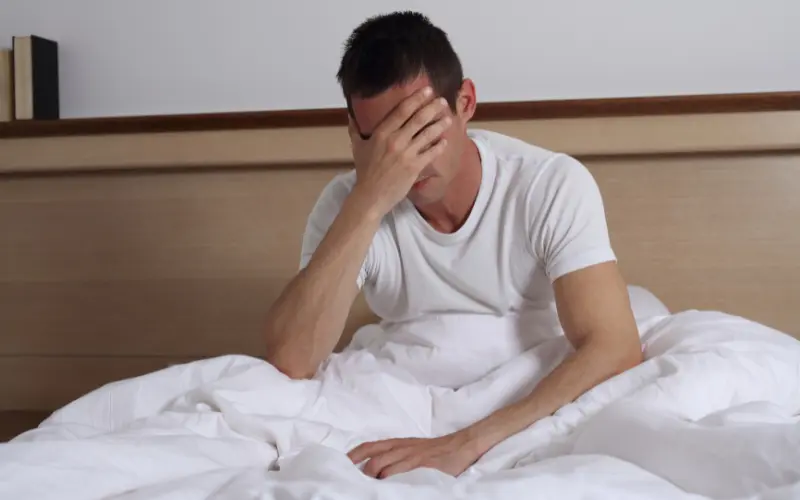
Small sleep improvements can make a big difference when followed consistently. The goal is not to force sleep, but to train your body and mind to relax at the right time.
Healthy Sleep Habits You Can Start Today
These tips may help improve sleep quality in many people. However, if your sleep problem is severe, regular, or getting worse, lifestyle changes alone may not be enough.
- Fix your sleep and wake-up time: Try to sleep and wake up at the same time every day, even on weekends.
- Avoid mobile use before bed: Stop using your phone, laptop, or TV at least 30–60 minutes before sleeping.
- Keep the bedroom for sleep: Avoid working, eating, scrolling, or watching videos in bed.
- Avoid tea and coffee late evening: Caffeine can keep your brain active for hours and may delay sleep.
- Eat a light dinner: Heavy, oily, or spicy food close to bedtime can cause discomfort, acidity, and disturbed sleep.
- Get morning sunlight: Natural light in the morning helps your body maintain a healthy sleep-wake cycle.
- Add daily physical activity: A walk, stretching, yoga, or light exercise can help the body feel naturally tired at night.
- Avoid long daytime naps: Sleeping too much during the day can make it harder to sleep at night.
- Create a calm bedtime routine: Reading, light music, prayer, breathing exercises, or journaling can help the mind slow down.
- Keep your room comfortable: A dark, quiet, clean, and comfortable bedroom can support better sleep.
- Reduce late-night overthinking: If thoughts disturb you at night, write them down before bed instead of carrying them into sleep.
- Avoid checking the time again and again: Watching the clock can increase anxiety and make sleep even harder.
- Do not take sleeping pills on your own: Sleep medicines should only be taken with medical advice, especially if the problem is regular.
- Watch your snoring: If you snore loudly, wake up choking, or feel tired even after sleeping, it may need proper medical evaluation.
- Listen to your body: If you feel tired every morning, sleepy during the day, or mentally drained despite sleeping, do not ignore the pattern.
Good sleep is built through routine, patience, and awareness. But if poor sleep continues even after improving your habits, the reason may be deeper than lifestyle alone.
Common Myths About Sleep Problems

Sleep problems become worse when people believe the wrong things about them. Many people delay care because they think poor sleep is normal, harmless, or something that can be fixed with shortcuts.
Sleep Myths You Should Stop Believing
These myths may sound common, but they can make people ignore important warning signs.
Understanding the truth can help you take sleep problems more seriously.
- “Sleep problems are normal with age.”
Sleep patterns may change with age, but regular poor sleep, daytime tiredness, or waking up exhausted should not be accepted as normal.
- “Snoring is harmless.”
Mild snoring may not always be serious, but loud snoring with choking, gasping, or daytime sleepiness can be a warning sign.
- “I can manage with 4–5 hours of sleep.”
Some people get used to sleeping less, but the body still needs proper rest for brain function, mood, immunity, and recovery.
- “Weekend sleep can fix the whole week.”
Sleeping extra on weekends may reduce tiredness for a short time, but it cannot fully repair a regular pattern of poor sleep.
- “Sleeping pills are the easiest solution.”
Sleeping pills should not be taken without medical advice. They may not treat the real cause behind the sleep problem.
- “If I am in bed for 8 hours, my sleep is fine.”
Sleep quality matters as much as sleep duration. If you wake up tired, your sleep may not be refreshing.
- “Overthinking at night is normal.”
Occasional overthinking can happen, but if racing thoughts regularly stop you from sleeping, it should be addressed.
- “Daytime sleepiness means I am lazy.”
Feeling sleepy during the day can be a sign of poor sleep quality, disturbed sleep, or an underlying sleep-related issue.
- “Children and young adults cannot have sleep problems.”
Sleep problems can affect people of any age, especially with stress, excessive screen time, irregular routines, or health concerns.
- “Sleep problems will go away on their own.”
Some sleep issues improve with better habits, but regular or worsening sleep problems should not be ignored.
- “Only stress causes sleep problems.”
Stress is a common reason, but sleep problems may also be linked with breathing issues, hormones, medicines, pain, neurological concerns, or other health conditions.
- “If I am tired, I will automatically sleep well.”
Physical tiredness does not always mean good sleep. Stress, anxiety, screen use, pain, or medical issues can still disturb sleep.
Sleep myths make people wait longer than they should. The safer approach is simple: notice the pattern, improve your routine, and take repeated sleep problems seriously.
Frequently Asked Questions:
FAQs
1. Is a sleeping problem a serious issue?
A sleeping problem is not always serious if it happens once in a while.
But if it continues for weeks, affects your daily routine, or makes you feel tired even after sleeping, it should not be ignored.
2. When should I worry about sleep problems?
You should worry if poor sleep becomes regular, gets worse with time, or affects your work, mood, focus, driving, energy, or relationships.
Loud snoring, breathing pauses, morning headaches, and daytime sleepiness are also important warning signs.
3. Can stress cause sleep problems?
Yes, stress is one of the most common reasons for poor sleep. When the mind stays active at night, it becomes difficult for the body to relax and fall asleep.
4. Can lack of sleep affect fertility?
Poor sleep may affect fertility health in both men and women. It can disturb hormones, increase stress, reduce energy, affect weight, and impact overall reproductive wellness.
5. Does poor sleep affect sperm count?
Poor sleep may affect male reproductive health, including testosterone balance and sperm quality. However, sperm health depends on many factors, including lifestyle, stress, weight, smoking, alcohol, medical conditions, and overall health.
Struggling with same?
Book Your Appointment With Our Expert Doctors

Conclusion:
Sleep problems are easy to ignore because they often start small.
A few late nights. A few restless hours. Waking up tired. Feeling sleepy during the day. Depending on tea or coffee to stay active. Slowly, the body starts adjusting to poor sleep as if it is normal.
But poor sleep should not become your routine. Healthy sleep is important for your brain, mood, immunity, hormones, fertility, energy, and overall well-being. When sleep is disturbed again and again, it can affect how you think, work, feel, recover, and live your daily life.
The most important thing is to notice the pattern.
If sleep problems happen once in a while, simple lifestyle changes may help. But if poor sleep continues for weeks, gets worse, affects your daily routine, or comes with symptoms like loud snoring, breathing pauses, morning headaches, daytime sleepiness, mood changes, or extreme tiredness, it should be taken seriously.
Sleep is not just rest. It is your body’s natural recovery system. And when that recovery system is disturbed for too long, your health may start giving warning signs in different ways.
If your sleep problem is affecting your daily life, don’t ignore it. Consult a doctor or neurologist at Raja Hospital before it becomes serious.