
Heart Health After 40 in Nawanshahr: 7 Warning Signs You Should Not Delay
REVIEWED BY DR. Raghav Vishesh Lumb (DM Cardiology) on 6th october 2026.
Chest feels heavy after dinner? “Gas hai, hazam nahi hua.”
Breathless after climbing the stairs? “Umar ho gayi hai, normal hai.”
Left arm aching since morning? “Kal kaam zyada kar liya tha.”
Sound familiar? In most homes in Nawanshahr, this is exactly how a serious heart problem gets explained away. A tablet from the medical store, a glass of ajwain water, a burp, and everyone relaxes.
Sometimes it really is gas. But sometimes it is the heart trying to warn you, and the warning does not come with a label.
Here is the uncomfortable truth: heart problems in India are now appearing earlier than most families expect, and after 40, the risk quietly starts increasing even in people who look fit, eat home food, and have never been admitted to a hospital in their life.
The good news is that heart health after 40 is largely manageable. Not with fear, not with WhatsApp forwards, but with two simple things: knowing the warning signs and getting yearly tests done on time.
This guide explains it in plain language: what changes in the body after 40, which symptoms should never be ignored, which tests every 40+ person must get done, what you should keep at home if you live with elderly parents, and when you should stop guessing and go straight to a doctor.
Why the Heart Needs Extra Attention After 40
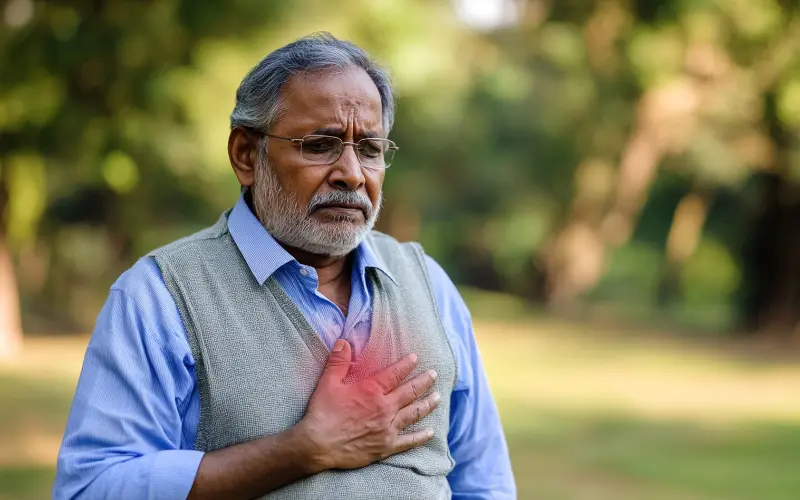
Turning 40 is not a switch that suddenly breaks the heart. It is more like a bill that slowly arrives for the last twenty years of habits.
For most people, the twenties and thirties are spent on work pressure, late nights, tea after tea, fried snacks, sitting for long hours, no exercise, and zero medical checkups. The body absorbs all of it silently because it is young. After 40, the body starts showing the account.
What Actually Changes Inside the Body
After 40, a few things commonly start shifting:
- Blood pressure may begin creeping up without any symptoms
- Cholesterol levels may rise and start affecting the arteries
- Blood sugar control may weaken, sometimes as pre diabetes
- Arteries may become stiffer and narrower
- Weight around the belly may increase
- Physical activity usually reduces while stress increases
- Recovery after illness, exertion, or poor sleep becomes slower
The dangerous part is that most of these changes have no symptoms in the beginning. High blood pressure does not pain. High cholesterol does not itch. Early diabetes does not announce itself. A person can feel completely “normal” for years while pressure quietly builds inside the arteries.
That is why doctors keep repeating one thing: after 40, feeling fine is not proof that you are fine.
Why Families in Nawanshahr Should Be Extra Alert
Look at the everyday pattern in our area and the risk becomes obvious.
Our food is warm, tasty, and generous with ghee, butter, paneer, sugar, and fried items. Portion size is a matter of pride, not measurement. Physical work has reduced for many people, especially those in shops, offices, driving jobs, or business. Tea with sugar runs from morning till night. Smoking and alcohol are still common in some households. Sleep is late, stress is high, and checkups happen only when something goes badly wrong.
Add family history to this. In many Punjabi families, blood pressure, diabetes, and heart disease appear across generations. If your father, mother, or sibling has had a heart problem, diabetes, or high blood pressure, your own risk is higher, and it starts earlier.
None of this means everyone will get a heart attack. It means after 40, awareness is not optional anymore.
7 Warning Signs After 40 That Should Never Be Ignored
Heart problems do not always start dramatically. Movies show a man clutching his chest and falling down. Real life is usually quieter and much more confusing.
Here are the seven signs that deserve attention instead of a home remedy.
1. Chest Heaviness That Feels Like Gas or Acidity
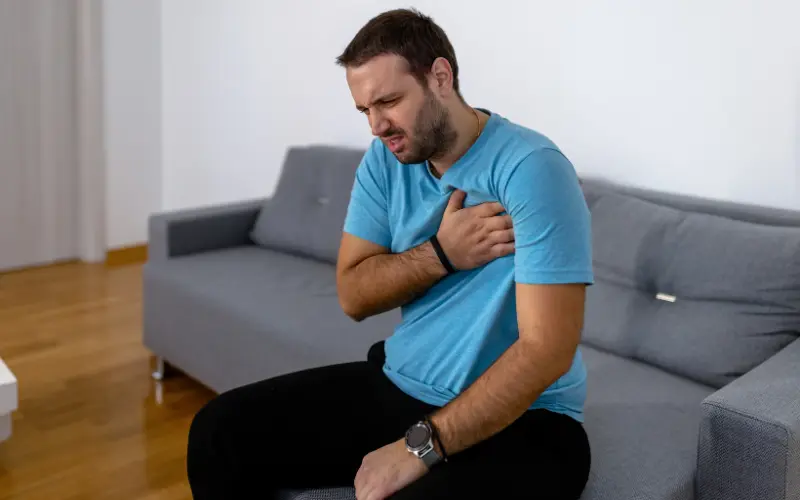
This is the symptom that gets ignored the most. Heart-related chest discomfort is often not a sharp pain. People describe it as heaviness, pressure, tightness, burning, or a feeling like something is sitting on the chest. Many say it feels exactly like gas or acidity.
Some clues that make it more worrying:
- It appears during walking, climbing stairs, physical work, or emotional stress
- It settles when you rest and returns when you exert again
- It spreads to the arm, jaw, neck, shoulder, or back
- It comes with sweating, breathlessness, or uneasiness
- It lasts more than a few minutes and keeps repeating
If chest discomfort follows exertion and improves with rest, that pattern should be checked by a doctor, not by an antacid.
2. Breathlessness During Normal Work
Getting breathless after running is normal. Getting breathless while walking to the market, climbing one floor, bathing, or lying down flat is not.
If someone who managed daily work comfortably last year is now stopping to catch their breath, something has changed. It may be the heart, the lungs, anaemia, or thyroid, but it needs testing. “Age ho gayi hai” is a guess, not a diagnosis.
3. Pain in the Left Arm, Jaw, Neck, Shoulder, or Upper Back

Heart pain does not always stay in the chest. It can travel. Many patients reach the hospital complaining of jaw pain, tooth-like pain, shoulder stiffness, or pain between the shoulder blades. Some are treated for cervical pain or gas for days before an ECG shows the real story.
The pattern matters more than the location. If this pain appears with exertion, comes with sweating or breathlessness, or repeats again and again, get an ECG done.
4. Cold Sweating With Uneasiness
Sudden cold sweat, along with restlessness, nausea, or a strange feeling that something is wrong, is a symptom that should never be brushed aside, especially in a 40+ person with diabetes, high blood pressure, or a smoking history.
Many families later recall the same detail: “Pasine se kapde geele ho gaye the, hum samjhe garmi lag rahi hai.” That is often the body’s emergency alarm.
5. Unusual Tiredness and Sudden Weakness
Heart pain does not always stay in the chest. It can travel. Many patients reach the hospital complaining of jaw pain, tooth-like pain, shoulder stiffness, or pain between the shoulder blades. Some are treated for cervical pain or gas for days before an ECG shows the real story.
The pattern matters more than the location. If this pain appears with exertion, comes with sweating or breathlessness, or repeats again and again, get an ECG done.
4. Cold Sweating With Uneasiness
Sudden cold sweat, along with restlessness, nausea, or a strange feeling that something is wrong, is a symptom that should never be brushed aside, especially in a 40+ person with diabetes, high blood pressure, or a smoking history.
Many families later recall the same detail: “Pasine se kapde geele ho gaye the, hum samjhe garmi lag rahi hai.” That is often the body’s emergency alarm.
5. Unusual Tiredness and Sudden Weakness
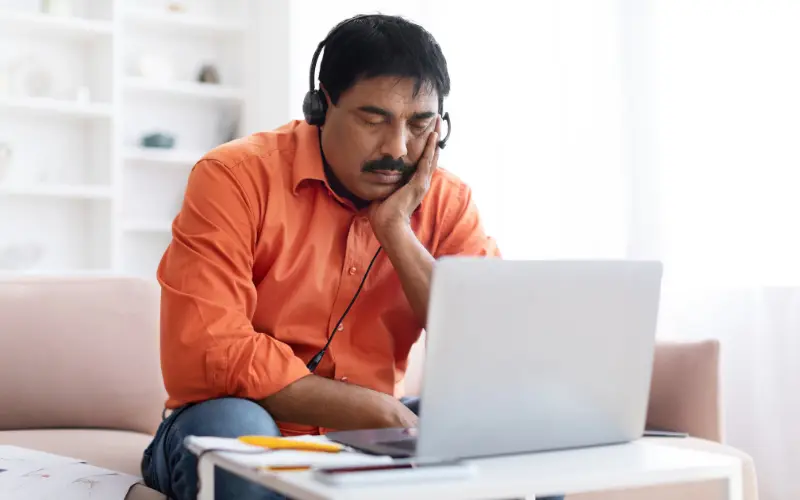
Feeling drained after a long day is normal. Feeling exhausted after routine activity, for days together, without any clear reason, is not.
In many patients, especially women and elderly people, extreme fatigue appears weeks before a heart event. It is easy to blame weakness, weather, or work. But when tiredness is new, continuous, and unexplained, a basic cardiac evaluation is wiser than another tonic.
6. Palpitations, Dizziness, or Fainting
Occasional fast heartbeat during stress or excitement can happen. But take it seriously if:
- The heartbeat feels fast, irregular, or fluttering again and again
- You feel dizzy or lightheaded during it
- You have fainted or almost fainted
- It comes with chest discomfort or breathlessness
Rhythm problems are very treatable, but they need to be recorded and diagnosed properly.
7. Swelling in Feet, Ankles, or Face
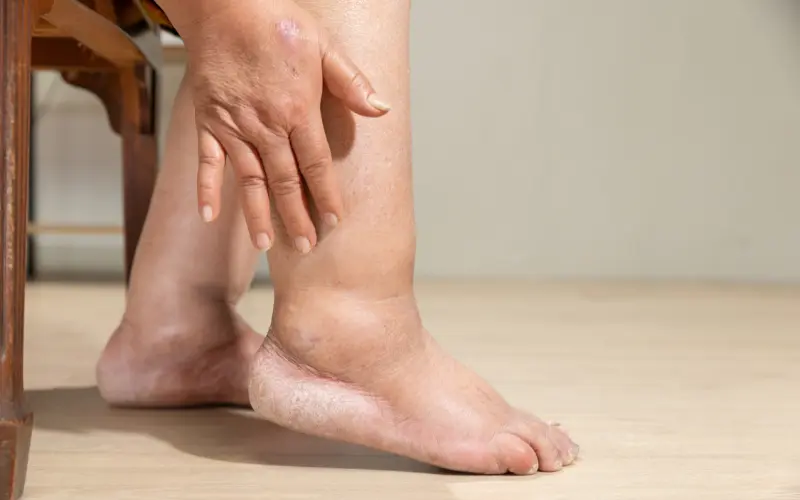
Swelling in both feet, especially if it increases through the day, along with breathlessness or difficulty lying flat, can point towards the heart not pumping efficiently. It can also involve the kidneys or liver.
Either way, swelling in a 40+ person is a signal to get tested, not a reason to reduce salt for two days and forget about it.
Symptoms in Women and Diabetic Patients Can Look Different
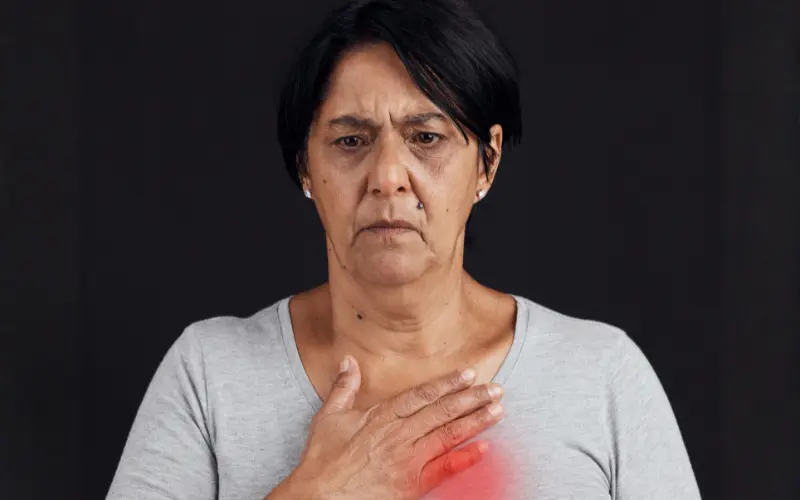
This part deserves special attention because it is where most delays happen. Women often do not get classic chest pain. They may feel breathlessness, extreme fatigue, nausea, back or jaw discomfort, indigestion-like uneasiness, or sudden weakness. Because it does not “look like” a heart attack, they wait, finish household work, and go to a doctor much later.
Diabetic patients may feel very little pain at all, because long-standing diabetes can affect the nerves. Their heart attack may show up only as breathlessness, sweating, sudden weakness, vomiting, or confusion.
So in women and diabetics, do not wait for chest pain to take the symptom seriously.
“Gas Hi Hai”- The Most Dangerous Sentence in Our Homes

Let us talk honestly about this habit, because it delays more treatment than any other reason.
The heart and the stomach share the same neighbourhood in the chest, and the nerves overlap. That is why acidity can genuinely feel like heart pain, and heart pain can genuinely feel like acidity. Even doctors do not decide this by looking at the patient. They decide with an ECG, and if needed, blood tests and further evaluation.
So when a family says “gas hai,” they are not being foolish. They are guessing about something that cannot be guessed.
The tragedy is the timing. In a heart attack, the first hour matters enormously. Damage to the heart muscle increases with every passing minute. When two hours are spent on antacids, lemon water, walking in the courtyard, and waiting for a burp, treatment starts late and recovery becomes harder.
Here is a simple rule worth putting on your fridge: if a person above 40 has chest discomfort with sweating, breathlessness, vomiting, or pain spreading to the arm or jaw, do not diagnose gas at home. Get an ECG. It takes a few minutes, costs very little, and can change everything. An ECG that turns out normal is not a waste of money. It is the cheapest peace of mind available.
Homemade Food Does Not Automatically Mean a Healthy Heart

This belief is very strong in our homes: “Hum bahar ka khana nahi khate, sab ghar ka desi ghee wala hai, hume kuch nahi hoga.”
Home food is definitely better than daily fast food. But home food is not automatically heart-friendly. What matters is what is inside it and how much of it goes in.
A typical “pure home food” day can still include multiple parathas with butter, generous ghee in every dish, fried snacks with evening tea, five to six cups of sweet tea, sweets on every occasion, heavy dinner late at night, pickles and salty papad, and almost no vegetables or fibre.
That is home-cooked, yes. Heart-friendly, no.
Then there is the “I look healthy” argument. Many people with a normal-looking body have high cholesterol, high blood pressure, or prediabetes. Thin does not mean safe. Slim people with belly fat, high stress, smoking habits, or family history can absolutely have heart risk.
The point is not to give up ghee and become miserable. The point is that no diet, no matter how traditional or home-made, replaces a yearly test report. Food habits reduce risk. Tests reveal it.
Tests Every 40+ Person Should Not Delay

This is the section most people are looking for. After 40, a basic heart and metabolic checkup should become as routine as a mobile recharge.
Here is what is commonly advised. Your doctor may adjust it depending on your symptoms, family history, and existing conditions.
Blood Pressure Check
The simplest, cheapest, most ignored test. High blood pressure is called a silent killer for a reason. It damages the heart, arteries, kidneys, eyes, and brain for years without producing a single symptom. Many people discover it only after a stroke or heart attack.
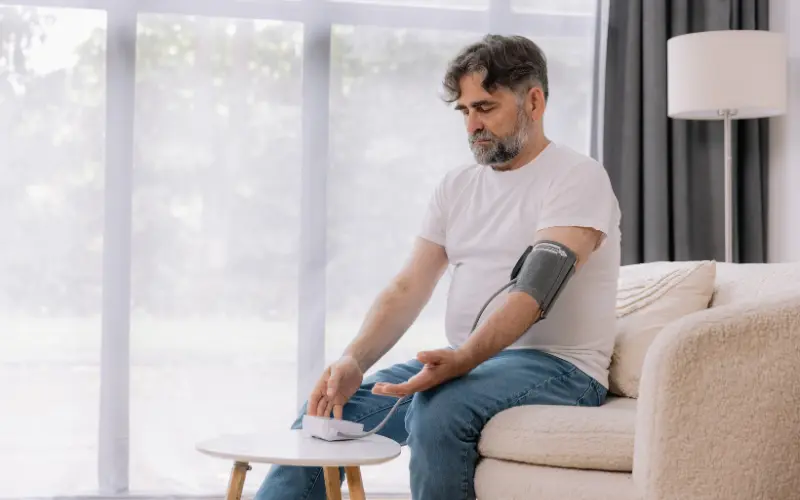
After 40, get your blood pressure checked at least a few times a year, and more often if it has been borderline or high before. If you already take BP medicines, checking at home regularly is even better.
Lipid Profile
This blood test measures cholesterol and related fats: total cholesterol, LDL (the harmful one), HDL (the protective one), and triglycerides.
Raised LDL and triglycerides can slowly narrow the arteries. There is no symptom for this. A simple fasting blood test tells you where you stand and whether diet, exercise, or medicine is needed.
Blood Sugar and HbA1c
Diabetes and heart disease travel together. Uncontrolled sugar damages blood vessels and significantly increases heart risk, and it can also hide heart attack symptoms.
Fasting blood sugar plus HbA1c gives a clear picture of the last two to three months. Anyone above 40, especially with family history, belly fat, or high blood pressure, should get this done yearly.
ECG
An ECG records the electrical activity of the heart. It takes a few minutes, causes no pain, and can pick up rhythm problems, signs of strain, and evidence of a current or previous heart attack.
It is the first test in almost every chest pain evaluation. A baseline ECG after 40 is useful even when you feel completely fine, because it gives the doctor something to compare with in future.
Echocardiography (Echo)
An echo is an ultrasound of the heart. It shows the pumping strength, the valves, the chambers, and the overall structure of the heart.
This is often advised if there is breathlessness, swelling, murmurs, palpitations, high blood pressure for many years, or an abnormal ECG. It is completely painless and gives excellent information about how well the heart is actually working.
TMT or Stress Test
In a TMT, an ECG is recorded while you walk on a treadmill, so the heart is checked under stress rather than at rest.
This matters because some blockages do not show up at rest. They only reveal themselves when the heart needs more blood. If you get chest heaviness or breathlessness on walking, climbing, or exertion, a TMT is often the test that clarifies the picture. Depending on the findings, the cardiologist may advise further evaluation.
Chest X-Ray and Other Basic Tests
A chest X-ray helps assess the heart size and lungs, which is useful when breathlessness or swelling is present. Basic blood tests such as haemoglobin, along with a physical examination, help rule out other causes of tiredness and breathlessness like anaemia.
Kidney, Thyroid, and Vitamin Levels
Heart health does not stand alone.
Kidney function tests matter because kidney problems and blood pressure feed each other. Thyroid tests matter because both an under active and overactive thyroid can affect heart rate, cholesterol, tiredness, and weight. Vitamin D and B12 levels are often low in our population and can contribute to fatigue and weakness that people mistakenly blame on the heart.
How Often Should These Tests Be Repeated
As a general approach for healthy adults above 40, a yearly checkup covering blood pressure, lipid profile, blood sugar with HbA1c, ECG, and basic blood and organ tests is a sensible baseline.
If you already have high blood pressure, diabetes, high cholesterol, obesity, a smoking or alcohol habit, a strong family history of heart disease, or existing heart treatment, your cardiologist may advise more frequent monitoring and additional tests.
And if symptoms appear, do not wait for the yearly date. Symptoms overrule the calendar.
What You Should Keep and Do at Home If You Live With Elderly Parents
If you live with parents or grandparents above 60, or with anyone who has heart disease, diabetes, or high blood pressure, a little preparation at home can genuinely save a life.
Things Every 40+ Household Should Keep Ready
- A digital blood pressure monitor, and the habit of using it correctly
- A glucometer with strips if anyone in the house is diabetic
- A written list of all current medicines with doses
- Copies of the last ECG, echo, and blood reports in one folder
- Emergency numbers saved and also written on paper near the phone
- The nearest hospital’s address and route known to everyone, including drivers and neighbours
- Any emergency medicine your doctor has specifically prescribed for the patient, such as sorbitrate or aspirin, kept where it can be found instantly, and used only as the doctor has instructed
- One family member who actually understands the patient’s condition and medicines, not five people who each know a little
The First 10 Minutes of a Suspected Heart Attack
If someone has chest discomfort with sweating, breathlessness, vomiting, or pain radiating to the arm or jaw:
- Stop all activity immediately. Do not let them walk, climb stairs, or “get some air” outside.
- Make them sit or lie in a comfortable, semi-upright position and loosen tight clothing.
- Stay calm and keep the room calm. Panic around the patient makes everything worse.
- Arrange transport to the hospital right away, or call an ambulance. Do not wait to see if it settles.
- Give the emergency medicine only if a doctor has already prescribed it for this patient and told you when to use it.
- Carry the medicine list and old reports along. It saves critical minutes in the emergency room.
- If the person becomes unresponsive and is not breathing normally, get emergency help immediately, and start chest compressions if someone present is trained.
What You Must Not Do
- Do not spend an hour trying antacids, home remedies, or waiting for a burp
- Do not give food or water to someone with severe chest pain, sweating, or vomiting
- Do not make them walk to the vehicle if it can be avoided
- Do not let them drive themselves to the hospital
- Do not delay because it is night, a holiday, or “let us see till morning”
- Do not decide it is gas because it happened after eating
- Do not take a relative’s heart medicine because the symptoms sound similar
Keep a Simple Health File
One folder, kept in a known place, changes how fast a doctor can act.
Put in the medicine list, recent reports, past ECGs and echo, discharge summaries, known allergies, and a note on ongoing conditions. In an emergency, nobody has time to search through cupboards or remember dosages. The file speaks for the patient when the family is too anxious to.
Daily Habits That Protect the Heart After 40
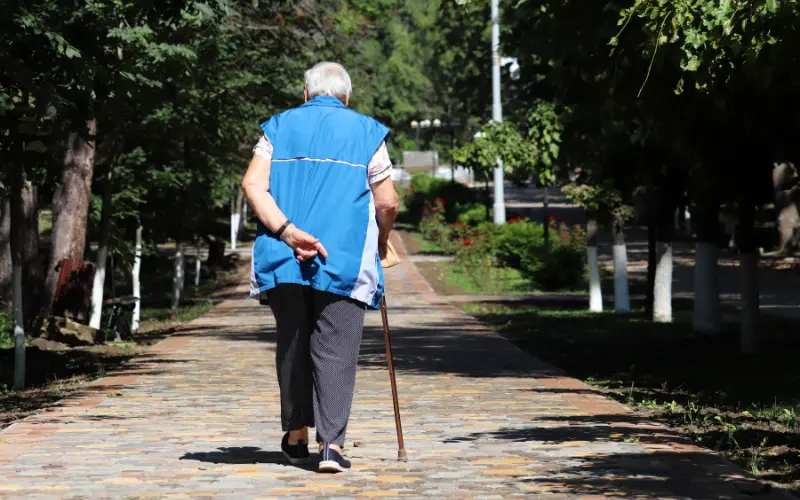
None of this needs a gym membership or a fancy diet plan. Consistency beats intensity every single time.
- Walk daily. Around 30 to 45 minutes of brisk walking most days of the week is one of the most heart-friendly habits available, and it is free.
- Fix the oil and ghee quantity. You do not need to remove it. You need to measure it. Reduce fried items to occasional, not daily.
- Cut visible sugar. Sweet tea five times a day adds up. Reduce sugar in tea, cut cold drinks and packaged juices, and keep sweets for actual occasions.
- Add fibre and vegetables. Salad, seasonal vegetables, dals, whole grains, and fruits support cholesterol, sugar, weight, and digestion together.
- Watch the salt. Pickles, papad, namkeen, and packaged snacks quietly push blood pressure up.
- Quit smoking and tobacco completely. This is the single biggest favour you can do for your arteries. There is no safe daily quota.
- Keep alcohol minimal or avoid it. It affects blood pressure, weight, triglycerides, and sleep.
- Sleep properly. Seven to eight hours of regular sleep supports blood pressure, sugar control, weight, and stress hormones.
- Manage belly fat. Waist size often tells more about heart risk than weight alone.
- Take your medicines as prescribed. Stopping BP or sugar medicines because “ab theek lag raha hai” is one of the most common and most dangerous mistakes.
- Do not stop treatment on someone’s advice. Not a neighbour’s, not a WhatsApp group’s, not a relative’s. Only your doctor’s.
- Get your yearly tests done. Habits reduce risk. Only tests confirm where you actually stand.
When You Should Rush to the Hospital Without Thinking Twice

Some symptoms deserve zero debate. Go immediately if there is:
- Chest pain, heaviness, or pressure lasting more than a few minutes
- Chest discomfort with sweating, vomiting, or extreme uneasiness
- Pain spreading to the left arm, jaw, neck, shoulder, or back
- Sudden severe breathlessness, or breathlessness while lying down
- Fainting, near-fainting, or a fast irregular heartbeat with dizziness
- Sudden weakness, slurred speech, facial drooping, or one-sided numbness
- Chest discomfort in a diabetic, elderly, or known heart patient, even if it seems mild
- Any symptom that feels different, new, and frightening to the patient
At Raja Hospital in Nawanshahr, evaluation for such symptoms can begin quickly with ECG, echo, TMT, and the required blood tests, under the guidance of an experienced cardiologist. Reaching early gives doctors more options and gives you a better outcome.
Why Raja Hospital, Nawanshahr
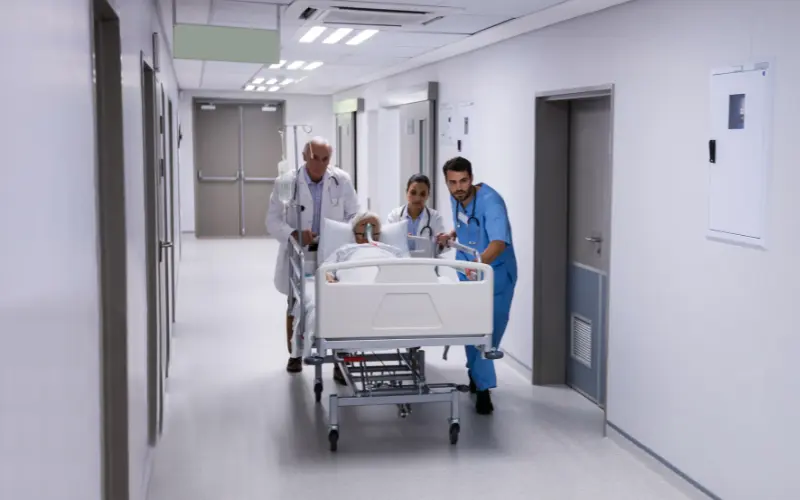
When something happens to the heart, two things matter: how fast you are evaluated, and who is reading your reports.
Raja Hospital brings both together in Nawanshahr itself, so families do not have to lose critical hours travelling to another city for a basic cardiac workup.
- Advanced diagnostic machines for accurate cardiac and routine testing
- Experienced cardiology expertise for correct interpretation and treatment planning
- Yearly heart checkups and 40+ health evaluations under one roof
- ECG, echo, TMT, and complete blood investigations available locally
- Clear guidance for patients with blood pressure, diabetes, cholesterol, and existing heart conditions
- Support for families who need help understanding medicines, reports, and follow-up
The idea is simple. You should not need a heart attack to finally get your heart checked.
Frequently Asked Questions
1. At what age should heart tests start?
For most people, a basic heart and metabolic checkup should begin by 40. If there is a family history of heart disease, diabetes, high blood pressure, obesity, or a smoking habit, your doctor may advise starting earlier.
2. How do I know if my chest pain is gas or a heart problem?
You cannot know reliably at home, and that is the honest answer. Pain that appears with exertion, settles with rest, spreads to the arm or jaw, or comes with sweating and breathlessness is more concerning. An ECG takes minutes and settles the doubt. Never assume gas in a 40+ person with these symptoms.
3. I feel completely fine. Do I still need yearly tests?
Yes. High blood pressure, high cholesterol, and early diabetes usually have no symptoms at all. Feeling fine is not evidence of a healthy heart. Tests are how you find problems while they are still easy to manage.
4. Which tests are usually included in a basic 40+ heart checkup?
Commonly blood pressure measurement, lipid profile, fasting blood sugar with HbA1c, ECG, and basic blood and organ function tests. Depending on symptoms and findings, the doctor may add echo, TMT, chest X-ray, or thyroid and kidney tests.
5. Can thin people who eat home food get heart disease?
Yes. Body weight and home cooking reduce some risk, but they do not remove it. Genetics, belly fat, blood pressure, cholesterol, sugar levels, smoking, stress, and poor sleep all matter. Many slim people are diagnosed with high cholesterol or blood pressure on their first checkup.
6. My father has BP and sugar. What should I keep ready at home?
A digital BP monitor, a glucometer if he is diabetic, an updated medicine list, recent reports in one folder, emergency contact numbers, the hospital route known to everyone, and any emergency medicine his doctor has specifically prescribed. Most importantly, a clear family rule that chest symptoms mean hospital, not home remedies.
7. Are heart attack symptoms different in women?
Often, yes. Women may have breathlessness, extreme fatigue, nausea, jaw or back discomfort, or indigestion-like uneasiness rather than classic chest pain. This is exactly why women’s symptoms get ignored for longer, so they should be checked early rather than dismissed.
Struggling with same?
Book Your Appointment With Our Expert Doctors

Conclusion
Heart health after 40 is not about living in fear. It is about dropping one bad habit: guessing.
Chest heaviness, breathlessness on normal work, pain in the arm or jaw, cold sweating, unusual tiredness, palpitations, and swelling in the feet are not things to negotiate with at home. They are signals. Sometimes they turn out to be nothing. Sometimes they are the only warning you get.
And even when there are no symptoms at all, a yearly checkup after 40 is not extra. It is basic maintenance for the one organ that never takes a day off. Blood pressure, cholesterol, sugar, and a simple ECG can tell you today what a heart attack would otherwise tell you the hard way.
If you are 40 or above in Nawanshahr, or you live with elderly parents, do not wait for a bad night to start taking this seriously. Visit Raja Hospital, Nawanshahr for your heart checkup and get evaluated by our experienced cardiologist using advanced diagnostic machines, so you get clarity, not confusion.
Your heart has been working for you for over forty years without a break. One test a year is a fair deal.