
PMOS in Nawanshahr: 9 Warning Signs Women Must Not Ignore!
REVIEWED BY Dr. Lakshita Saini (MBBS, MS Obs & Gynae) on 20th july 2026.
Irregular periods once? Maybe stress. Acne before a function? Maybe hormones. Sudden weight gain, facial hair, hair fall, mood swings, tiredness, and delayed periods happening again and again?
Now that is your body trying to start a conversation.
Many women in Nawanshahr silently adjust to these symptoms because they feel common. Some blame stress. Some blame food habits. Some blame age, studies, work pressure, or marriage-related changes. But the body does not create repeated signals without a reason.
PMOS, earlier known as PCOS, is not just about periods or ovarian cysts. It can affect hormones, metabolism, skin, weight, hair growth, fertility, mood, and long-term health. The name has changed because the condition is bigger than what many people understood earlier.
The good news? PMOS is manageable. With the right awareness, timely diagnosis, lifestyle changes, and guidance from a gynaecologist, many women can control symptoms and protect their future health.
In this guide, we’ll explain PMOS in simple language what it means, why PCOS is now being called PMOS, the warning signs women should not ignore, possible causes, lifestyle factors, diagnosis, management, and when to consult a doctor in Nawanshahr.
What Is PMOS?
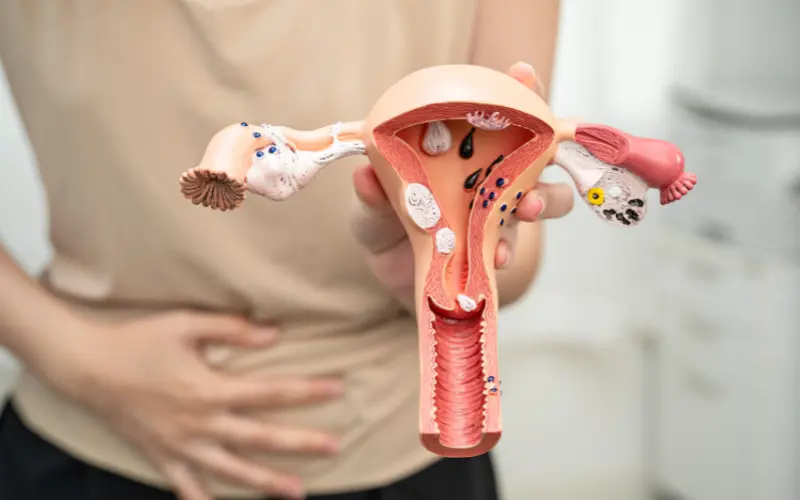
PMOS stands for Polyendocrine Metabolic Ovarian Syndrome.
In simple words, it is a condition where a woman’s hormones and metabolism do not work in the usual balance. Earlier, many people knew this condition as PCOS or PCOD. Now, the name PMOS is being used because the condition is not only about ovarian cysts. And honestly, this name change matters.
Because for years, many women heard the word “cyst” and immediately thought, “Do I have something dangerous in my ovaries?” Others thought, “If there are no cysts, then I don’t have PCOS.”
Both ideas can create confusion.
PMOS gives a clearer picture. It tells us that the condition may involve:
- Hormonal imbalance
- Irregular periods
- Weight gain or difficulty losing weight
- Acne and oily skin
- Facial hair growth or excess body hair
- Hair fall or thinning
- Insulin resistance
- Fertility-related concerns
- Mood swings and tiredness
So, PMOS is not just a “period issue.”
It can affect the way the body handles hormones, sugar levels, ovulation, weight, skin, and reproductive health.
Why Was PCOS Renamed PMOS?
The older name, PCOS, focused mainly on the ovaries and cysts. But many women with this condition may not even have visible cysts. On the other hand, some women may have cyst-like changes in the ovaries but may not understand the deeper hormonal or metabolic problem behind it.
That is where the newer name, PMOS, makes more sense.
Let’s break it down:
- Polyendocrine means more than one hormone system may be involved
- Metabolic means the body’s sugar, insulin, weight, and energy balance may be affected
- Ovarian means it can still impact periods, ovulation, and fertility
- Syndrome means it can show up through different symptoms in different women
This is why two women with PMOS may not look the same.
One woman may have irregular periods and acne. Another may have weight gain and facial hair. Someone else may have normal weight but difficulty conceiving. That is exactly why self-diagnosis can be misleading.
Is PMOS Common?
Yes, PMOS is common among women, especially during reproductive age. But here is the part many people miss: Common does not mean harmless.
Irregular periods may feel normal because many women around you may have the same issue. Acne may feel like a skin problem. Weight gain may feel like a lifestyle problem. Hair fall may feel like stress.
But when these symptoms keep coming together, the body may be giving a signal.
The good thing is that PMOS can be managed better when it is understood early. With proper diagnosis, lifestyle correction, and guidance from a gynaecologist, women can take control of their symptoms instead of silently adjusting to them.
Why Women in Nawanshahr Should Not Ignore PMOS
PMOS is one of those health conditions that often enters quietly. It may not start with something dramatic. No emergency. No sudden pain. No big warning sign that forces you to run to a doctor.
Sometimes, it starts like this:
- Periods getting delayed again and again
- Acne that does not settle easily
- Weight increasing despite “normal eating”
- Hair growth on the face, chin, or upper lip
- Hair fall that feels more than usual
- Mood swings, tiredness, or constant cravings
- Difficulty in conceiving after trying
And because these symptoms feel common, many women ignore them. That is exactly where the problem begins.
Irregular Periods Are Not Always Normal
In many families, irregular periods are casually dismissed. Some people assume it is because of stress. Some think it will improve after marriage. Some believe weight loss alone will solve everything. Some simply say that period changes are common in women. But repeated irregular periods should not be taken casually.
A delayed period once in a while can happen because of stress, travel, illness, poor sleep, exams, or sudden lifestyle changes. But if periods are irregular again and again, it is important to understand the reason.
PMOS can disturb ovulation, which means the egg may not release regularly every month. When ovulation is disturbed, periods can become delayed, unpredictable, very light, very heavy, or absent for months.
That is not something to panic about. But it is definitely something to check.
PMOS Can Affect Confidence Too
PMOS is not only a medical issue. For many women, it slowly becomes an emotional issue. Because symptoms like acne, weight gain, facial hair, and hair fall are visible.
A woman may avoid photos.
- She may feel uncomfortable at family functions.
- She may stop wearing certain clothes.
- She may feel irritated when relatives comment on her weight, skin, or marriage plans.
And the worst part?
Many women start blaming themselves. But PMOS is not a character flaw. It is not laziness. It is not “just because you ate wrong.” It is a hormonal and metabolic condition that needs understanding, not judgment.
Ignoring PMOS Can Make Management Harder Later
The earlier PMOS is identified, the better it can be managed.
But when symptoms are ignored for months or years, the confusion can grow. Periods may become more irregular. Weight may become harder to manage. Skin and hair symptoms may increase. Fertility planning may become stressful later.
PMOS may also be linked with insulin resistance, which means the body may struggle to use insulin properly. This can affect sugar balance, cravings, weight, and long-term health.
That is why PMOS should not be seen as only a “period problem.”
It can be connected with:
- Hormonal health
- Metabolic health
- Skin and hair changes
- Weight management
- Fertility and ovulation
- Emotional well-being
- Long-term health risks
Families Should Also Understand PMOS
In Nawanshahr and nearby areas, many women still hesitate to openly talk about periods, facial hair, fertility concerns, or hormonal problems.
- Some feel shy.
- Some feel they will not be taken seriously.
- Some are scared of being judged.
- Some keep waiting because they think the problem will settle on its own.
This is why family awareness matters. When a daughter, wife, sister, or mother says her periods are irregular or she is noticing unusual body changes, the answer should not be, “Itna mat socho.”
The better answer is:
“Let’s get it checked once.”
That one supportive response can save months of confusion.
The Main Point
PMOS is manageable, but ignoring it is not a smart strategy.
If symptoms keep repeating, the goal should not be to guess the reason from Google, Instagram, or home remedies. The goal should be to understand what is happening inside the body and take the right step at the right time.
Because when women understand PMOS early, they do not just manage symptoms better. They protect their confidence, fertility, lifestyle, and future health.
Common Symptoms of PMOS
PMOS does not look the same in every woman. That is one big reason it gets ignored.
One woman may mainly struggle with irregular periods. Another may notice acne and facial hair. Someone else may have weight gain, hair fall, or difficulty conceiving.
And some women may have mild symptoms for years without realising that their hormones need attention. So instead of waiting for one “perfect symptom,” it is better to notice the pattern.
Here are the warning signs women should not ignore.
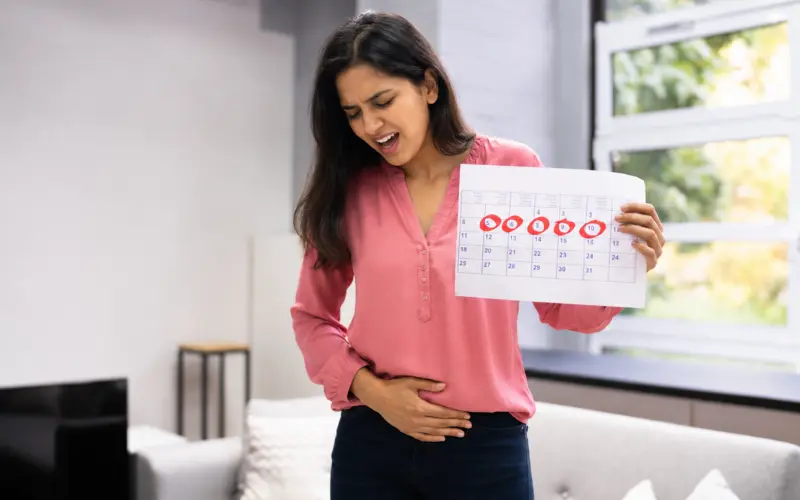
1. Irregular or Delayed Periods
This is one of the most common signs of PMOS.
Periods may come late, skip months, or become unpredictable. Some women may get periods after 35–40 days. Some may not get them for two or three months.
A little delay once in a while can happen due to stress, travel, illness, or sudden routine changes. But repeated irregular periods are not something to casually accept.
Your menstrual cycle is like a monthly report card of your hormonal health. If it keeps changing again and again, your body may be asking for attention.
2. Heavy, Light, or Unusual Bleeding
PMOS does not only mean delayed periods.
Some women may experience:
- Very heavy bleeding
- Very light bleeding
- Spotting between periods
- Painful periods
- Periods that last longer than usual
- Periods that come after a long gap
When ovulation is disturbed, the period pattern can also become disturbed. So, any repeated change in bleeding pattern should be discussed with a gynaecologist.
3. Acne and Oily Skin
Acne is often treated only as a skin problem. Many women keep changing face washes, creams, skincare routines, or salon treatments. But if acne keeps coming back, especially around the chin, jawline, cheeks, chest, or back, hormones may be involved.
PMOS can increase androgen levels, which may trigger oily skin and stubborn acne. This acne may not respond properly to normal skincare because the root issue may be internal. That is why treating only the skin may not be enough.
4. Facial Hair Growth or Excess Body Hair
Unwanted hair growth on the face can be emotionally stressful for many women.
It may appear on the:
- Chin
- Upper lip
- Jawline
- Chest
- Stomach
- Back
Many women keep managing it with threading, waxing, shaving, or laser sessions. But if the growth is increasing or becoming thicker, it may be linked with hormonal imbalance.
This does not mean you should panic. It simply means the body needs proper evaluation.
5. Hair Fall or Hair Thinning
PMOS can also affect scalp hair.
Some women notice more hair fall during brushing, washing, or oiling. Others may feel their hair is becoming thinner around the front or crown area.
This can feel confusing because PMOS may cause excess hair growth on the face or body, while also causing hair thinning on the scalp. That is why PMOS can be frustrating. It affects confidence from both sides.
6. Sudden Weight Gain or Difficulty Losing Weight
Many women with PMOS say the same thing:
“I don’t even eat that much, still weight badh raha hai.”
PMOS may make weight management harder, especially when insulin resistance is involved. The body may store fat more easily, cravings may increase, and losing weight may feel slower than expected.
Common signs may include:
- Weight gain around the belly
- Frequent cravings for sweets or carbs
- Feeling hungry soon after meals
- Low energy after eating
- Difficulty losing weight despite effort
But here is something important: PMOS is not only seen in overweight women. Thin women can also have PMOS. So, weight is one sign, not the full story.
7. Mood Swings, Tiredness, and Low Energy
PMOS can also affect how a woman feels daily. Some women may feel tired even after resting. Some may feel irritated, low, anxious, or emotionally sensitive. Others may struggle with cravings, poor sleep, or lack of motivation.
Sadly, these symptoms are often dismissed as “overthinking” or “mood problem.”
But hormones can affect mood, energy, appetite, sleep, and mental well-being.
So, if emotional changes are happening along with irregular periods, acne, hair growth, or weight changes, PMOS should be considered.
8. Difficulty in Conceiving
PMOS can affect ovulation. Ovulation means the release of an egg from the ovary. If ovulation does not happen regularly, periods may become irregular and pregnancy planning may become difficult.
This does not mean every woman with PMOS will face infertility.
That is a myth. Many women with PMOS can conceive with the right medical guidance, lifestyle correction, and treatment when needed. But if a woman is trying to conceive and periods are irregular, she should not delay consultation.
Early guidance can reduce stress and confusion.
9. Dark Skin Patches or Increased Cravings
Some women with PMOS may notice dark, velvety skin patches around the neck, underarms, or other body folds. This can sometimes be connected with insulin resistance.
Other signs may include:
- Frequent sugar cravings
- Energy crashes
- Belly weight gain
- Feeling sleepy after meals
- Difficulty controlling appetite
These signs are easy to ignore because they look like lifestyle issues.
But when they appear with irregular periods or other PMOS symptoms, they should be taken seriously.
Symptoms Can Be Different for Every Woman
This is the most important thing to remember. PMOS does not follow one fixed pattern.
Some women have obvious symptoms. Some have hidden symptoms. Some have regular-looking body weight but disturbed hormones. Some may only discover PMOS when they start planning pregnancy.
So, the goal is not to compare your symptoms with someone else. The goal is to listen to your own body.
If your periods, skin, hair growth, weight, energy, or fertility pattern has changed repeatedly, it is better to consult a gynaecologist and understand the reason instead of guessing. PMOS is manageable, but only when it is recognized at the right time.
Possible Causes and Risk Factors of PMOS
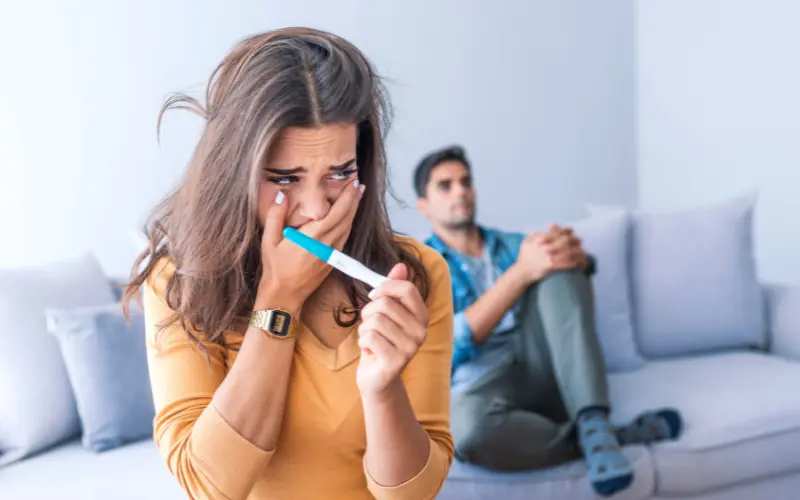
PMOS does not usually happen because of one single reason.
It is not as simple as saying, “This happened because you gained weight” or “This happened because you ate unhealthy food.”
That kind of thinking is too shallow. PMOS is usually connected with a mix of hormonal, metabolic, genetic, and lifestyle-related factors. In some women, one factor may be stronger. In others, a combination of factors may be involved.
That is why PMOS needs proper evaluation instead of guesswork.
1. Hormonal Imbalance
Hormones control many important functions in a woman’s body, including periods, ovulation, skin health, hair growth, mood, and metabolism. In PMOS, this hormonal balance may get disturbed.
One common issue is increased androgen levels. Androgens are often called “male-type hormones,” but women also naturally have them in smaller amounts. When these levels become higher than usual, they may lead to symptoms such as:
- Acne
- Oily skin
- Facial hair growth
- Excess body hair
- Hair thinning on the scalp
- Irregular ovulation
- Irregular periods
This is why PMOS can show up on the skin, hair, menstrual cycle, and fertility at the same time. The body is connected. Symptoms are rarely random.
2. Insulin Resistance
Insulin is a hormone that helps the body use sugar from food for energy.
In some women with PMOS, the body does not respond to insulin properly. This is called insulin resistance.
When insulin resistance happens, the body may produce more insulin to manage blood sugar levels. Higher insulin levels may then affect hormone balance and may increase androgen production.
This can create a cycle where:
- Cravings increase
- Weight becomes harder to manage
- Belly fat may increase
- Periods become irregular
- Acne or facial hair may worsen
- Energy levels may feel unstable
This is one reason PMOS is not only a gynaecological condition. It also has a metabolic side.
3. Family History
PMOS can sometimes run in families.
If a mother, sister, or close female relative has had PCOS, PMOS, irregular periods, infertility concerns, excess facial hair, or diabetes-related issues, the risk may be higher.
This does not mean every woman with family history will definitely develop PMOS.
It simply means she should be more aware of the signs. Family history is like a warning light. It does not confirm the condition, but it tells you to pay attention earlier.
4. Weight Gain and Body Fat Percentage
Weight gain can worsen PMOS symptoms in many women, especially when insulin resistance is involved.
But this point needs to be understood carefully. PMOS is not caused only by weight gain, and it is not seen only in overweight women.
Many women with normal body weight or thin body structure can also have PMOS. That is why judging PMOS only by body size is a mistake.
Still, excess body fat, especially around the belly, may disturb insulin function and hormone balance. This can make symptoms more noticeable or harder to manage.
So, the goal is not crash dieting. The goal is better metabolic health.
5. Poor Lifestyle Routine
Today’s routine plays a major role in hormonal health. Many women spend long hours sitting, studying, working, using screens, travelling, or managing home responsibilities with very little physical movement.
Over time, this may affect weight, insulin sensitivity, sleep quality, stress levels, and energy balance.
Some lifestyle patterns that may worsen PMOS symptoms include:
- Long sitting hours
- Lack of exercise
- Irregular meal timings
- High intake of refined carbohydrates
- Frequent sugary foods or drinks
- Poor sleep routine
- Late-night screen use
- High stress
- Skipping meals and overeating later
Lifestyle may not be the only cause of PMOS, but it can definitely influence how strongly symptoms appear.
6. Stress and Poor Sleep
Stress is not just “mental pressure.”
It affects the body too. When stress levels remain high for a long time, the body’s hormonal rhythm may get disturbed. Poor sleep can make this worse because the body repairs, resets, and balances many hormonal functions during rest.
Many women ignore sleep as if it is optional. But hormones love routine.
Irregular sleep, late nights, overthinking, emotional stress, and constant tiredness may all make PMOS symptoms harder to manage.
This is why PMOS management is not only about food and medicines. Sleep and stress control also matter.
7. Unhealthy Eating Patterns
Food habits can influence insulin, weight, cravings, inflammation, and energy levels. This does not mean one slice of cake causes PMOS. The problem is repeated patterns.
For example:
- Too many sugary foods
- Frequent refined flour-based foods
- Sweetened drinks
- Low protein intake
- Low fibre intake
- Skipping breakfast
- Eating very late at night
- Crash dieting
- Emotional eating
- Frequent packaged snacks
Such habits may worsen insulin resistance and weight-related symptoms in some women.
A PMOS-friendly diet does not mean extreme restriction. It means building a balanced plate that supports hormones, energy, and long-term health.
8. Lack of Physical Activity
Movement improves how the body uses insulin, manages weight, supports mood, and maintains energy. But many women wait for the “perfect fitness plan.” That is where they get stuck.
PMOS does not always need a complicated workout routine in the beginning. Even simple consistency can help.
Walking, strength training, stretching, cycling, dancing, or any regular physical activity can support better metabolic health.
The main problem is not that women do not know exercise is important. The real problem is that they wait for motivation. PMOS management works better with routine, not mood.
9. Thin Women Can Also Have PMOS
This point deserves special attention. Many people assume that only overweight women get PMOS. That is not true.
Thin women can also have PMOS due to hormonal imbalance, insulin resistance, family history, or ovulation-related issues.
Because they do not “look like” the typical idea of a PMOS patient, their symptoms may be ignored for longer.
A thin woman with irregular periods, acne, facial hair, hair fall, or fertility concerns should still get evaluated. Body weight does not tell the full hormonal story.
The Main Point
PMOS is not caused by one bad habit or one lifestyle mistake. It is usually a combination of internal and external factors. Hormones, insulin, genetics, weight, sleep, stress, food habits, and activity levels can all play a role.
That is why the right approach is not blame. The right approach is awareness, diagnosis, and a practical management plan.
When the root factors are understood early, PMOS becomes easier to manage with the right medical guidance and lifestyle correction.
How Today’s Lifestyle Is Making PMOS More Common

PMOS may have internal causes, but today’s lifestyle can make symptoms more noticeable and harder to manage.
Small daily habits, when repeated for months or years, can quietly affect hormones, weight, insulin, sleep, stress, and periods.
Lifestyle Factors That May Worsen PMOS
- Long sitting hours: Sitting for most of the day can reduce physical activity and may affect weight management, insulin sensitivity, energy levels, and metabolic health.
- Poor sleep routine: Late-night screen time, irregular sleep, and lack of proper rest can disturb hormonal balance and make tiredness, cravings, mood swings, and irregular periods worse.
- High stress levels: Continuous emotional pressure, studies, work stress, family responsibilities, body image concerns, or fertility worries can affect hormones, appetite, sleep, and menstrual cycles.
- Unhealthy eating patterns: Frequent sugary foods, refined carbohydrates, fried snacks, packaged foods, sweetened drinks, low protein intake, and low fibre intake may worsen insulin resistance and PMOS symptoms.
- Skipping meals: Long gaps between meals or skipping breakfast can lead to cravings, overeating later, energy crashes, and poor blood sugar balance.
- Low physical activity: Lack of regular movement can make weight management and insulin sensitivity more difficult. Daily walking, stretching, strength activity, or any consistent exercise can support better hormonal health.
- Lack of strength training: Muscle activity helps the body use glucose better. Simple strength exercises, resistance bands, light weights, or guided workouts may support metabolic health in women with PMOS.
- Frequent crash dieting: Extreme dieting may disturb energy levels, increase cravings, and make the body feel stressed. PMOS management needs balanced nutrition, not punishment.
- Excess screen time: Long hours on mobile phones, laptops, and social media can affect sleep, posture, stress levels, and daily movement.
- Delayed medical consultation: Many women keep waiting because symptoms feel manageable. But repeated irregular periods, acne, facial hair, weight gain, or hair fall should be checked instead of ignored.
- Social media health confusion: Random diet plans, detoxes, supplements, and one-size-fits-all advice can mislead women. PMOS is different for every woman, so proper diagnosis and medical guidance matter.
- Lack of routine: Hormones respond better to consistency. Regular sleep, balanced meals, daily movement, stress control, and timely checkups can make PMOS easier to manage.
- The main concern: PMOS management is not about making perfect lifestyle changes overnight. It is about building simple, consistent habits that support the body instead of silently worsening the symptoms.
How PMOS Is Diagnosed
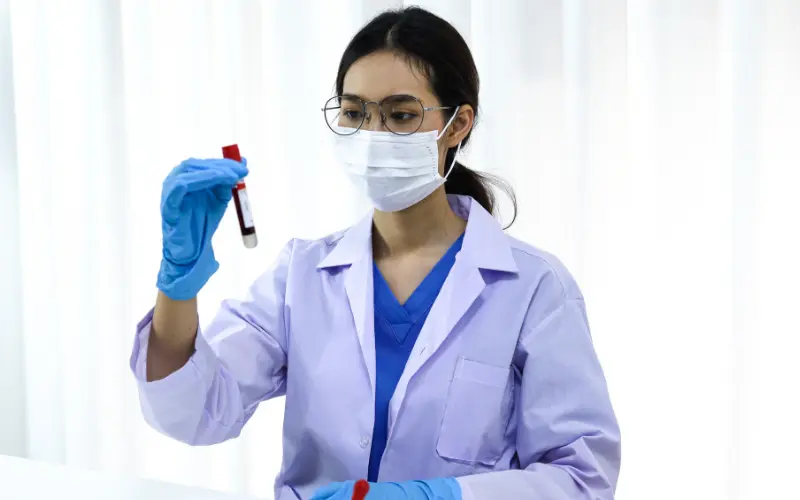
PMOS cannot be confirmed just by looking at one symptom.
Irregular periods, acne, facial hair, weight gain, or hair fall can give strong clues, but proper diagnosis needs a complete evaluation by a gynaecologist. This is important because similar symptoms can also happen due to thyroid issues, stress, high prolactin levels, or other hormonal conditions.
That is why self-diagnosis can be confusing. A proper diagnosis helps a woman understand what is actually happening inside her body and what kind of treatment or lifestyle changes she may need.
1. Detailed Medical History
The first step is usually a discussion about symptoms and health history.
The doctor may ask about:
- Period cycle length
- Missed or delayed periods
- Heavy or light bleeding
- Acne or oily skin
- Facial hair growth
- Hair fall or thinning
- Weight gain or difficulty losing weight
- Cravings and tiredness
- Pregnancy planning or fertility concerns
- Family history of PMOS, diabetes, or hormonal problems
This discussion is important because PMOS does not look the same in every woman. Some symptoms may look small, but together they can reveal a pattern.
2. Period and Ovulation Pattern
PMOS often affects ovulation. Ovulation means the release of an egg from the ovary. When ovulation is irregular, periods may become delayed, unpredictable, or absent for months.
A gynaecologist may ask questions like:
- How many days are there between periods?
- Are periods regular or unpredictable?
- Are periods very heavy or very light?
- Are there long gaps between cycles?
- Is there spotting between periods?
- Are you trying to conceive?
Tracking periods for a few months can help the doctor understand the pattern better.
This is why women should not ignore repeated cycle changes. The menstrual cycle can give important information about hormonal health.
3. Physical Symptoms Check
The doctor may also check visible signs that can be linked with hormonal imbalance.
These may include:
- Acne
- Excess facial or body hair
- Hair thinning on the scalp
- Weight gain, especially around the belly
- Dark skin patches around the neck or underarms
- Signs of insulin resistance
- Blood pressure or weight-related concerns
These signs do not confirm PMOS alone, but they help complete the clinical picture.
4. Blood Tests
Blood tests may be advised to check hormone levels and metabolic health.
Depending on the symptoms, the doctor may suggest tests related to:
- Androgen levels
- Thyroid function
- Prolactin levels
- Blood sugar
- Insulin resistance
- Cholesterol levels
- Other hormone markers, if needed
These tests help the doctor understand whether symptoms are due to PMOS or another condition that may look similar.
This matters because the wrong assumption can lead to the wrong treatment.
5. Ultrasound, If Needed
An ultrasound may be suggested to check the ovaries and uterus. It can help the doctor see ovarian appearance, follicle pattern, and other reproductive health details.
But here is an important point: PMOS is not only about cysts.
Some women may have PMOS symptoms even if cysts are not clearly seen. Some may have ovarian changes but need further evaluation to understand the full condition.
So, ultrasound is helpful in many cases, but it is not the only thing that decides PMOS.
Diagnosis should always be based on the complete picture; symptoms, cycle pattern, physical signs, blood tests, and medical judgment.
6. Why Google or Social Media Diagnosis Is Risky
Many women search their symptoms online and immediately assume they have PMOS.
Others do the opposite. They read one post, feel their symptoms are “not that serious,” and delay consultation. Both can be risky.
PMOS symptoms can overlap with other health issues, such as:
- Thyroid imbalance
- High prolactin levels
- Stress-related cycle changes
- Nutritional deficiencies
- Other hormonal conditions
- Weight-related metabolic changes
This is why guessing is not enough. A gynaecologist can help identify the real cause and guide the right next step.
The Main Point
PMOS diagnosis is not about one test or one symptom.
It is about connecting the dots. Irregular periods, acne, facial hair, weight changes, hair fall, cravings, tiredness, or fertility concerns should be discussed properly instead of being ignored or self-treated.
Once the reason is clear, management becomes easier. The right diagnosis can help women avoid confusion, reduce unnecessary fear, and start the correct treatment or lifestyle plan at the right time.
How to Manage PMOS Naturally and Medically

PMOS management is not about one magic tablet, one strict diet, or one viral home remedy. It usually needs a balanced approach that includes lifestyle correction, proper diagnosis, medical guidance, and regular follow-up.
Practical Ways to Manage PMOS
PMOS can be managed better when the plan is realistic and consistent. The goal is to support hormonal health, metabolic health, period regularity, skin, weight, fertility, and overall well-being.
- Start with proper diagnosis: Before starting any treatment, it is important to know whether the symptoms are actually due to PMOS or another condition like thyroid imbalance, stress, high prolactin levels, or nutritional deficiencies.
- Improve food habits without extreme dieting: A PMOS-friendly diet does not mean starving or removing every favourite food. Focus on protein, fibre-rich foods, vegetables, fruits, pulses, whole grains, portion control, and regular meal timings.
- Reduce frequent sugar and refined foods: Sugary drinks, sweets, refined flour-based foods, fried snacks, and packaged foods may worsen cravings, weight gain, insulin resistance, and energy crashes in some women.
- Exercise regularly: Brisk walking, cycling, yoga, dancing, stretching, home workouts, or gym training can support weight management, insulin sensitivity, mood, and hormonal health.
- Add strength activity: Strength training, resistance bands, light weights, or bodyweight exercises can help improve muscle activity. Better muscle activity may support glucose use and metabolic health.
- Manage weight in a healthy way: Weight management may improve PMOS symptoms, especially when insulin resistance is involved. But the goal should be better health, not crash dieting or body shaming.
- Fix sleep routine: Regular sleep, reduced late-night screen time, and better rest can support hormonal balance, energy levels, cravings, and mood.
- Control stress: Long-term stress may affect periods, appetite, sleep, and hormonal balance. Relaxation, movement, outdoor time, emotional support, and proper rest can help the body recover.
- Take medicines only under medical guidance: Some women may need medicines for irregular periods, acne, excess hair growth, insulin resistance, ovulation, or fertility concerns. Treatment should always depend on symptoms, tests, and doctor’s advice.
- Do not copy someone else’s prescription: PMOS is different for every woman. A medicine or supplement that helped one person may not be suitable for another.
- Get fertility support if pregnancy is planned: PMOS can affect ovulation, but it does not mean every woman will face infertility. With the right guidance, many women with PMOS can plan pregnancy successfully.
- Go for regular follow-up: PMOS management is not a one-time process. Period pattern, skin symptoms, hair growth, weight, blood sugar, fertility goals, and response to treatment should be monitored regularly.
- Avoid depending only on home remedies: Home remedies, social media advice, detoxes, and random diet plans may delay proper care. PMOS needs a clear plan based on diagnosis, lifestyle, and medical guidance.
- The main focus: PMOS becomes easier to manage when lifestyle and medical care work together through balanced food, regular movement, better sleep, stress control, timely treatment, and consistent follow-up.
When Should You Consult a Gynaecologist for PMOS?

PMOS symptoms should not be ignored when they keep repeating or start affecting periods, skin, weight, confidence, or fertility.
Early consultation can help identify the real cause and prevent unnecessary delay, confusion, and self-treatment.
Signs That You Should Not Delay Consultation
A gynaecologist can diagnose PMOS properly and guide the right treatment based on symptoms, test results, lifestyle, and health goals. Women in Nawanshahr should consider medical consultation if they notice these signs.
- Irregular periods: Periods are delayed, missed, unpredictable, too light, or too heavy for 2–3 months.
- No periods for months: Periods stop for a long time without pregnancy, menopause, or a known reason.
- Stubborn acne: Acne keeps returning, especially around the chin, jawline, cheeks, chest, or back.
- Facial hair growth: Hair growth increases on the chin, upper lip, jawline, chest, stomach, or back.
- Hair fall or thinning: Scalp hair fall increases or hair starts thinning along with period changes.
- Uncontrolled weight gain: Weight gain, belly fat, cravings, or difficulty losing weight becomes noticeable.
- Dark skin patches: Dark, velvety patches appear around the neck, underarms, or body folds.
- Low energy and cravings: Tiredness, sugar cravings, mood changes, or sleep issues become frequent.
- Difficulty conceiving: Pregnancy planning becomes stressful due to irregular periods or delayed ovulation.
- Low confidence: Acne, facial hair, hair fall, or weight gain starts affecting self-image.
- Home remedies fail: Symptoms continue despite diet changes, skincare, or home remedies.
- Online advice confuses you: Random diets, supplements, or detoxes create more doubt than clarity.
- Family history exists: Close family members have PMOS, irregular periods, diabetes, or fertility concerns.
- Body feels different: Repeated changes in periods, skin, hair, weight, mood, or energy should be checked.
- The main point: Do not wait for symptoms to become severe; repeated PMOS signs need timely gynaecologist consultation.
Frequently Asked Questions:
1. What is PMOS?
PMOS stands for Polyendocrine Metabolic Ovarian Syndrome. It is a hormonal and metabolic condition that can affect periods, ovulation, skin, hair growth, weight, insulin balance, and fertility.
2. Is PMOS the same as PCOS?
Yes, PMOS is the newer name being used for the condition earlier known as PCOS. The new name gives a clearer picture because the condition is not only about ovarian cysts; it also involves hormones and metabolism.
3. Why is PCOS now called PMOS?
PCOS was mainly focused on ovaries and cysts, but many women with this condition may have symptoms related to hormones, insulin resistance, weight, skin, hair, and fertility. PMOS explains the condition more accurately.
4. What are the first signs of PMOS?
The early signs may include irregular periods, delayed periods, acne, oily skin, facial hair growth, hair fall, sudden weight gain, cravings, tiredness, or mood changes.
5. Can PMOS affect pregnancy?
PMOS can affect ovulation, which may make pregnancy planning difficult for some women. But it does not mean every woman with PMOS will face infertility. With proper guidance and treatment, many women with PMOS can conceive.
6. Can thin women have PMOS?
Yes, thin women can also have PMOS. Body weight alone does not decide whether a woman has PMOS or not. Hormonal imbalance, insulin resistance, family history, and ovulation problems can also play a role.
Struggling with same?
Book Your Appointment With Our Expert Doctors

Conclusion:
PMOS is common, but it should not be ignored. Irregular periods, acne, facial hair growth, hair fall, sudden weight gain, tiredness, cravings, mood changes, or difficulty conceiving may look like separate problems at first. But when these signs keep repeating, they may point toward a deeper hormonal and metabolic imbalance.
The good thing is that PMOS can be managed. With timely diagnosis, healthy lifestyle changes, proper medical guidance, and regular follow-up, women can control symptoms and protect their long-term health. The key is to stop guessing, stop delaying, and stop treating repeated symptoms as “normal.” PMOS is not something to fear. But it is definitely something to understand.
If you are noticing symptoms of PMOS in Nawanshahr, visit Raja Hospital and consult Dr. Lakshita Saini, expert gynaecologist, for proper evaluation, diagnosis, and personalized guidance.