
Carpal Tunnel Surgery in Nawanshahr: 7 Warning Signs of Hand Numbness!

REVIEWED BY Dr. Joravar Singh Saini (MBBS, MS, Orthopaedics) on 31 july 2026.
Hand numbness usually does not scare people in the beginning. A little tingling in the fingers. A strange burning feeling at night. A weak grip while holding a cup, phone, or pen. Most people ignore these signs because the pain is not “serious enough” yet. Some blame it on overwork. Some think it is because of cervical pain. Some take painkillers and wait for it to settle on its own.
But here is the problem: when numbness, tingling, and weakness keep coming back, your hand may not be asking for rest. It may be warning you about Carpal Tunnel Syndrome.
Carpal Tunnel Syndrome happens when pressure builds on the median nerve in the wrist. This nerve helps control sensation and movement in parts of the hand. When it gets compressed, patients may feel numbness, tingling, pain, or weakness, especially in the thumb, index finger, middle finger, and part of the ring finger.
The confusing part is that many patients mistake it for cervical pain or general weakness. That delay can make the condition worse. In the early stage, some patients may improve with medicines, wrist support, activity changes, or physiotherapy. But when nerve compression becomes severe, carpal tunnel surgery may be needed to release the pressure and protect hand function.
In this article, the Orthopedic Department at Raja Hospital, Nawanshahr explains the 7 warning signs of hand numbness, how to understand the difference between cervical pain and Carpal Tunnel Syndrome, when medicines may help, when surgery may become necessary, and what recovery after carpal tunnel surgery usually looks like.
Because your hand should not reach the stage where holding everyday things becomes a struggle.
What Is Carpal Tunnel Syndrome?

Carpal Tunnel Syndrome is a condition where one of the main nerves of the hand, called the median nerve, gets compressed at the wrist. Think of the carpal tunnel as a narrow passage inside your wrist.
Through this passage, nerves and tendons travel into the hand. When there is swelling, pressure, or reduced space inside this tunnel, the median nerve gets squeezed. And once that nerve is under pressure, the hand starts sending signals.
Not always as pain.
Sometimes, it starts quietly.
- A little numbness.
- A tingling feeling.
- A burning sensation.
- A weak grip.
- A strange heaviness in the fingers.
That is why many people ignore it in the beginning.
Why Does It Affect Specific Fingers?
Carpal Tunnel Syndrome usually affects the:
- Thumb
- Index finger
- Middle finger
- Part of the ring finger
This happens because the median nerve supplies sensation to these areas.
So, when a patient says, “My fingers feel numb, especially at night,” or “I feel tingling in my thumb and first two fingers,” an orthopedic doctor may suspect Carpal Tunnel Syndrome after examination.
The little finger is usually not involved in typical Carpal Tunnel Syndrome. This small detail often helps doctors understand whether the numbness is coming from the wrist, the neck, or another nerve-related issue.
Why Early Diagnosis Matters
Here is where most patients make a mistake. They wait for pain to become unbearable. But Carpal Tunnel Syndrome is not only about pain. It is about nerve pressure. And nerves do not always complain loudly in the beginning.
In early stages, treatment may include medicines, wrist support, activity changes, physiotherapy, or lifestyle correction. But when the pressure continues for too long, the nerve may become weaker.
That is when symptoms can shift from simple tingling to more serious problems like reduced grip strength, constant numbness, or difficulty holding objects.
So, the goal is not to create fear. The goal is to catch the problem before the hand starts losing function.
Because the earlier Carpal Tunnel Syndrome is diagnosed, the better the chances of managing it with the right treatment plan.
Early Symptoms of Carpal Tunnel Syndrome People Often Ignore
The early signs of Carpal Tunnel Syndrome are usually not dramatic. That is why many patients keep delaying the consultation. They adjust their hand position, shake the wrist, take painkillers, or simply wait. But if the same symptoms keep coming back, the nerve may already be under pressure.
7 Warning Signs of Hand Numbness You Should Not Ignore
These symptoms may appear slowly in the beginning, but they can affect daily work, sleep, and grip strength over time.
- Numbness in the thumb, index finger, middle finger, or part of the ring finger
- Tingling sensation in the fingers, especially during the night
- Burning or electric-shock-like feeling in the hand
- Pain that starts from the wrist and may move toward the hand or forearm
- Weak grip while holding a cup, phone, pen, or household object
- Dropping things frequently without realizing the hand has become weak
- Feeling temporary relief after shaking or moving the hand
Is It Carpal Tunnel Syndrome or Cervical Pain?

Hand numbness often creates confusion because both Carpal Tunnel Syndrome and cervical problems can cause tingling, pain, or weakness. But the source of the problem is different.
In Carpal Tunnel Syndrome, the nerve is compressed at the wrist. In cervical pain, the nerve may be affected near the neck or spine.
| Point of Difference | Carpal Tunnel Syndrome | Cervical Pain |
| Main problem area | Wrist | Neck or cervical spine |
| Numbness usually felt in | Thumb, index finger, middle finger, and part of ring finger | Arm, shoulder, hand, or fingers depending on the affected nerve |
| Neck pain | Usually absent | Commonly present |
| Night symptoms | Often worse at night | May or may not worsen at night |
| Hand grip weakness | Can happen, especially in advanced cases | Can happen if nerve compression affects arm strength |
| Relief pattern | Shaking the hand may give temporary relief | Neck posture changes may affect symptoms |
| Diagnosis | Clinical examination and nerve-related tests may be advised | Neck examination and imaging/tests may be advised |
This is why self-diagnosis can delay the right treatment. If numbness keeps returning, an orthopedic evaluation can help identify whether the problem is from the wrist, neck, or another cause.
When Should You Consult a Doctor for Hand Numbness?
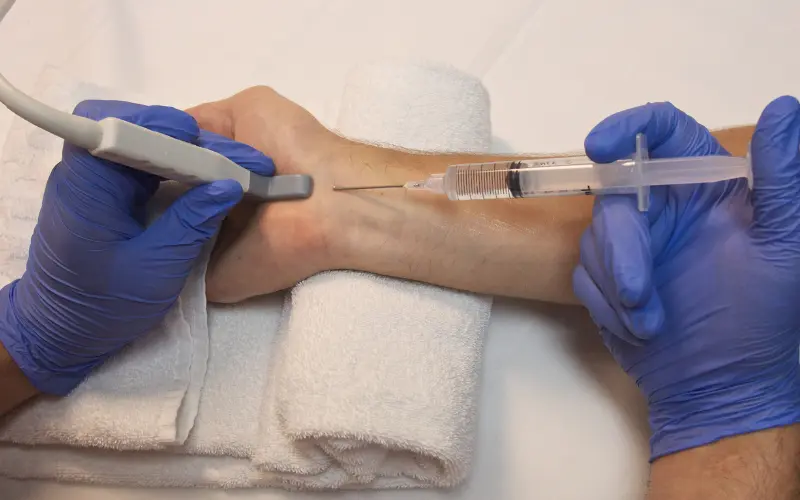
Not every episode of hand numbness means surgery. Sometimes, it may happen because of temporary pressure, posture, overuse, or strain.
But when numbness keeps returning, becomes stronger, or starts affecting daily work, it should not be ignored. This is where timely consultation can prevent the condition from becoming more serious.
You should consult an orthopedic doctor if:
- The numbness or tingling continues for several days or keeps coming back again and again
- Symptoms become worse at night or disturb your sleep
- You feel numbness mainly in the thumb, index finger, middle finger, or part of the ring finger
- You need to shake your hand frequently to feel temporary relief
- Your grip feels weak while holding a cup, phone, pen, or kitchen object
- You have started dropping objects without realizing it
- Pain moves from the wrist toward the hand or forearm
- Medicines, rest, or home care are not giving proper relief
- Your symptoms are affecting work, driving, writing, cooking, or daily activities
The earlier the cause is diagnosed, the easier it becomes to plan the right treatment. In many cases, early care can help patients avoid long-term nerve weakness and unnecessary delay.
Can Carpal Tunnel Syndrome Be Treated Without Surgery?

Yes, Carpal Tunnel Syndrome can sometimes be treated without surgery. But this usually depends on how early the condition is diagnosed.
If the nerve compression is mild and symptoms come and go, non-surgical treatment may help. The key is not to wait until numbness becomes constant or grip weakness begins.
Non-surgical treatment may include:
- Wrist support or splint: A wrist splint may help keep the wrist in a better position, especially at night.
- Medicines: Medicines may be advised to reduce pain, swelling, or inflammation around the affected area.
- Activity changes: Patients may need to avoid repeated wrist bending, strong gripping, or long working hours without breaks.
- Physiotherapy or exercises: Doctor-advised exercises may help improve wrist movement and reduce pressure in selected cases.
- Treatment of other health conditions: Diabetes, arthritis, thyroid problems, or swelling-related conditions may also need attention.
- Steroid injection: In some cases, an injection may be suggested to reduce inflammation and provide temporary relief.
However, non-surgical treatment does not work the same for every patient. If symptoms are severe, long-lasting, or causing hand weakness, surgery may be the safer option to protect the nerve.
When Is Carpal Tunnel Surgery Needed?

Carpal Tunnel surgery is usually considered when the median nerve is under serious or long-term pressure. The aim of surgery is not just to reduce pain.
It is to release pressure from the nerve before the hand becomes weaker or numbness becomes permanent. That is why delaying treatment for too long can make recovery slower.
Surgery may be needed when:
- Numbness and tingling are constant or keep becoming worse
- Symptoms do not improve with medicines, wrist support, physiotherapy, or activity changes
- The patient wakes up frequently at night because of hand numbness or pain
- Grip strength is reducing and daily tasks are becoming difficult
- The patient starts dropping objects often due to weakness
- There is weakness near the thumb area
- Tests show severe median nerve compression
- Symptoms have continued for a long time and are affecting hand function
In simple words, surgery is not advised just because someone has mild tingling for a few days. But when the nerve is compressed badly, waiting can become more harmful than the surgery itself.
At this stage, carpal tunnel release surgery may help create more space inside the wrist tunnel, reduce pressure on the median nerve, and protect hand movement and sensation.
Carpal Tunnel Surgery in Nawanshahr at Raja Hospital

Carpal Tunnel surgery is done to reduce pressure on the compressed median nerve inside the wrist. When this nerve stays pressed for a long time, the hand may start losing sensation, strength, and control. Surgery helps by creating more space in the carpal tunnel so the nerve can function better.
At Raja Hospital, Nawanshahr, the Orthopedic Department focuses on proper diagnosis before suggesting surgery. This is important because every case of hand numbness is not Carpal Tunnel Syndrome, and every case of Carpal Tunnel Syndrome does not need surgery.
The treatment plan usually depends on:
- Severity of numbness and tingling
- Duration of symptoms
- Grip strength and thumb weakness
- Night-time pain or sleep disturbance
- Response to medicines, splints, or physiotherapy
- Nerve involvement and clinical examination findings
During carpal tunnel release surgery, the pressure over the median nerve is released. This can help reduce numbness, tingling, pain, and weakness over time. But the most important point is timing.
If surgery is advised at the right stage, it may help protect hand function and prevent further nerve damage. But if the condition is ignored for too long, recovery may take more time, especially if the nerve has already become weak.
That is why patients with repeated hand numbness, weak grip, or night-time tingling should not keep guessing between cervical pain and Carpal Tunnel Syndrome.
A proper orthopedic evaluation at Raja Hospital can help patients understand the real cause and choose the right treatment at the right time.
Recovery After Carpal Tunnel Surgery
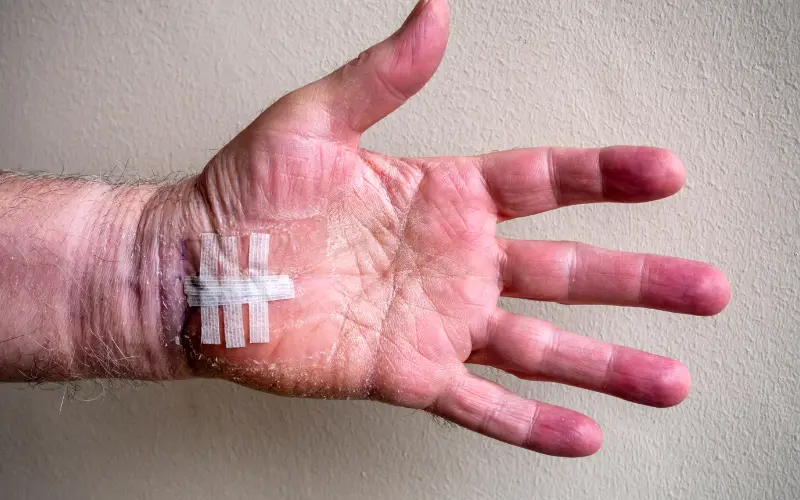
Recovery after Carpal Tunnel surgery is usually gradual. Some patients feel relief from tingling and night-time symptoms early. Others may notice improvement slowly, especially if the nerve was compressed for a long time before surgery.
After surgery, patients are usually guided about hand movement, wound care, medicines, and follow-up visits. The aim is to allow healing while keeping the hand active in a safe way.
During recovery, patients may experience:
- Mild pain, swelling, or stiffness around the wrist
- Gradual improvement in numbness and tingling
- Better sleep if night symptoms were disturbing earlier
- Slow return of grip strength
- Temporary difficulty in heavy lifting or forceful wrist movement
- Need for regular follow-up with the orthopedic doctor
Recovery speed is not the same for every patient. A person with early nerve compression may recover faster. A patient who delayed treatment for months or years may need more time because the nerve takes longer to heal. This is why aftercare matters.
Patients should follow the instructions given by the orthopedic team, avoid unnecessary pressure on the wrist, and attend follow-up appointments on time.
Carpal Tunnel surgery can reduce pressure on the nerve, but proper recovery habits help the hand regain comfort, movement, and strength in a better way.
Frequently Asked Question
1. What are the first signs of Carpal Tunnel Syndrome?
The first signs are numbness, tingling, burning, or discomfort in the thumb, index finger, middle finger, and part of the ring finger. These symptoms are often noticed more at night or during repeated hand movements.
2. Can Carpal Tunnel Syndrome go away without surgery?
Mild cases may improve with medicines, wrist support, physiotherapy, rest, and activity changes. But severe or long-lasting symptoms may need surgical treatment.
3. When is Carpal Tunnel surgery needed?
Carpal Tunnel surgery may be needed when numbness, tingling, or weakness does not improve with non-surgical treatment.
It may also be advised when nerve compression is severe or daily hand function is affected.
4. How do I know if hand numbness is from cervical pain or Carpal Tunnel Syndrome?
Carpal Tunnel Syndrome usually affects the thumb, index finger, middle finger, and part of the ring finger. Cervical pain may start from the neck and travel toward the shoulder, arm, or hand.
5. Is Carpal Tunnel surgery painful?
Carpal Tunnel surgery is usually done with anesthesia, so patients do not feel pain during the procedure. Mild pain, swelling, or stiffness after surgery can be managed with medicines and proper care.
Struggling with same?
Book Your Appointment With Our Expert Doctors

Conclusion
Hand numbness should not be ignored, especially when it keeps coming back. A few days of tingling may look harmless in the beginning, but if the symptoms are due to Carpal Tunnel Syndrome, the pressure on the median nerve can increase with time. This may lead to constant numbness, weak grip, disturbed sleep, and difficulty doing simple daily tasks.
The important thing to remember is this; Not every patient with Carpal Tunnel Syndrome needs surgery. But every patient with repeated numbness, tingling, wrist pain, or hand weakness should get the condition checked.
Early diagnosis can help decide whether medicines, wrist support, physiotherapy, activity changes, or surgery is the right option. It can also help avoid confusion between cervical pain and Carpal Tunnel Syndrome.
If you are experiencing repeated hand numbness, tingling, wrist pain, or weakness, book a consultation with the Orthopedic Department at Raja Hospital, Nawanshahr for proper diagnosis and timely treatment.