
Seasonal Viral Infection in Nawanshahr: Signs, Home Care & When to See a Doctor
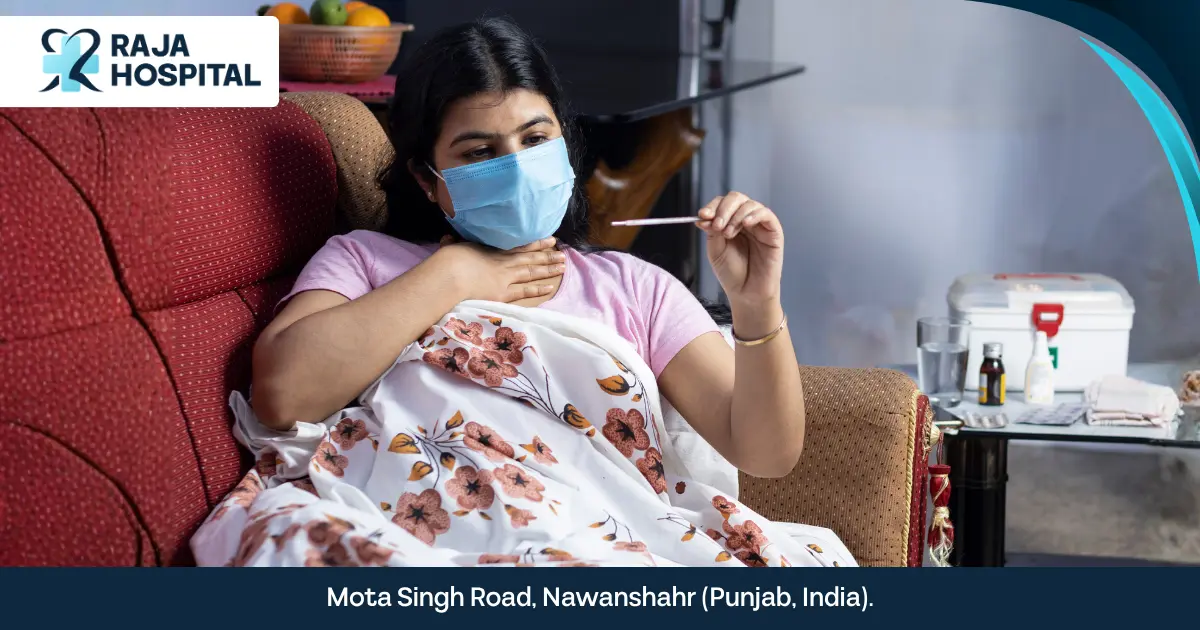
REVIEWED BY DR. SHOKET ALI (MD MEDICINE) on 12 August 2026.
Every year, the same story repeats in almost every home in Nawanshahr. Someone gets fever, body ache, and a heavy head. A tablet of PCM is given from the medicine box lying at home. Two days later the fever settles, everyone feels relaxed, and the medicine is stopped immediately. And then, after three or four days, the fever comes back stronger.
Seasonal viral infections are common. Nobody is denying that. Weather changes, dust, water logging after rain, crowded schools, buses, markets, and joint families make it easy for viruses to travel from one person to another. But “common” does not mean “ignore it.”
The real problem is not the virus. The real problem is the habit of treating every fever at home, guessing the medicine, taking leftover antibiotics from a previous illness, and stopping the course the moment the body feels normal.
Here is our honest stance: every viral infection is not that serious, but that does not mean you avoid doctor consultation.
In this guide, we will explain seasonal viral infections in simple language: what they are, why they spread so much in our area, the early signs and symptoms, safe home care, the warning signs that need immediate hospital visit, the tests a doctor may advise, when isolation is genuinely needed, and how to prevent them.
What Is a Seasonal Viral Infection?

A seasonal viral infection is an illness caused by a virus that spreads more during certain weather conditions. It can affect the nose, throat, lungs, eyes, or stomach, depending on which virus has entered the body.
Many people use the word “viral” as if it is one single disease. In reality, “viral” is a big umbrella that covers many different infections with very different levels of seriousness.
Viral vs Bacterial: Why the Difference Matters
This one confusion causes the most harm in our region. A viral infection is caused by a virus. Most viral infections improve on their own with rest, fluids, and symptom relief. Antibiotics do not kill viruses. They simply do not work there.
A bacterial infection is caused by bacteria. This may need antibiotics, and the full course has to be completed exactly as prescribed.
The problem starts when a person takes antibiotics for a viral fever “just in case.” It does not speed up recovery. It only trains the bacteria already living in your body to survive that medicine. Later, when you genuinely need that antibiotic for a serious infection, it may not work.
Only a doctor can decide whether your fever is viral, bacterial, or something else. From outside, a dengue fever, typhoid fever, and simple viral fever can look almost identical on day one.
Common Types Seen in This Region
Different seasons bring different viruses. In and around Nawanshahr, these are the ones commonly seen:
- Influenza (flu): high fever, severe body ache, chills, dry cough, and extreme weakness
- Common cold and throat infection: runny nose, sneezing, sore throat, mild fever
- Viral gastroenteritis: loose motions, vomiting, stomach cramps, weakness due to dehydration
- Conjunctivitis (eye flu): red, watery, itchy eyes that spread quickly in schools and families
- Mosquito and water-borne fevers: dengue, chikungunya, malaria, and typhoid often overlap with the viral season and start off looking like “normal viral”
That last point is the most important one. A fever that starts like a simple viral can turn out to be dengue or typhoid. This is exactly why guessing at home is risky.
Why Seasonal Viral Infections Spread So Fast in Nawanshahr

Viruses do not spread randomly. They spread when the environment and our daily routine give them the perfect chance.
If you look at how life works in our town, you will notice how easily one infection can travel through an entire street, school, or family within a week.
Weather and Environment
Sudden weather changes are the biggest trigger. Hot days followed by cold nights, monsoon humidity, and the shift from monsoon to winter all put pressure on the body’s immunity.
Add to this the stagnant water collecting after rain, which becomes a breeding ground for mosquitoes, and the dust and smoke during crop season, which irritates the throat and lungs and makes infection easier.
Daily Life and Crowded Spaces
Schools, colleges, buses, markets, temples, gurdwaras, and wedding functions bring a lot of people close together. One person coughing in a classroom can affect many children in a day.
Joint families make it worse. Shared towels, shared utensils, one common room, and elderly members sleeping in the same space mean the infection rarely stays with one person.
Low Immunity and Poor Routine
Low fluid intake, skipped meals, poor sleep, high stress, uncontrolled diabetes, and existing heart, kidney, or lung problems all reduce the body’s ability to fight infection.
Children, elderly people, pregnant women, and patients with chronic diseases catch these infections faster and recover slower. For them, even a “normal viral” needs to be watched carefully.
Early Signs and Symptoms You Should Not Ignore
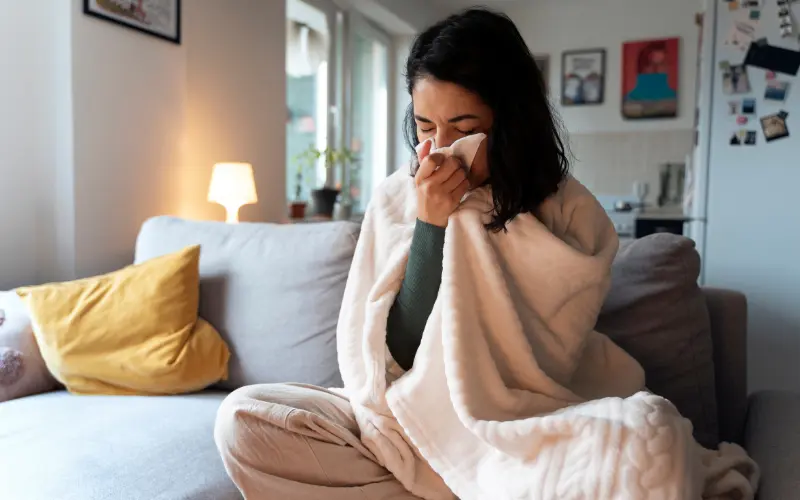
Most seasonal viral infections announce themselves clearly in the first 24 to 48 hours. The body starts giving signals before things get worse.
The goal is not to panic at every sneeze. The goal is to notice the pattern early so you know whether it needs home care or a doctor.
Common Symptoms in Adults
- Fever with chills, body ache, and heaviness in the head
- Sore throat, cough, runny nose, or blocked nose
- Headache and pain behind the eyes
- Weakness, tiredness, and loss of appetite
- Loose motions, vomiting, or stomach cramps
- Skin rash or red, watery eyes
- Fever pattern: continuous fever, or fever that keeps returning in the evening
One or two of these for a day or two may settle with rest. But when fever crosses three days, or when several of these appear together, it is time for consultation.
Symptoms in Children and Elderly Are Different
Children may not be able to explain what they feel. Watch for constant crying or irritability, refusing feed or food, unusual sleepiness, reduced play activity, fewer wet nappies, or breathing that looks fast and heavy.
In elderly people, fever may be mild or even absent, but you may see confusion, unusual drowsiness, breathlessness, dizziness, or a sudden drop in appetite and fluid intake. In both groups, do not wait for the symptoms to become “strong enough.” Get them checked early.
The Biggest Mistake: Self-Medication and Half-Finished Medicine Courses
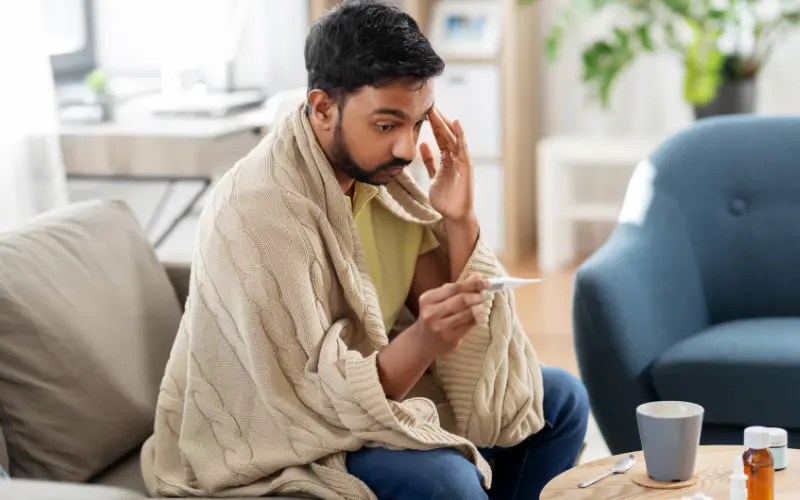
This is the section we want every family in Nawanshahr to read twice, because this habit causes more damage than the virus itself.
Medicines are easy to get. Advice is even easier to get. And that is exactly where the problem begins.
The Habits That Cause Real Harm
- Taking leftover antibiotics from a previous illness because “last time this had worked”
- Stopping the medicine the moment fever drops, leaving the infection half-treated
- Copying a relative’s or neighbour’s prescription even though their diagnosis was completely different
- Mixing multiple fever medicines together, which can harm the liver and kidneys
- Repeating strong painkillers for days to suppress fever instead of finding out its cause
- Waiting too long and reaching the hospital only when the patient becomes very weak or dehydrated
What Antibiotic Resistance Actually Means
Think of an antibiotic like a lock and key. When you take it wrongly, or stop it halfway, the strongest bacteria survive and learn how that key works.
Next time you really need that medicine, maybe during a serious chest infection, a wound infection, or surgery, it may simply stop working. Then a stronger, costlier medicine is required, sometimes with hospital admission.
This is not a future problem. It is already happening across Punjab, and it is completely preventable.
Note: Feeling better is not the same as being cured. Never start, stop, or change a medicine course on your own.
Safe Home Care in the First 24 to 48 Hours
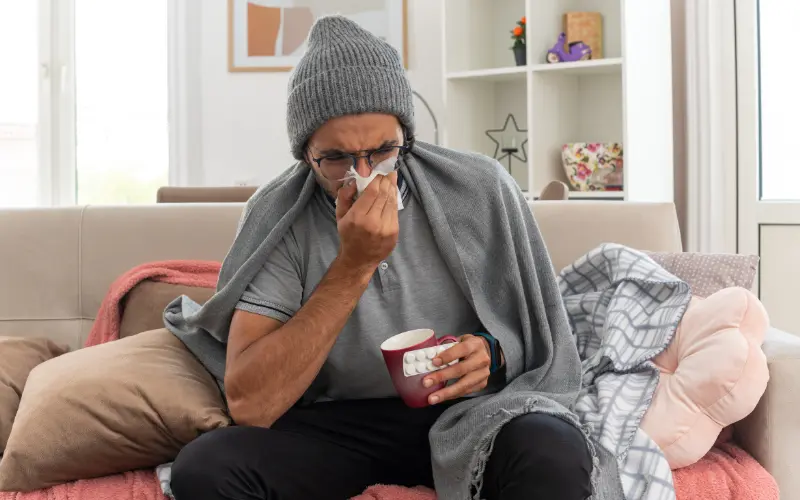
Not every fever needs an admission. In the first day or two of a mild viral infection, sensible home care can genuinely help the body recover.
But home care has rules, and it also has a clear limit. Here is what is safe and what is not.
What You Should Do at Home
- Rest properly. The body fights infection best when it is not pushed into work, school, or travel.
- Drink fluids frequently. Water, ORS, nimbu pani, coconut water, soups, and dal ka paani prevent dehydration.
- Eat light home food. Khichdi, dalia, curd, fruits, and simple dal-chawal are easier to digest than heavy or oily food.
- Take steam and do warm salt-water gargles for throat pain and blocked nose.
- Monitor and note the temperature three to four times a day, along with the timing. This record helps your doctor a lot.
- Keep the patient slightly separate with their own towel, utensils, bedsheet, and a well-ventilated room.
- Use paracetamol only in the correct dose and gap, as advised for the patient’s age and weight.
What You Should Never Do at Home
- Do not start antibiotics on your own
- Do not take injections from unqualified persons
- Do not follow random social media remedies or “immunity detox” claims
- Do not give adult medicines or adult doses to children
- Do not crowd around the patient with a room full of visitors
- Do not ignore fever in an infant, elderly, pregnant woman, or a diabetic, heart, kidney, or lung patient
If there is no clear improvement within 48 hours, home care time is over. Get a proper consultation.
Warning Signs: When to Reach the Hospital Immediately
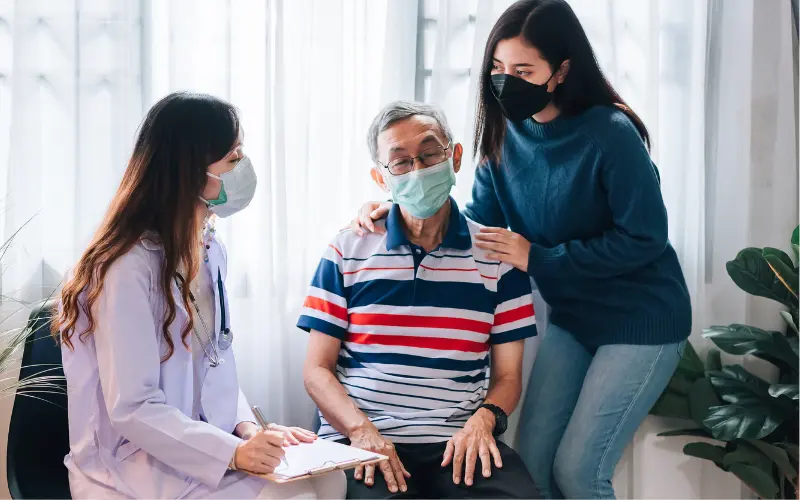
Some symptoms are not “wait and watch” symptoms. They are signals that the infection may be more serious than a simple viral.
If you see any of the following, do not wait for the next morning. Reach the hospital.
Red Flags in Adults
- Fever above 102°F that is not settling, or any fever lasting more than three days
- Breathlessness, chest pain, or fast breathing
- Continuous vomiting, or being unable to keep down fluids
- Very little urine, dry mouth, sunken eyes, or dizziness on standing (dehydration)
- Severe headache, neck stiffness, drowsiness, confusion, or fits
- Skin rash, bleeding gums, nose bleed, blood in vomit, or black stool
- Fever that returns after a gap of one or two days
- Severe stomach pain or continuous loose motions
Red Flags in High-Risk Groups
For infants under three months, any fever is an emergency. For older children, watch for refusal to feed, unusual drowsiness, fast breathing, chest in drawing, no urine for many hours, or fits.
For elderly patients, pregnant women, and anyone with diabetes, heart disease, kidney disease, asthma, or low immunity, do not apply the “three-day rule.” Get checked on day one itself, because their condition can change quickly.
Tests Your Doctor May Advise
Many people feel that tests are an unnecessary expense, or that the doctor is “just adding investigations.” That belief delays a lot of correct treatment.
The truth is simple: tests are the only way to separate a harmless viral fever from dengue, typhoid, malaria, or a chest infection.
Common Tests in Seasonal Fever
- CBC (Complete Blood Count): checks platelets and white blood cells, gives strong clues about viral vs bacterial infection
- Dengue NS1 / IgM and IgG: advised when fever comes with severe body ache, eye pain, or rash
- Malaria and typhoid tests: for fever with chills or fever continuing beyond a week
- CRP and ESR: show the level of infection or inflammation in the body
- Urine routine test: rules out urine infection, a very common hidden cause of fever
- Chest X-ray: advised when there is cough, chest pain, or breathlessness
- Blood sugar, kidney and liver function tests: for diabetics, elderly patients, and those on long-term medication
Why Testing Early Saves Money, Not Wastes It
A timely test can catch falling platelets in dengue before the patient becomes critical. It can confirm typhoid so that the right antibiotic is started instead of random ones.
Compare that with three weeks of guesswork, repeated medicines, and finally an admission. Early diagnosis is almost always the cheaper and safer route.
When Quarantine or Isolation Is Genuinely Needed

Isolation is not an over-reaction. In some infections it is the only thing that stops the illness from moving through your whole family or your child’s whole class.
A few days of separation at home can save weeks of illness for everyone else.
Infections Where Isolation Matters
- Influenza and flu-like illness: stay home while fever continues and for at least 24 hours after the fever settles without medicine
- Eye flu (conjunctivitis): highly contagious, avoid school, work, and sharing of towels, pillows, and bedsheets
- Viral gastroenteritis: wash hands thoroughly, use a separate washroom if possible, and do not cook for the family while symptomatic
- COVID-like illness or persistent cough with fever: wear a mask, keep distance from elderly and children, and follow the doctor’s advice on testing
Practical Isolation at Home
Keep the patient in a well-ventilated room, use a separate towel, utensils, and bedding, and ask them to wear a mask while others are around. Wash hands with soap after every contact.
And please do not send a child back to school on the very same day the fever drops. It restarts the cycle in the entire classroom, and often the child returns home with a fresh infection.
How to Prevent Seasonal Viral Infections
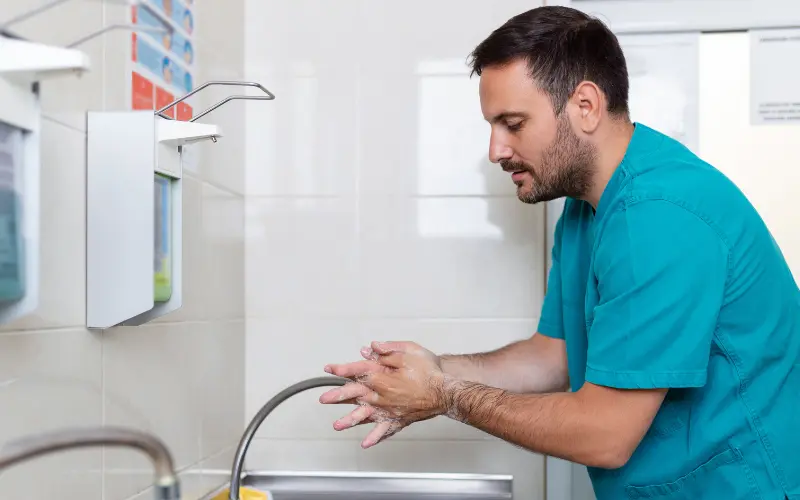
Prevention is not complicated. It is just consistent. Small daily habits decide whether your family catches every seasonal infection or skips most of them. Most of these steps cost nothing at all.
Everyday Prevention Habits
- Wash hands with soap before eating, after coming home, and after coughing or sneezing
- Cover your mouth with a handkerchief or elbow while coughing or sneezing
- Wear a mask when you or someone at home has symptoms
- Drink clean, boiled, or filtered water, and avoid cut fruit and open food from outside
- Keep the house ventilated and let sunlight in
- Do not share towels, water bottles, handkerchiefs, or utensils during the fever season
- Sleep 7 to 8 hours and eat balanced home food with enough protein, fruits, and vegetables
Seasonal and Household Precautions
Empty water from coolers, buckets, flower pots, old tyres, and terrace containers every week to stop mosquito breeding. Use nets and repellents, and wear full-sleeve clothes in the evening.
Seasonal flu vaccination is worth discussing with your doctor, especially for children, elderly people, pregnant women, and those with diabetes, asthma, or heart problems. Also keep chronic conditions like diabetes and blood pressure well controlled, because they directly affect how quickly you recover.
Frequently Asked Questions
1. How many days does a normal viral fever last?
Most simple viral fevers settle within three to five days, with weakness lasting a few days longer. If fever crosses three days, keeps returning, or becomes higher, get it evaluated.
2. Is an antibiotic needed for viral fever?
No. Antibiotics do not work against viruses. They are needed only when a doctor suspects or confirms a bacterial infection, and then the full prescribed course must be completed.
3. When should I get a dengue test?
If fever comes with severe body ache, pain behind the eyes, rash, vomiting, or bleeding tendency, or if fever continues beyond two to three days during the dengue season, your doctor may advise NS1 and CBC.
4. Can I go to work or send my child to school with mild fever?
Better not. You are most contagious in the first two to three days. Stay home while the fever is present and for at least 24 hours after it settles without medicine.
5. Is fever above 100°F always dangerous?
Not always. Fever is the body’s defence mechanism. What matters more is the pattern, the associated symptoms, and the patient’s age and health condition.
6. Why does the fever come back in the evening?
Evening rise in temperature is common in many infections, including typhoid and some viral fevers. If this repeats for more than three days, tests are advised.
7. Should elderly people take a flu vaccine every year?
In most cases yes, but the decision should be made by their doctor based on age, existing illnesses, and current medication.
Struggling with same?
Book Your Appointment With Our Expert Doctors

Conclusion
Seasonal viral infections are common in Nawanshahr, and most of them settle within a few days with rest, fluids, and simple care. That part is true and there is no need to panic every time someone gets a fever.
But here is the part that gets ignored: you cannot tell a simple viral fever apart from dengue, typhoid, malaria, or a chest infection just by looking at it at home. No family member, no chemist, and no internet search can do that. Only examination and, when needed, a blood test can.
So the rule is simple. Do not self-medicate. Do not take leftover antibiotics. Do not stop a prescribed course just because you feel better. And do not wait for a mild fever to become a serious one.
If you or anyone in your family has fever, cough, body ache, loose motions, or red eyes this season, visit Raja Hospital, Nawanshahr for proper examination, timely testing, and the correct treatment. One consultation today can save you a week of illness and a much bigger hospital bill later.