
Monsoon Snake Bites in Nawanshahr: 7 Warning Signs You Must Never Ignore!
REVIEWED BY DR. SHOKET ALI (MD MEDICINE) on 25 August 2026.
Every year, as soon as the monsoon hits Nawanshahr, something changes in our villages and mohallas. The fields fill up with water, the drains overflow, the grass grows thick along the walls, and the snakes that were quietly living underground suddenly have nowhere to go. So they move. They move towards dry ground, towards warm corners, towards cattle sheds, towards fodder stacks, and sometimes straight into the rooms where our families sleep.
And here is the part that hurts the most. Most snake bite deaths in Punjab do not happen because the venom was too strong. They happen because the family lost time. Time spent tying a cloth tightly around the leg. Time spent going to someone who claims to “pull out” the poison. Time spent waiting to see whether the swelling gets worse. By the time the person reaches a hospital, the venom has already done what it came to do.
This blog is not here to frighten you. It is here to make you the calmest, most useful person in the room if this ever happens in your home. We will talk about why monsoon is the danger season, which snakes actually matter here, the “silent bite” that nobody talks about, the 7 warning signs that mean you must reach a hospital immediately, and the myths that you need to stop believing today.
Why Snake Bites Spike During Monsoon in Nawanshahr
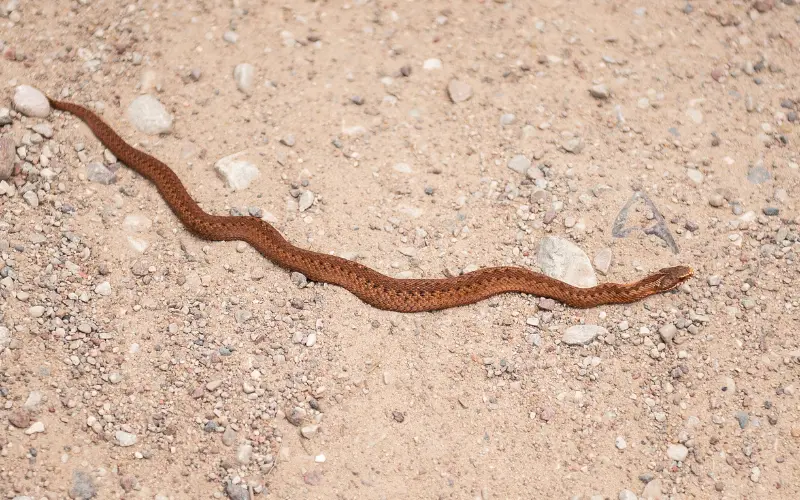
Snakes are not out to attack anyone. During monsoon, they are simply homeless, and that is exactly what puts them in our path.
Water Pushes Snakes Into Homes and Cattle Sheds
When rainwater fills their burrows in the fields, snakes are forced to come out and look for dry, safe, warm places. Unfortunately, the driest and warmest places nearby are usually ours.
In and around Nawanshahr, the pattern is almost always the same. Waterlogged paddy and sugarcane fields push snakes towards raised paths and village lanes. From there they slip into cattle sheds, where it is warm and where rats come for the grain. They hide inside fodder stacks, wood piles, brick and rubble heaps, empty gunny bags, and behind the big storage drums in the kitchen. Rats and frogs also come indoors during rain, and where rats and frogs go, snakes follow. So a house with grain lying open and a broken drain cover is basically sending out an invitation.
The Riskiest Hours and the Riskiest Work
Most bites in our area do not happen in dramatic situations. They happen during ordinary work, at ordinary times, to people who simply did not see what was there.
- Dusk to early morning: Kraits and cobras are most active at night. This is when the majority of serious bites happen.
- Barefoot walking on wet mud paths: Especially the walk to the fields early in the morning or the walk back after dark.
- Cutting or lifting fodder and stacked crop: Reaching in with a bare hand into a place you cannot see into.
- Working in flooded fields: You cannot see your own feet in muddy water, and neither can you see a snake.
- Sleeping on the floor: This is the single biggest risk factor for the deadliest bite of all, and we will come to it shortly.
- Cleaning drains, toilets, and store rooms after rain: Damp, dark, undisturbed spaces are exactly what a snake wants.
Which Snakes Actually Matter in Punjab
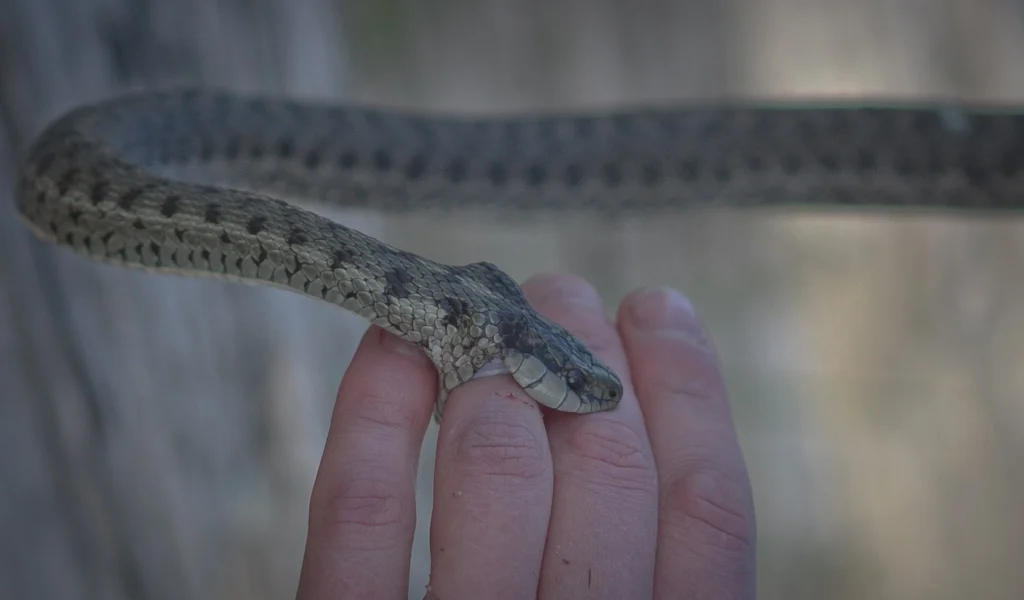
Here is some good news that will surprise many people. Most snakes you see around Nawanshahr are completely harmless. Only a small number can actually cause serious harm to a human being.
The Four to Know
In India, the majority of dangerous bites come from four snakes, often called the “Big Four”. All four are found in our region.
- Cobra (Naag): Raises its hood when threatened. Its venom attacks the nervous system, so it affects eyelids, speech, swallowing, and breathing. The bite site often turns dark and the tissue can start dying.
- Common Krait (Karait): Small, slim, steel-blue or black with thin white bands, mostly across the back in pairs. This is the most dangerous one in our area, and we will explain why in the next section.
- Russell’s Viper: Thick, heavy body with a chain-like pattern of oval markings. Its bite is extremely painful, causes fast swelling and bleeding, and can damage the kidneys.
- Saw-scaled Viper: Small and rough-skinned, easy to step on because it stays still. Its venom stops blood from clotting properly, so bleeding continues from the gums, nose, and old wounds.
Why You Should Not Try to Identify the Snake
You do not need to know the snake’s name to save a life. Doctors treat based on the patient’s symptoms and blood tests, not based on the snake’s photograph.
If the snake is still visible and you can take a photo from a safe distance with your phone, do it. That is helpful. But never chase it, never try to catch it, and never try to kill it. A huge number of second bites happen exactly at this moment, to the “brave” family member who went after the snake while the patient was still lying on the ground waiting. Your only job is to get the patient to a hospital. Leave the snake alone.
The Silent Bite: When Someone Is Bitten and Does Not Know It
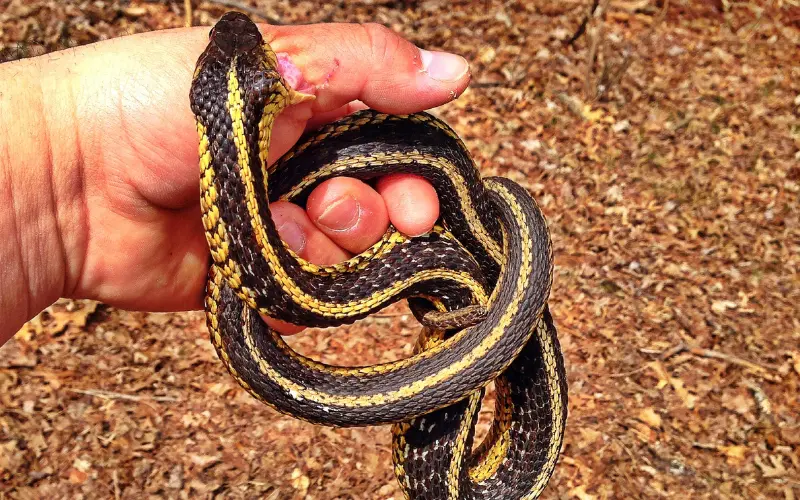
Yes, it is absolutely possible. Someone can be bitten by a snake and have no idea it happened. This is the situation that catches families completely off guard, and it is the reason many deaths happen at home.
How a Krait Bites Without Waking You
The common krait usually bites at night, and its bite is often almost painless. There is little or no swelling, and the fang marks can be so tiny that they look like a thorn prick, a mosquito bite, or nothing at all.
This is why people who sleep on the floor during monsoon are at the highest risk. The krait comes in looking for warmth, moves across the bedding, and bites when it feels pressure. The person may shift in their sleep, feel a small sting, think nothing of it, and go back to sleep. A few hours later, they wake up feeling very unwell, and nobody in the house connects it to a snake, because nobody saw a snake. There is no dramatic wound to point at. This is what people in our area loosely call a “slow poison snake” or a silent attack, and it is one of the most dangerous emergencies in medicine, purely because the diagnosis is missed.
The Symptoms Families Mistake for Something Else
When the symptoms of a silent bite begin, they look like everyday problems. This is exactly why treatment gets delayed.
- Severe stomach pain and vomiting: Blamed on gas, acidity, or “kuch kha liya hoga”.
- Heavy eyelids and difficulty keeping the eyes open: Blamed on lack of sleep or weakness.
- Blurred or double vision: Blamed on weakness or low blood pressure.
- Difficulty swallowing even saliva, or a thick, unclear voice: Blamed on a sore throat or the weather.
- Sudden body weakness and inability to stand or hold the neck up: Blamed on fever or fatigue.
- Breathlessness: Often noticed too late, when it has already become an emergency.
Here is the rule to remember. If a healthy person wakes up in the night or early morning during monsoon with unexplained stomach pain, drooping eyelids, or trouble swallowing, treat it as a possible snake bite until a doctor rules it out. Do not wait for a wound. Do not wait for a snake to be found.
7 Warning Signs You Must Never Ignore
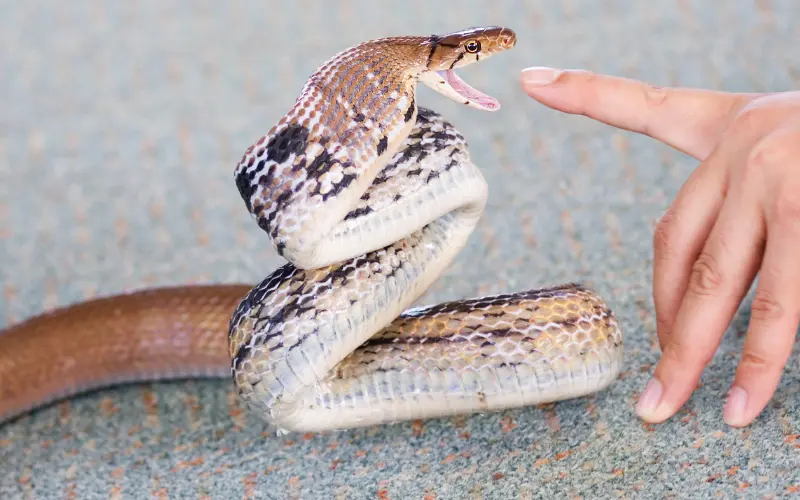
If any one of these signs appears, whether or not you saw a snake, whether or not there is a visible wound, the answer is the same: get to a hospital that has anti-venom and emergency care, immediately.
1. Drooping Eyelids or Blurred, Double Vision
The eyelids start feeling heavy and begin to fall, and the person may see two of everything. This is one of the earliest signs that the venom is affecting the nerves, and it usually appears before breathing gets affected.
2. Slurred Speech or Trouble Swallowing Saliva
The voice becomes thick or unclear, and the person struggles to swallow even their own spit, sometimes drooling. This means the muscles of the throat are weakening, and the airway is at risk.
3. Shortness of Breath or Chest Heaviness
The person feels they cannot take a full breath, the breathing becomes shallow and fast, or the chest feels tight. This is the stage that becomes life-threatening quickest, because the breathing muscles are getting paralysed.
4. Rapidly Spreading Swelling and Severe Pain
The swelling moves up the limb within minutes to a couple of hours, the skin becomes tight, shiny, or discoloured, and blisters may form. This points to viper or cobra venom actively destroying tissue and needs urgent treatment.
5. Bleeding From Gums, Nose, or the Bite Site That Will Not Stop
Blood keeps oozing from the fang marks, the gums bleed while brushing, the nose bleeds for no reason, or old injection marks start seeping. It means the blood has lost its ability to clot, which is a medical emergency.
6. Dark or Reddish Urine, or No Urine at All
The urine looks like tea, cola, or blood, or the person has not passed urine for many hours. This is a sign that muscle breakdown and kidney damage have begun, and dialysis may be needed if it is not treated fast.
7. Sudden Severe Stomach Pain With Vomiting and Weakness
Intense abdominal pain with repeated vomiting, cold sweating, and heaviness in the whole body, often in the early hours of the morning. In krait bites this is frequently the very first symptom, long before anyone suspects a snake.
Note: If you see even one of these seven signs, do not wait for the second one. Every minute you spend at home reduces the chance of a full recovery.
What to Do Immediately After a Snake Bite
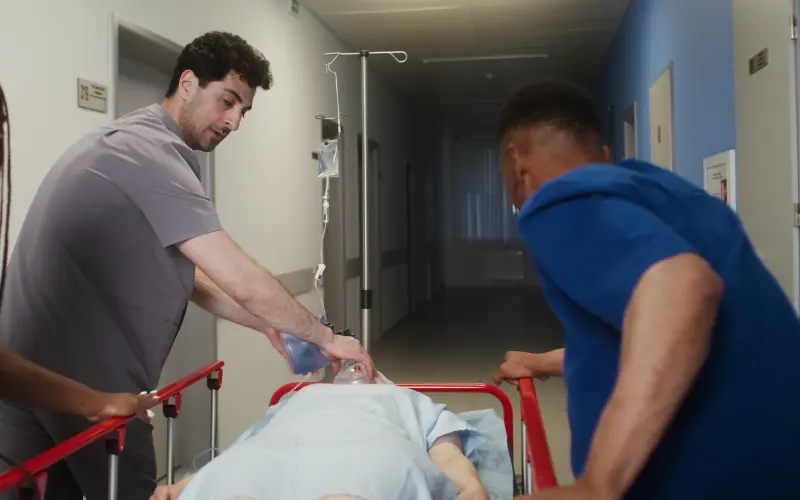
The first 30 minutes decide almost everything. Not the remedy you apply, not the prayer you say, but how fast and how calmly you move.
The Do-This-Now Steps
Your goal is simple. Keep the person still, keep them calm, and get them to a hospital.
- Keep the person calm and lying still. Panic makes the heart pump faster, and faster blood flow spreads venom faster. Speak calmly and reassure them that most snake bites are treatable.
- Do not let them walk. Carry them, or bring the vehicle to them. Even walking a short distance moves venom through the body.
- Remove rings, bangles, kada, anklets, watches, and tight clothing from the bitten limb right away. Swelling can come fast, and a tight bangle can cut off blood supply completely.
- Keep the bitten limb still and roughly at or below the level of the heart. You can splint it loosely with a stick and cloth, like you would for a fracture, as long as the cloth is not tight.
- Note the exact time of the bite and write down when each new symptom starts. This information genuinely helps the doctor decide the treatment.
- Photograph the snake only if it is safe and it is right there. Never go looking for it.
- Go straight to a hospital that has anti-venom and emergency support. Skip the local healer, skip the small clinic that will only refer you onwards, and skip the pharmacy.
- Call ahead if you can, so the emergency team is ready when you arrive.
What You Must Never Do
This list matters as much as the one above, because these actions are the reason a treatable bite becomes a tragedy.
- Never tie a tight tourniquet, rope, or cloth. It does not stop venom. It cuts off blood supply, kills the tissue, and can cost the person their hand or leg.
- Never cut the wound or try to suck out the venom. It removes almost no venom and adds bleeding and infection.
- Never apply chilli, kerosene, lime, cow dung, mud, herbal paste, or a hot iron. These only cause burns and serious infection, and they waste the minutes that mattered.
- Never give alcohol, opium, or painkillers like aspirin or ibuprofen. Alcohol speeds up circulation, and these painkillers increase bleeding.
- Never wash, rub, or massage the bite area vigorously. Gently wipe it if needed and leave it alone.
- Never wait to “see if it gets worse”. With a krait bite, by the time it clearly looks worse, breathing support may already be needed.
- Never rely on a snake stone, jhaad-phook, or a mantra as the treatment. If your family insists, let someone do it in the hospital waiting area, not instead of the hospital.
Common Myths About Snake Bites That Cost Lives
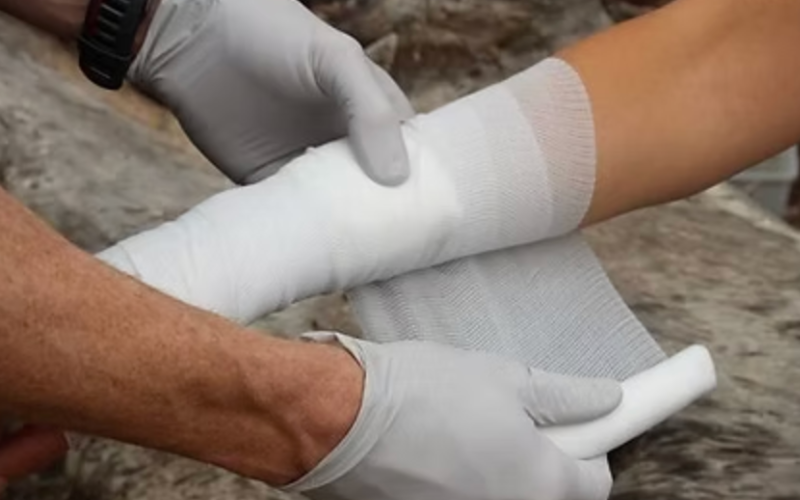
These beliefs are common across our villages, and each one of them has the same effect: delay. Let us settle them one by one.
Myth 1: “If There Is No Swelling, There Is No Poison”
This is the most dangerous myth of all, because the deadliest snake in our region, the krait, often causes almost no swelling and very little pain. A clean-looking bite site tells you nothing about how much venom went in. Judge the danger by the person’s symptoms, not by the wound.
Myth 2: “A Tight Tourniquet Stops the Venom From Spreading”
Venom travels mainly through the lymphatic system and tissue, so a tight band does not seal it off. What it does is choke the blood supply, which can lead to dead tissue, gangrene, and amputation. Doctors also face a sudden rush of venom into the blood when a long-standing tourniquet is finally released.
Myth 3: “A Local Healer or Jhaad-Phook Can Draw the Venom Out”
Nothing can pull venom out of the body from outside: no chant, no stone, no paste, no suction device. Many families feel it “worked”, but that is because a large share of bites in India are dry bites or bites from non-venomous snakes, where the person was never going to get sick. The tragedy is that this false confidence is exactly what kills the person who did receive venom.
Myth 4: “Every Snake Bite Means Certain Death”
Absolutely not. Most snakes are non-venomous, many venomous bites inject little or no venom, and for the ones that do, anti-venom works extremely well when it is given in time. Patients who reach hospital early usually walk out fine. Fear is not the enemy here; delay is.
Myth 5: “Slow Poison Stays in the Body for Months and Comes Back Every Year”
Venom does not sit in your body for months and it does not “wake up” every monsoon. That part is not true. But there is a real thing behind this belief, and it is worth knowing: complications can appear late. Kidney damage, tissue death at the bite site, delayed weakness, and a reaction to anti-venom called serum sickness can show up hours to a couple of weeks later. That is why follow-up matters, and it is also why any lingering symptom after a bite should be checked by a doctor rather than dismissed or blamed on “slow poison”.
What Treatment Looks Like at the Hospital
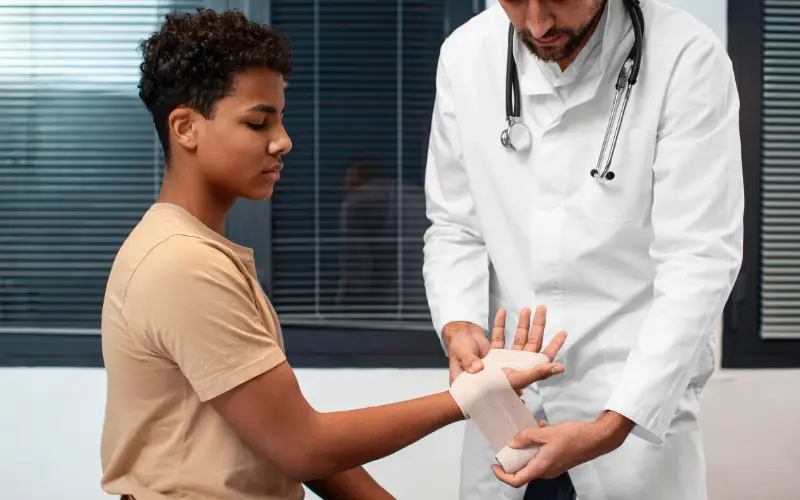
A lot of families delay coming in because they are scared of what will happen at the hospital. Knowing the actual process removes most of that fear.
Tests and Anti-Venom
The first thing a hospital does is assess the person and watch them closely. Vital signs, breathing, eye movements, muscle strength, and the bite site are all checked repeatedly.
A very simple bedside test is often used, called the 20 Minute Whole Blood Clotting Test. A small amount of the patient’s blood is left in a clean glass tube for twenty minutes. If it has not clotted, it strongly suggests venom is at work. Blood tests, kidney function, and urine checks may follow. Anti-venom is not given to every person who was bitten; it is given when there are clear signs of envenomation, because it is a powerful medicine with its own risks. It is given through a drip, under supervision, with the team ready to manage any reaction. Additional medicines may be added for nerve-type venom, along with a tetanus injection and treatment for any infection.
Why Observation for 24 Hours Matters
Even when a person looks completely fine, doctors usually keep them under observation for at least 24 hours. This is not to make money and it is not over-caution. It is because symptoms can begin hours after the bite, especially with krait and viper bites.
During this window, breathing is monitored closely, and if the breathing muscles weaken, ventilator support can keep the person alive while their body clears the venom. Many krait patients survive only because they were already in a hospital when their breathing started to fail. Discharge happens once the danger window has passed, the blood is clotting normally, and the patient is stable, along with clear instructions on what to watch for at home.
How to Prevent Snake Bites This Monsoon
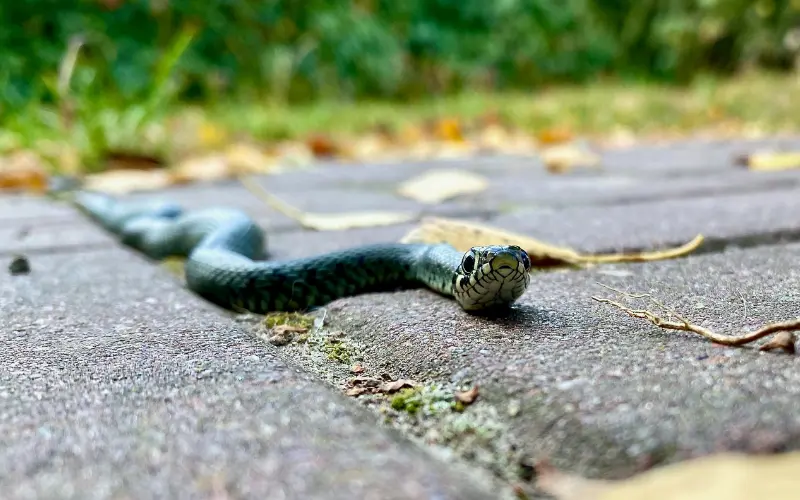
Prevention is not complicated. It is a handful of small habits that, honestly, cost you nothing.
Around the House
Snakes come where there is food, water, and cover. Take away the cover and most of your risk disappears.
- Cut the grass and weeds along the walls, and clear rubble, brick piles, and old wood stacks.
- Do not store fodder, grain sacks, or waste heaps touching the outer walls of the house.
- Control rats. Where there are rats, snakes will come.
- Seal gaps under doors, cracks in walls, and open drain and toilet outlets. Cover drains with mesh.
- Keep the yard free of standing water and old containers.
- Always use a torch or phone light when you step out after dark, and thump the ground as you walk.
- Keep shoes and buckets upside down, and shake out shoes and clothes before wearing them.
While Sleeping and Working
This is where the most serious bites can be prevented completely.
- Sleep on a cot, not on the floor, especially during monsoon. If you must sleep on the floor, use a mosquito net tucked in tightly all around, which is genuinely one of the best protections against krait bites.
- Keep bedding off the floor and check it before lying down.
- Wear closed shoes or gumboots and full-length pants in the fields, not chappals.
- Never put your bare hand into fodder stacks, wood piles, gunny bags, holes, or gaps you cannot see into. Use a stick.
- Take a light with you when checking on cattle at night, and look before you sit or kneel.
- Avoid walking through flooded fields and thick grass at night when you can.
- Teach children clearly: if you see a snake, freeze, then back away slowly and call an adult. Never poke it, never play with it, never try to kill it.
Frequently Asked Questions
1. Can a snake bite you while you are asleep without waking you?
Yes, and this is exactly how many krait bites happen. The bite can be nearly painless with barely visible marks, so the person only realises something is wrong when symptoms like stomach pain, heavy eyelids, or breathlessness begin hours later.
2. How long does it take for snake bite symptoms to appear?
It varies by snake. Cobra symptoms can start within 15 to 30 minutes, viper swelling and bleeding usually within the first hour or two, while krait symptoms often appear a few hours later. This is why observation in a hospital matters even when the person feels fine.
3. Is it safe to drive the person to the hospital ourselves?
Yes, and usually it is the fastest option in our area. Just make sure the patient is not the one walking or driving, keep them lying still and calm during the journey, and call the hospital on the way so the emergency team is prepared.
4. Should we kill the snake and take it along?
No. Trying to kill or catch a snake is how second bites happen, and doctors do not need the snake to start treatment. A photo taken from a safe distance is more than enough.
5. Can a non-venomous snake bite still be dangerous?
The venom is not the issue, but the wound can get infected, and tetanus is a real risk. Get it cleaned and dressed properly at a hospital and ask the doctor whether you need a tetanus shot.
6. Does anti-venom have side effects?
It can cause allergic reactions and, in some patients, a delayed reaction called serum sickness with fever, rash, and joint pain. This is precisely why anti-venom is given in a hospital under monitoring and never bought or attempted at home.
7. What if we already tied a tight cloth before reaching the hospital?
Do not remove it yourself in the vehicle. Tell the doctor immediately how tight it is and how long it has been on, so they can release it safely with treatment ready.
Struggling with same?
Book Your Appointment With Our Expert Doctors
Conclusion
A snake bite during monsoon in Nawanshahr is not a death sentence. It is an emergency with a very good outcome, as long as one thing happens: the person reaches proper medical care fast. Anti-venom works. Ventilator support works. What does not work is a tourniquet, a paste, a mantra, or the decision to wait until morning.
So remember the short version. Do not panic, do not tie anything tightly, do not cut or apply anything, do not let the person walk, and do not wait for the swelling. If there is drooping of the eyelids, trouble speaking or swallowing, breathlessness, fast-spreading swelling, unstoppable bleeding, dark urine, or sudden severe stomach pain, you are already out of time to think. Move.
Share this with your family, your neighbours, and especially with anyone who works in the fields or sleeps on the floor during the rains. Awareness spread today is a life saved in the next few weeks.
If a snake bite is suspected, bring the patient to Raja Hospital’s emergency department immediately, at any hour. Do not stop anywhere on the way and do not wait for symptoms to worsen. Call us while you are on the road so our emergency team is ready the moment you arrive.
Note: This blog is for general awareness and does not replace medical advice. In any suspected snake bite, seek emergency medical care immediately.