
Epilepsy in Nawanshahr: 7 Early Signs You Should Never Ignore!
REVIEWED BY Dr. Mohd. Hanif Bhat (MBBS, DrNB, Neurosurgery) on 25th Augist 2026.
Here’s what most people in our district don’t realize: epilepsy is not a mental illness, not a curse, and absolutely not contagious. It is a treatable brain condition, and when caught early, most patients go on to live completely normal, seizure-free lives. The problem isn’t the disease itself. The problem is silence, stigma, and late diagnosis.
This article is written specifically for the people of Nawanshahr and surrounding areas. Whether you’re a concerned parent noticing something “off” in your child, or an adult who has been brushing aside strange episodes for months, this guide will help you understand what epilepsy actually looks like in its early stages, and why acting now could change your life.
What Exactly is Epilepsy?

Before we talk about warning signs, let’s get the basics right. Epilepsy is a chronic neurological disorder in which the brain’s electrical activity becomes temporarily disrupted. Think of it like a power surge in your home’s wiring. When too many brain cells fire electrical signals at the same time, it causes a seizure.
A seizure is not a disease by itself. It’s a symptom. And epilepsy is the condition where these seizures happen repeatedly without an obvious trigger like high fever or alcohol withdrawal.
Key facts about epilepsy:
- It affects over 50 million people worldwide (WHO data)
- India alone has approximately 10-12 million people living with epilepsy
- It can begin at any age, though it most commonly starts in childhood or after age 60
- In about 50% of cases, the exact cause is unknown (called idiopathic epilepsy)
- Known causes include head injuries, brain infections, stroke, genetic factors, and birth complications
The condition ranges from mild (rare, brief seizures controlled easily with one medication) to severe (frequent seizures that resist multiple treatments). But here’s the most important thing to remember: the earlier you diagnose it, the better the outcome.
7 Early Signs of Epilepsy You Should Never Ignore

Not every seizure looks like what you see in movies, where someone falls to the ground shaking violently. In fact, many early signs of epilepsy are so subtle that families live with them for months or years without connecting the dots. Here’s what to watch for:
1. Sudden, Unexplained Staring Episodes
Have you noticed someone in your family suddenly “blanking out” for a few seconds? They stop talking mid-sentence, stare into space with a fixed gaze, and then resume the conversation as if nothing happened. They might blink rapidly or their eyes might flutter slightly.
These are called absence seizures, and they’re one of the earliest and most commonly missed signs of epilepsy, especially in children and young adults. Teachers often mistake this for daydreaming or lack of attention. Parents might think their child is just “not listening.”
What makes it different from normal zoning out? The person cannot be snapped out of it by calling their name or touching them. It happens abruptly, lasts 5-30 seconds, and the person has no memory of the episode.
If your child’s teacher reports frequent “spacing out” or if you notice it at home during meals or conversations, don’t ignore it. One or two episodes might be nothing, but if it’s happening multiple times a week, get it checked.
2. Unusual Jerking Movements in Arms or Legs
Brief, sudden jerks in the hands, arms, or legs, particularly in the morning shortly after waking up, are called myoclonic seizures. The person might drop their toothbrush, spill their chai, or jerk their arm while eating breakfast. It looks like they were startled by something, but there’s no external trigger.
Many people and their families mistake these for nervousness, tiredness, or even poor coordination. “Oh, he’s always clumsy in the morning” is a common explanation that masks what could be early epileptic activity.
When to be concerned: If these jerks happen regularly (several times a week), if they occur in clusters, or if they’re getting progressively worse over time. One random jerk when you’re half-asleep is normal. Repeated morning jerks that cause you to drop things are not.
3. Temporary Confusion or Memory Gaps
Finding yourself in the middle of a task with no memory of how you got there? Walking into a room and not just forgetting why you came (that happens to everyone), but having no recollection of the last few minutes at all?
Repeated episodes of confusion, disorientation, or short-term memory loss can be a sign that your brain is experiencing seizure activity that you’re not consciously aware of. This is especially common in adults who have focal seizures that affect the temporal lobe, the part of the brain responsible for memory.
Real-world examples: A shopkeeper who kept “losing” 10-15 minutes during his workday with no memory of what happened. A college student who would find half-written sentences in her notebook with no idea what she was trying to write. These turned out to be seizure episodes.
4. A Strange “Rising” Feeling in the Stomach
Many epilepsy patients describe an odd sensation that starts in the pit of their stomach and rises up toward their chest and throat. It’s not nausea exactly, and it’s not anxiety in the traditional sense. It feels like something is physically moving upward inside them.
This is called an aura, and it is actually a type of focal seizure itself. It’s your brain’s warning signal that a larger seizure might follow. Not everyone who has auras will go on to have a full seizure, but these episodes are medically significant.
How patients describe it: “Like butterflies but more intense,” “a wave rising from my stomach,” “like I’m on a roller coaster that I didn’t get on.” If you feel this sensation regularly, especially if it’s followed by confusion, memory loss, or any of the other signs on this list, it needs investigation.
5. Sudden Fear or Anxiety Without Any Reason
You’re sitting at home, watching TV, perfectly relaxed, and suddenly a wave of intense, overwhelming fear crashes over you. Your heart races, you feel like something terrible is about to happen, but there’s no reason for it. Then, as quickly as it came, it passes.
These episodes of sudden, unexplained fear or panic can be linked to seizure activity in the temporal lobe of the brain. They’re often misdiagnosed as panic attacks or anxiety disorder, especially in younger patients. The difference? These episodes are brief (usually under 2 minutes), come completely without context, and may be accompanied by other subtle signs like a strange taste in the mouth, a smell that isn’t there, or a feeling of déjà vu.
Important distinction: Anxiety disorders usually have identifiable triggers or build up gradually. Epilepsy-related fear episodes hit like a switch being flipped and disappear just as suddenly.
6. Repetitive Movements Like Lip Smacking or Hand Rubbing
During a “zone-out” episode, does the person make repetitive, purposeless movements? Common ones include lip smacking, chewing motions (when they’re not eating), hand rubbing, picking at clothes, fumbling with buttons, or making swallowing movements.
These are called automatisms, and they’re classic signs of focal seizures with impaired awareness (previously called complex partial seizures). The person performing these actions has no conscious control over them and usually doesn’t remember doing them afterward.
Why this gets missed: Family members often don’t connect the “fidgeting” with the blank stare. They see their loved one rubbing their hands or smacking their lips and think it’s a nervous habit. But if it only happens during periods of apparent unresponsiveness, it’s a red flag.
7. Loss of Consciousness or Falling Without Warning
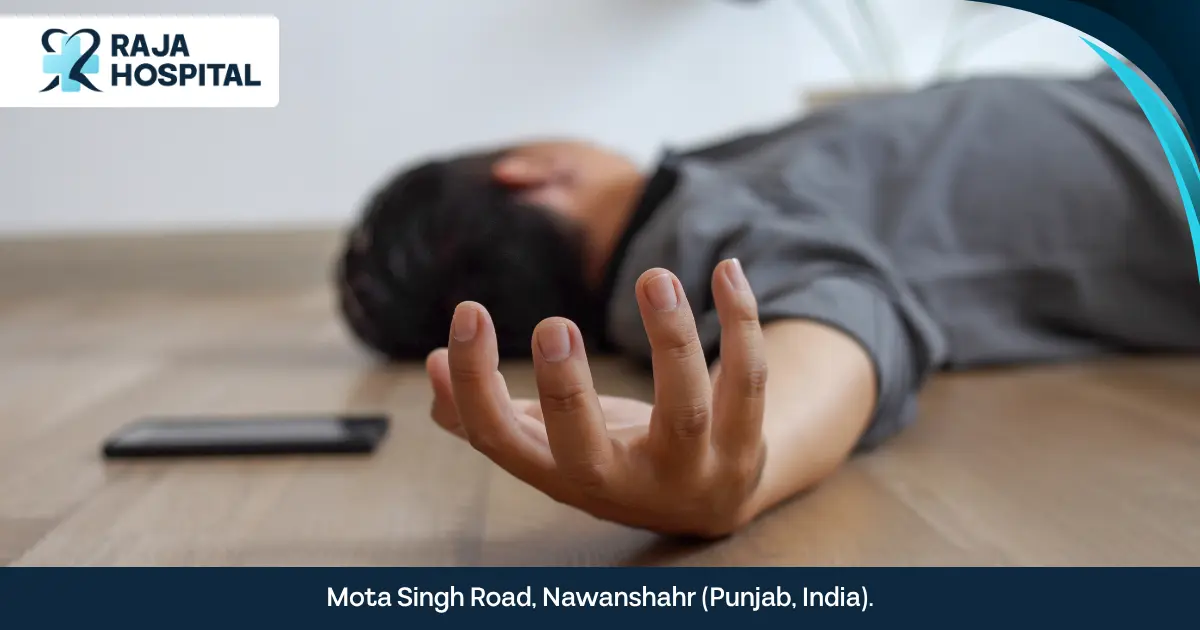
This is the sign most people associate with epilepsy: sudden falling, loss of consciousness, body stiffening, and rhythmic jerking of limbs. These are tonic-clonic seizures (previously called grand mal seizures), and they’re the most dramatic and frightening type.
But here’s what most people don’t know: by the time someone is having full tonic-clonic seizures, the underlying epilepsy has often been present for a while, manifesting through the subtler signs described above. This is why recognizing the earlier signs is so critical.
What a tonic-clonic seizure looks like: The person suddenly cries out, their body goes stiff (tonic phase), they fall, and then their arms and legs begin jerking rhythmically (clonic phase). They may bite their tongue, lose bladder control, and appear blue around the lips. The episode typically lasts 1-3 minutes.
If this happens even once, seek immediate neurological evaluation. One seizure doesn’t necessarily mean epilepsy, but it absolutely warrants investigation.
Who is at Risk for Epilepsy?

Epilepsy doesn’t discriminate, but certain factors increase the risk. Understanding these can help families in Nawanshahr stay alert:
Children and adolescents are at higher risk, especially if there were complications during birth (oxygen deprivation, premature delivery, low birth weight), if there’s a family history of seizures, or if the child had prolonged febrile seizures (fever fits) in infancy.
Adults who have suffered head injuries from road accidents, falls, or workplace injuries should watch for seizure signs, sometimes even months or years after the injury. Given the number of road accidents on NH-21 and other highways near Nawanshahr, this is particularly relevant for our community.
Older adults (60+) face increased risk due to conditions that become more common with age: stroke, brain tumors, and Alzheimer’s disease can all trigger epilepsy.
Other risk factors include:
- Family history of epilepsy or seizures
- History of brain infections (meningitis, encephalitis)
- Stroke or other vascular diseases
- Excessive alcohol use
- Brain tumours
Common Myths About Epilepsy (That People in Nawanshahr Still Believe)

Misinformation about epilepsy is still widespread in small towns across Punjab. These myths don’t just cause social problems. They directly prevent people from getting life-changing treatment. Let’s address them head-on:
Myth: Epilepsy is a mental illness or “paagalpan.”
Fact: Epilepsy is a neurological condition caused by abnormal electrical activity in the brain. It has absolutely nothing to do with mental health, intelligence, or character. A person with epilepsy is as mentally capable as anyone else.
Myth: Epilepsy is caused by evil spirits or black magic.
Fact: This belief still persists in parts of rural Punjab, and it’s one of the most harmful myths. Families waste months or years visiting babas and performing rituals while the condition worsens. Epilepsy has clear medical causes: genetics, head injuries, infections, and brain structure abnormalities. It requires medical treatment, period.
Myth: You should put something in the mouth of a person having a seizure.
Fact: This is dangerous and wrong. People cannot swallow their tongue during a seizure. Putting a spoon, cloth, or fingers in someone’s mouth during a seizure can break their teeth, injure their jaw, or cause choking. Instead, gently turn them on their side, cushion their head, remove nearby sharp objects, and wait for the seizure to pass. Call for medical help if it lasts more than 5 minutes.
Myth: People with epilepsy cannot live normal lives.
Fact: With proper medication and care, most people with epilepsy live completely normal, active, and productive lives. They work, study, get married, have children, and do everything anyone else does. Many achieve full seizure control and eventually come off medication entirely.
Myth: Epilepsy is contagious.
Fact: Absolutely not. You cannot “catch” epilepsy from touching, sitting near, or caring for someone who has it. This myth causes terrible social isolation, especially for children in schools. If your child has a classmate with epilepsy, there is zero risk to your child.
Myth: Seizures are always painful.
Fact: Most people don’t feel pain during a seizure itself because they’re unconscious or unaware. They may feel sore afterward from muscle contractions, but the seizure itself isn’t typically painful.
Note: These myths are dangerous because they delay treatment. Every month of delayed treatment is a month of unnecessary risk: risk of injury during uncontrolled seizures, risk of the condition worsening, and risk of long-term brain changes that could have been prevented.
How is Epilepsy Diagnosed?

Many families in Nawanshahr avoid seeing a neurologist because they fear the diagnosis process will be complicated, expensive, or painful. Here’s the truth: diagnosing epilepsy is straightforward and non-invasive.
Step 1: Detailed Medical History
The neurologist will ask about the episodes you’ve been experiencing: what happens before, during, and after. They’ll ask about family history, past head injuries, and birth complications. This conversation is often the most important part of diagnosis, which is why it helps to bring a family member who has witnessed the episodes.
Step 2: EEG (Electroencephalogram)
This is the primary test for epilepsy. Small sensors are placed on the scalp (painlessly, with a gel) and they record the brain’s electrical activity. The test takes about 30-45 minutes. It’s completely painless, non-invasive, and safe for all ages including children. An abnormal EEG pattern can confirm seizure activity.
Step 3: Brain Imaging (if needed)
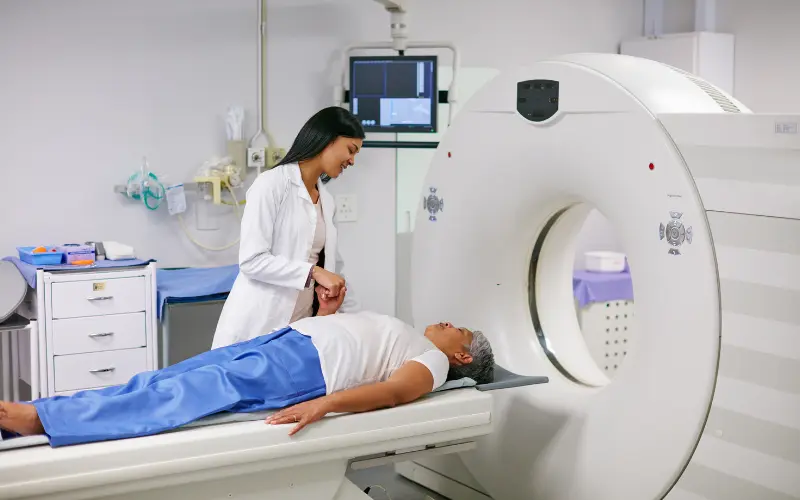
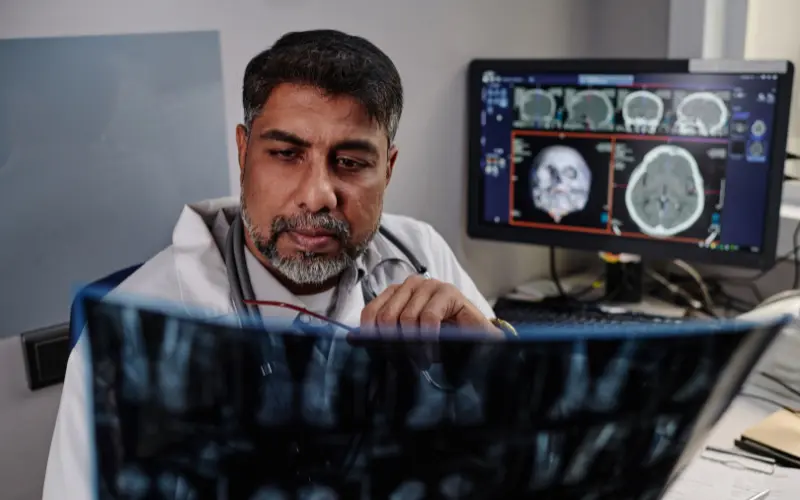
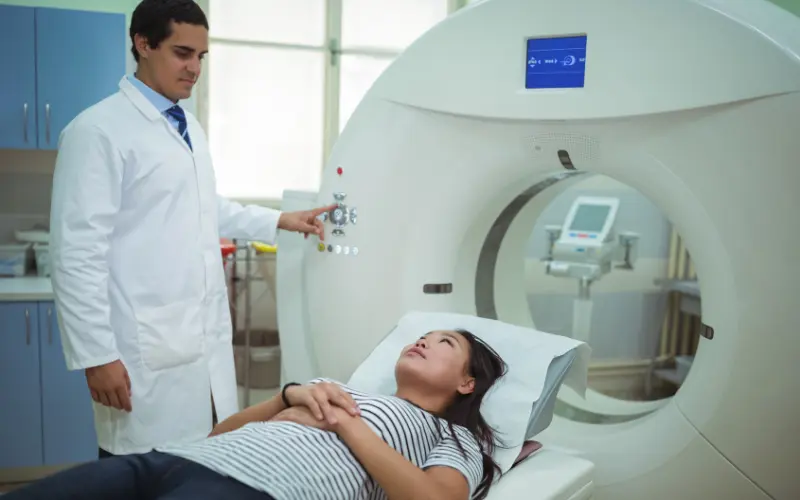
In some cases, the doctor may recommend an MRI or CT scan to look at the brain’s structure and rule out other causes like tumors, scar tissue, or blood vessel abnormalities. Again, these are painless procedures.
Step 4: Blood Tests
Basic blood work helps rule out other conditions that can mimic seizures, such as very low blood sugar, electrolyte imbalances, or infections.
The entire diagnostic process can often be completed within one or two visits. No hospitalization is typically required for diagnosis.
Treatment Options Available in Nawanshahr
Gone are the days when epilepsy patients from small towns had to travel to Chandigarh or Ludhiana for treatment. Here’s what’s available right here:
Anti-Epileptic Medications (AEDs)
This is the first line of treatment, and it works remarkably well. Modern anti-epileptic drugs are effective, have fewer side effects than older medications, and are affordable. About 70% of epilepsy patients achieve complete seizure control with the right medication. Finding the right drug and dose may take some adjustment, but once established, most patients simply take one or two pills daily and live seizure-free.
Regular Follow-Up Care
Epilepsy management isn’t just about prescribing pills. It requires regular follow-ups to monitor medication levels, check for side effects, and adjust doses as needed. Having a neurologist accessible locally in Nawanshahr means you don’t have to miss work or travel hours for routine check-ups.
Lifestyle Guidance
Your neurologist will also guide you on lifestyle factors that can reduce seizure frequency: sleep hygiene (lack of sleep is a major trigger), stress management, avoiding known triggers, and guidance on activities like driving and swimming.
Advanced Options for Resistant Cases
For the small percentage of patients whose seizures don’t respond well to medication, options include combination drug therapy, newer generation medications, and referral for surgical evaluation when appropriate.
Living with Epilepsy: Practical Advice for Families

If someone in your family has been diagnosed with epilepsy, here’s how you can support them:
Educate yourself and your family. The more everyone understands about the condition, the less fear and stigma there will be at home. Epilepsy is just a medical condition, like diabetes or hypertension. It doesn’t define the person.
Never miss medications. Skipping doses is the number one cause of breakthrough seizures. Help your family member maintain a strict medication routine. Set alarms, use pill boxes, do whatever it takes to stay consistent.
Know seizure first aid. Learn what to do (and what NOT to do) when someone has a seizure. Turn them on their side, protect their head, don’t restrain them, don’t put anything in their mouth, time the seizure, and call for help if it lasts over 5 minutes.
Identify and avoid triggers. Common seizure triggers include sleep deprivation, excessive stress, alcohol, flashing lights (in some people), and missed medications. Help create an environment that minimizes these triggers.
Don’t overprotect. People with well-controlled epilepsy can and should live normal lives. Let them work, study, socialize, and be independent. Overprotection breeds helplessness and depression.
Address the emotional side. Living with epilepsy can cause anxiety, depression, and low self-esteem, especially in young people. Be open to conversations about how they’re feeling. If needed, seek counseling support.
Why Early Diagnosis Matters More Than You Think
The longer epilepsy goes undiagnosed, the more it affects every aspect of daily life. Children fall behind in school because absence seizures disrupt their concentration. Adults lose jobs because unexplained “episodes” make employers nervous. Relationships suffer because family members don’t understand what’s happening.
But the medical consequences are even more serious:
- Uncontrolled seizures can cause physical injuries from falls, burns, or drowning
- Status epilepticus (a seizure lasting more than 5 minutes) is a medical emergency that can cause brain damage
- Untreated epilepsy may worsen over time, with seizures becoming more frequent or severe
- Long-term uncontrolled seizures can affect memory and cognitive function
Now here’s the flip side, the good news that should motivate you to act:
- 70-80% of epilepsy cases can be fully controlled with the right medication
- Many patients become completely seizure-free within the first year of treatment
- Early treatment prevents the condition from worsening
- A proper EEG and neurological exam can confirm diagnosis quickly
- Some patients eventually taper off medication entirely after years of seizure freedom
When Should You See a Neurologist?
Don’t wait for a “big seizure” to take action. Here are clear situations where you should book an appointment:
- You or a family member has experienced any one of the seven signs listed above more than once
- A child is having repeated staring spells or unexplained drops in school performance
- Someone has had a single convulsive seizure (even just one warrants evaluation)
- There’s a family history of epilepsy and you’re noticing unusual symptoms
- Someone is having uncontrolled body jerks, especially in the morning
- Episodes of sudden confusion or memory loss that cannot be explained by other conditions
Raja Hospital, Nawanshahr has a dedicated neurology department equipped with modern diagnostic facilities including EEG testing. Our experienced neurologists provide comprehensive epilepsy care, from initial diagnosis to long-term management, right here in your hometown. No need to travel to bigger cities. No need to wait weeks for an appointment.
Frequently Asked Questions (FAQs)
Q1: Can epilepsy be completely cured?
Yes, about 70-80% of patients achieve full seizure control with medication. Many eventually stop medicines entirely after staying seizure-free for 2-3 years.
Q2: Is epilepsy hereditary? Will my children get it?
The risk is low (around 5-10%). Having epilepsy does not mean your children will definitely develop it. Your neurologist can guide you based on your specific type.
Q3: Can a person with epilepsy get married and have children?
Absolutely. People with controlled epilepsy live normal lives including marriage and safe pregnancies. Just consult your neurologist before planning a pregnancy.
Q4: What should I do if someone near me has a seizure?
Turn them on their side, cushion their head, and remove sharp objects nearby. Do NOT put anything in their mouth or hold them down. Call for help if it lasts more than 5 minutes.
Q5: Are epilepsy medications safe for long-term use?
Yes, modern anti-epileptic drugs are well-tolerated and designed for long-term use. Minor side effects like drowsiness usually settle within a few weeks.
Q6: Can lifestyle changes help control seizures?
Proper sleep, stress management, avoiding alcohol, and regular meals all help reduce seizure frequency. Medication remains primary, but a healthy lifestyle supports better control.
Q7: Is EEG testing available in Nawanshahr?
Yes. Raja Hospital has modern EEG facilities and a dedicated neurology department. Complete epilepsy care is available locally, no need to travel to bigger cities.
Struggling with same?
Book Your Appointment With Our Expert Doctors

Take the First Step Today
Epilepsy is not something to hide, whisper about, or be ashamed of. It’s a medical condition that responds beautifully to proper treatment. The people of Nawanshahr, Banga, Rahon, Balachaur, and all surrounding areas deserve access to quality neurological care without the burden of traveling far from home.
If you recognize any of these signs in yourself or a loved one, don’t let another week pass. Don’t let stigma keep you from seeking answers. Don’t let myths stand between you and a normal, seizure-free life.
Book a consultation with our neurology team at Raja Hospital, Nawanshahr today. One appointment could be the beginning of a completely different life, one free from uncertainty, fear, and uncontrolled seizures.
Your brain health matters. Early action today means a seizure-free tomorrow. This article is for educational purposes. Always consult a qualified neurologist for personalized medical advice.