
Fissure Treatment in Nawanshahr: 9 Things to Know Before Surgery!

REVIEWED BY DR. SHOKET ALI (MD MEDICINE) on 5 october 2026.
A sharp pain while passing stool. A few drops of fresh blood. A burning sensation that continues even after you leave the washroom.
Many patients ignore these signs at first. They assume it is a minor problem, feel embarrassed to discuss it, or worry that visiting a doctor will automatically lead to surgery.
But an anal fissure does not always require surgery. In many cases, early treatment, better bowel habits, medicines, warm water baths, and dietary changes can help. Surgery is usually considered when the fissure becomes chronic, keeps returning, or does not improve with other treatment options.
The real problem begins when pain and bleeding are ignored for weeks. Constipation continues, the wound keeps reopening, and every bowel movement becomes stressful. What started as a small tear can begin affecting your sleep, work, appetite, and daily routine.
That is why understanding your symptoms early is so important.
In this guide, I will explain the causes, triggers, early signs, treatment options, surgery planning, procedure, after-surgery care, and recovery time in simple language. You will also understand when home care may be enough, when you should consult a doctor, and when surgery may actually be necessary.
Most importantly, you do not need to feel embarrassed or afraid. Anal fissures are common, manageable, and treatable with the right medical guidance.
What Is an Anal Fissure?
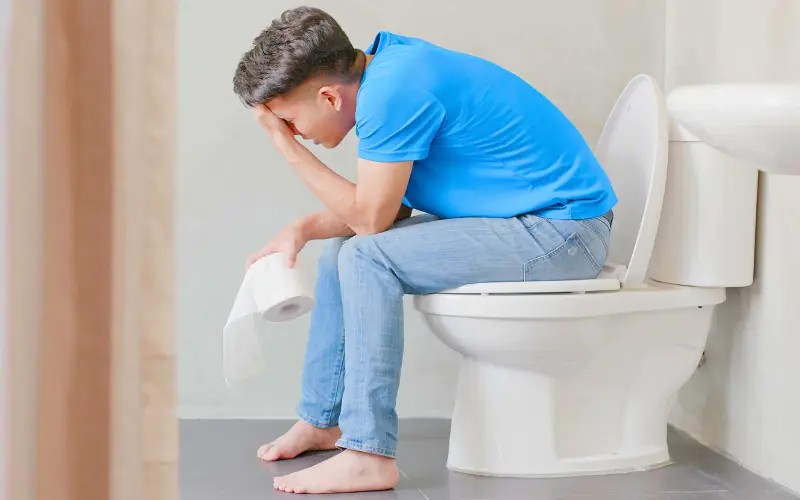
An anal fissure is a small cut or tear in the skin around the opening of the anus. It usually happens when a hard or large stool passes through and stretches the skin more than usual.
Although the cut may be small, the pain can feel severe because this area has many sensitive nerves. Some patients describe it as a sharp, cutting, or burning pain during a bowel movement. The discomfort may continue for several minutes or even hours afterward.
You may also notice a few drops of bright red blood on the toilet paper or on the surface of the stool. This can feel frightening, but it does not always mean there is a serious condition. Still, repeated bleeding should never be ignored because piles, infections, and other bowel conditions may cause similar symptoms.
A fissure can be:
Acute fissure
An acute fissure is a fresh tear that has usually been present for a short time. It may heal with timely treatment, softer stools, dietary changes, medicines, and proper toilet habits.
Chronic fissure
A chronic fissure has remained for several weeks or keeps reopening. The wound may become deeper, and a small skin tag may develop near it. At this stage, home remedies alone may not be enough, and a doctor may recommend additional treatment after examining the condition.
The important thing to remember is that an anal fissure is treatable. It also does not mean that you will definitely need surgery. The right treatment depends on how long the fissure has been present, how severe the symptoms are, and whether it improves with non-surgical care.
Early Signs and Symptoms You Should Not Ignore
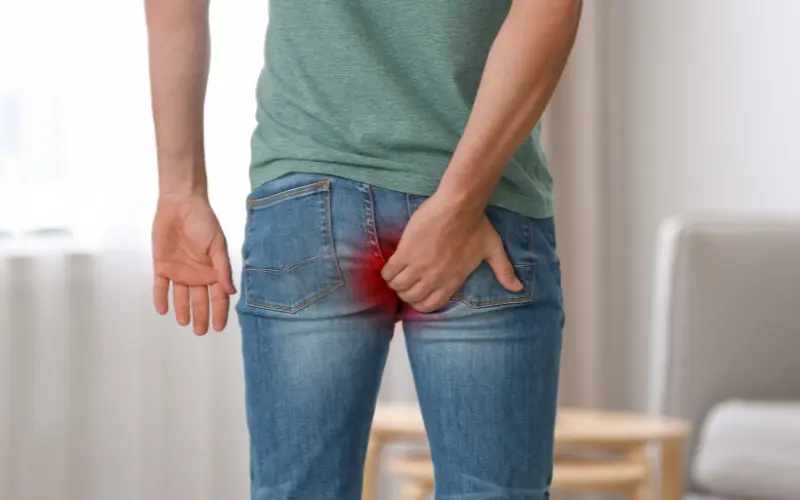
An anal fissure often starts with mild discomfort, but the symptoms can become more painful if the tear keeps reopening. The most common early sign is a sharp pain while passing stool. Some patients describe it as a cutting, tearing, or burning sensation.
You may also notice:
- Bright red blood on toilet paper
- A few drops of blood in the toilet
- Burning or pain after a bowel movement
- Itching or irritation around the anus
- Tightness or spasm in the anal area
- Fear of passing stool because of pain
- A small lump or skin tag near the anus in long-standing cases
The pain may continue for a few minutes or sometimes for several hours after using the toilet. Because of this, some people start delaying bowel movements. Unfortunately, holding stool can make it harder and increase the chance of reopening the fissure.
Not every case of pain or bleeding is caused by a fissure. Piles, infections, abscesses, and other bowel conditions can cause similar symptoms. That is why repeated bleeding, severe pain, swelling, discharge, or fever should be checked by a doctor.
Early consultation can help identify the cause and may prevent a simple fissure from becoming a chronic problem.
What Triggers an Anal Fissure?
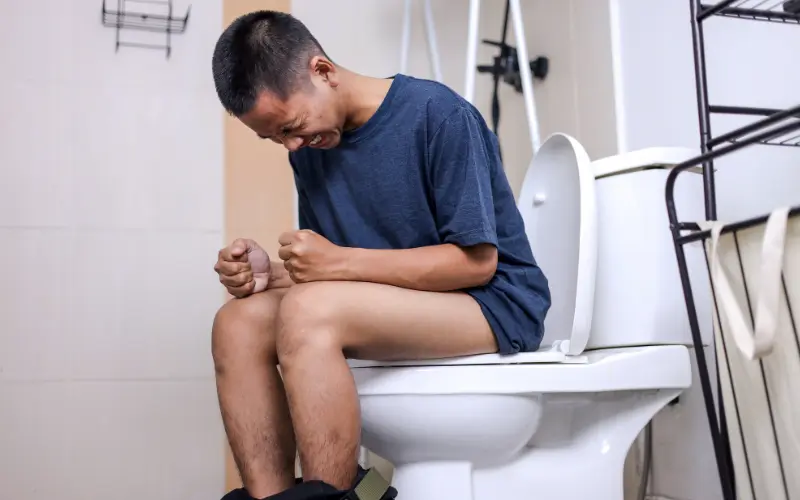
An anal fissure usually develops when the skin around the anus is stretched or injured during a bowel movement.
The most common trigger is constipation. When stool becomes hard and dry, it can create a small tear while passing through.
Other common triggers include:
- Straining too much during a bowel movement
- Passing a large or hard stool
- Drinking too little water
- Eating a low-fibre diet
- Delaying the urge to pass stool
- Frequent diarrhoea
- Repeated loose motions
- Pregnancy and childbirth
- Long periods of sitting
- Sudden changes in bowel habits
Some people get stuck in a painful cycle. A hard stool causes a tear, the tear causes pain, and the fear of pain makes them delay the next bowel movement. The stool then becomes even harder, and the fissure opens again.
This is why treatment is not only about applying an ointment. The main trigger, such as constipation or frequent diarrhoea, also needs to be managed.
Try to notice what happens before your symptoms become worse. Do you drink less water? Have you changed your diet? Are you straining or spending too much time on the toilet? These small patterns can help your doctor understand the likely cause and plan the right treatment.
Does Every Fissure Need Surgery?
No. Every anal fissure does not need surgery. In many early cases, the fissure can improve with medicines, dietary changes, warm water baths, and steps to keep the stool soft. The main goal is to stop the wound from reopening during every bowel movement.
A doctor may first recommend:
- More fibre in your diet
- Adequate water intake
- Stool-softening medicines
- Prescribed ointments
- Warm sits baths
- Better toilet habits
- Treatment for constipation or diarrhoea
These measures can reduce pain, relax the anal muscles, and give the tear time to heal. Surgery is usually considered when the fissure has become chronic, keeps returning, causes severe pain, or does not improve despite proper non-surgical treatment. The decision is made after examining the fissure and understanding how long the symptoms have been present.
Many patients delay visiting a doctor because they fear surgery. This delay can make the condition more difficult to manage. A consultation does not mean you will be advised surgery. It simply helps the doctor confirm the cause and suggest the most suitable treatment.
The earlier you seek medical advice, the better the chance of managing the fissure without a procedure.
Non-Surgical Treatment Options for Fissure

When an anal fissure is detected early, treatment usually focuses on one simple goal: keeping the stool soft so the tear does not reopen.
Your doctor may recommend the following measures:
1. Add More Fibre to Your Diet
Fibre helps make stools softer and easier to pass. Include fruits, vegetables, whole grains, oats, salads, and pulses in your daily meals.
Increase fibre gradually. A sudden increase may cause gas or bloating in some people.
2. Drink Enough Water
Fibre works better when your body receives enough fluids. Drinking adequate water throughout the day can help prevent hard, dry stools.
Your individual fluid requirements may vary, especially if you have kidney, heart, or another medical condition. Follow your doctor’s advice.
3. Take a Warm Sitz Bath
A sitz bath means sitting in comfortably warm water for around 10 to 20 minutes. It may help relax the muscles around the anus and provide relief from pain or burning.
You can take a sitz bath after passing stool or as advised by your doctor.
4. Use Prescribed Medicines
Depending on your condition, the doctor may prescribe an ointment to reduce pain, relax the anal muscle, and support healing.
Stool softeners or laxatives may also be advised if constipation is contributing to the fissure. Avoid starting or continuing medicines without medical guidance.
5. Improve Your Toilet Habits
Go to the toilet when you feel the urge. Holding stool for too long can make it harder and more difficult to pass.
Avoid straining, sitting on the toilet for long periods, or repeatedly trying to force a bowel movement.
6. Manage Frequent Loose Motions
Constipation is not the only trigger. Frequent diarrhoea can also irritate the area and prevent the fissure from healing. In such cases, the cause of loose motions needs proper treatment.
Non-surgical care can help many patients, but it must be followed consistently. Using an ointment for a few days while continuing the same diet and toilet habits may not provide lasting relief.
Consult a doctor if the pain or bleeding continues, keeps returning, or becomes worse. The doctor can confirm whether it is actually a fissure and decide whether further treatment is required.
When Should You Consult a Doctor?

A little pain or bleeding may seem easy to ignore, especially when you think constipation is the only cause. But anal symptoms should not be diagnosed on your own.
You should consult a doctor if:
- Pain continues despite home care
- Bleeding happens repeatedly
- Symptoms keep coming back
- Pain continues for a long time after passing stool
- You notice a lump, swelling, or increasing tenderness
- Constipation or diarrhoea continues
- The problem starts affecting your sleep, appetite, work, or daily routine
You should also seek medical advice if you are unsure whether the problem is a fissure or piles. Both conditions can cause pain and bleeding, but their treatment may be different. A doctor can examine the area, identify the actual cause, and recommend the right treatment.
Seek immediate medical attention if you have heavy bleeding, dizziness, fever, discharge, severe swelling, or rapidly increasing pain.
Many patients delay consultation because they feel embarrassed or worry that the doctor will immediately suggest surgery. But visiting a doctor does not mean you will need an operation.
In fact, an early consultation may help control the fissure with medicines, dietary changes, and better bowel habits. Delaying treatment may allow the fissure to become chronic and more difficult to heal.
When Is Fissure Surgey Recommended?
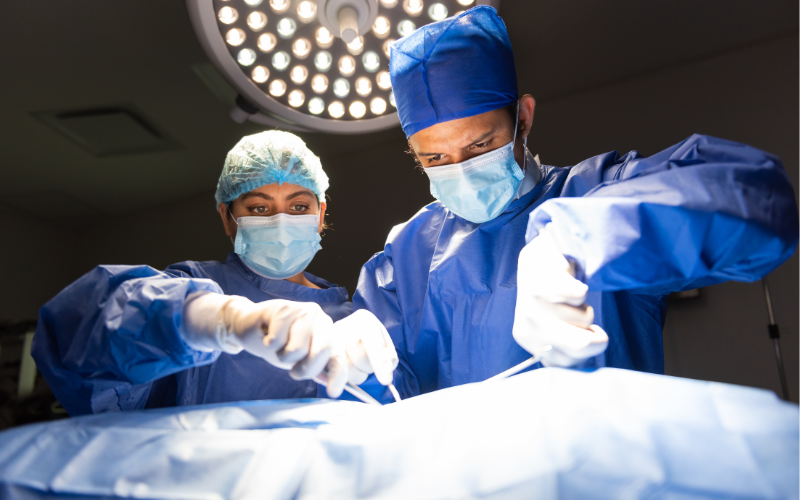
Surgery is not the first treatment for every anal fissure. It is usually considered when the fissure has become chronic or does not heal despite proper medicines, dietary changes, and bowel-care measures.
Your doctor may discuss surgery if:
- The fissure has remained for several weeks
- Pain and bleeding keep returning
- Medicines and ointments have not provided enough relief
- The anal muscle remains tight or goes into repeated spasms
- A skin tag or other signs of a chronic fissure have developed
- The condition is affecting your work, sleep, or daily routine
- The tear repeatedly opens during bowel movements
The purpose of surgery is to reduce the pressure or spasm in the anal muscle so that blood flow improves and the fissure gets a better chance to heal.
Before recommending a procedure, the doctor will examine your condition, review your symptoms, and understand which treatments you have already tried. Your age, overall health, bowel habits, and any previous anal surgery may also be considered.
Do not assume that severe pain automatically means you need surgery. Some painful fissures can still improve with non-surgical care. At the same time, repeatedly delaying treatment for a chronic fissure may prolong the pain and make daily life more difficult.
The decision should always be made after a proper consultation. Your doctor should explain why surgery is being considered, what procedure may be suitable, what recovery may involve, and what other options are available.
Fissure Surgery Planning at Raja Hospital
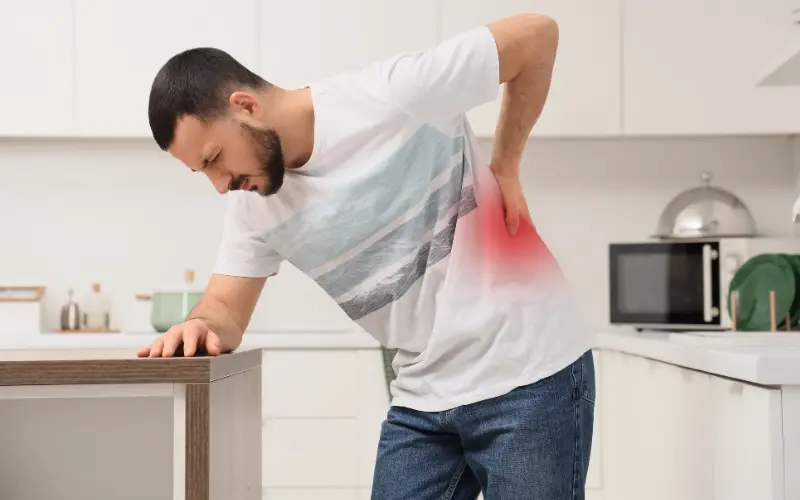
If surgery is recommended, proper planning helps make the treatment safer and less stressful. At Raja Hospital, the process begins with a detailed consultation so the doctor can understand your symptoms, medical history, and previous treatments.
The doctor may ask:
- How long you have had pain or bleeding
- Whether the symptoms improve and return
- What medicines or ointments you have already used
- Whether you have constipation or frequent loose motions
- Whether you have diabetes, blood pressure, heart disease, or another medical condition
- Whether you take blood thinners or other regular medicines
- Whether you have had any previous surgery in the anal area
A physical examination may be needed to confirm the fissure and check whether it is acute or chronic. The doctor will also make sure that the symptoms are not being caused by piles, infection, abscess, or another condition.
Before surgery, you may be advised to undergo basic tests depending on your age, health, and type of anaesthesia. The medical team will also explain:
- Which procedure is being planned
- Why it is suitable for your condition
- Whether fasting is required
- Which medicines to continue or stop
- How long the procedure may take
- Whether you can go home the same day
- What care will be needed after surgery
This is also the right time to ask questions. You should clearly understand the procedure, possible risks, expected recovery, and follow-up plan before giving consent.
Good surgery planning is not only about the operation. It also includes controlling constipation, keeping stools soft, arranging help at home if needed, and preparing for a comfortable recovery.
What Happens During Fissure Surgery?
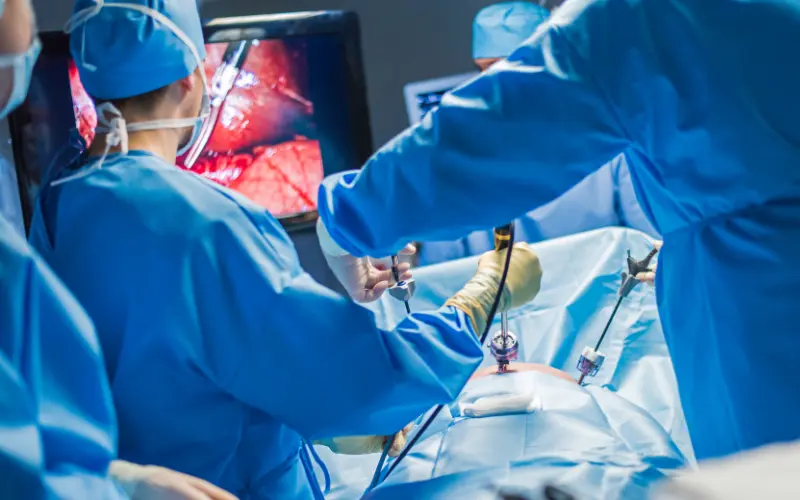
Fissure surgery is usually a short procedure performed under anaesthesia. The exact method depends on how severe and long-standing the fissure is.
Common Surgical Procedure
For chronic fissures, the doctor may recommend lateral internal sphincterotomy. This procedure helps relax the tight anal muscle and allows the fissure to heal.
- Anaesthesia is given before the procedure
- A small part of the tight muscle is released
- Unhealthy tissue or a skin tag may be removed if required
- Many patients can return home the same day
- Mild pain or discomfort may occur during early recovery
- Medicines and stool softeners may be prescribed
- Proper hygiene and follow-up care support healing
What to Expect After Fissure Surgery
After fissure surgery, mild pain, tenderness, or discomfort is common for a few days. Most patients gradually feel better as the wound starts healing.
Early Recovery
The first bowel movement may feel uncomfortable, but keeping the stool soft can reduce pain and prevent straining.
- Take prescribed medicines on time
- Use stool softeners as advised
- Drink enough water
- Eat fibre-rich foods
- Take warm sitz baths
- Keep the area clean and dry
- Avoid heavy lifting for a few days
- Attend follow-up visits as advised
Fissure Surgery Recovery Time
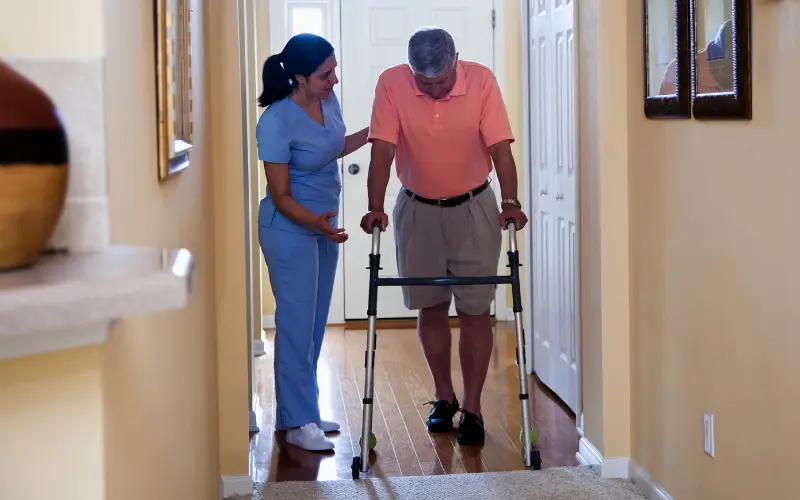
Recovery after fissure surgery varies from person to person. Many patients can resume light daily activities within a few days, but complete healing may take a few weeks.
What Can Affect Recovery?
Your recovery depends on the type of procedure, overall health, bowel habits, and how carefully you follow post-surgery advice.
- Light activities may resume within a few days
- Desk work may be possible after a short rest
- Heavy exercise should be avoided initially
- Pain usually reduces gradually
- Soft stools can make recovery more comfortable
- Follow-up visits help monitor healing
- Contact your doctor if pain, bleeding, swelling, or fever increases
Care After Fissure Surgery

Proper care after surgery can make bowel movements more comfortable and support healing. The main goal is to prevent constipation, avoid straining, and keep the surgical area clean.
Simple Recovery Care
Follow your doctor’s instructions carefully and do not stop medicines early, even if you start feeling better.
- Eat fibre-rich foods
- Drink enough water
- Take stool softeners as prescribed
- Avoid straining during bowel movements
- Take warm sitz baths
- Keep the area clean and dry
- Avoid heavy lifting during early recovery
- Attend scheduled follow-up visits
- Contact your doctor if pain, bleeding, swelling, discharge, or fever increases
Can a Fissure Come Back After Treatment?

Yes, an anal fissure can return, especially if constipation, hard stools, or straining continue. Treatment heals the tear, but long-term bowel habits help prevent it from reopening.
How to Reduce the Risk of Recurrence
Simple daily habits can make a big difference after treatment.
- Eat enough fibre
- Drink adequate water
- Avoid delaying bowel movements
- Do not strain on the toilet
- Treat constipation or diarrhoea early
- Stay physically active
- Follow your doctor’s advice
- Seek medical care if symptoms return
Why Choose Raja Hospital for Fissure Treatment in Nawanshahr?

At Raja Hospital, patients can discuss their symptoms without hesitation and understand the available treatment options clearly. The focus is on choosing treatment according to the patient’s condition rather than assuming that everyone needs surgery.
Patient-Focused Fissure Care
The medical team supports patients through consultation, treatment planning, surgery when required, and recovery guidance.
- Clear explanation of symptoms and diagnosis
- Non-surgical options considered where suitable
- Personalised surgery planning when needed
- Guidance for diet, medicines, and bowel care
- Support before and after the procedure
- Follow-up care to monitor recovery
- Convenient treatment for patients in and around Nawanshahr
Frequently Asked Questions
1. Can an anal fissure heal without surgery?
Yes. Many early fissures improve with medicines, stool softeners, warm sitz baths, dietary changes, and better bowel habits. Surgery is usually considered when the fissure becomes chronic or does not heal with proper treatment.
2. How do I know if my fissure is serious?
You should consult a doctor if pain or bleeding continues, symptoms keep returning, or you notice swelling, discharge, fever, or severe discomfort.
3. How long does an anal fissure take to heal?
Healing time depends on whether the fissure is new or chronic. Early fissures may improve within a few weeks, while long-standing fissures may need additional treatment.
4. Is fissure surgery painful?
Anaesthesia is given during the procedure, so you should not feel pain during surgery. Mild pain or discomfort may occur afterward and can usually be managed with prescribed medicines.
5. How long is recovery after fissure surgery?
Many patients resume light activities within a few days. Complete healing may take a few weeks, depending on the procedure, overall health, and post-surgery care.
Struggling with same?
Book Your Appointment With Our Expert Doctors
Conclusion
An anal fissure can be painful, but it is treatable. Early cases may improve with medicines, dietary changes, warm sitz baths, and better bowel habits. Surgery is usually considered only when the fissure becomes chronic or does not respond to other treatments.
Do not ignore repeated pain, bleeding, or discomfort because early medical advice can prevent the condition from becoming more difficult to manage.
If you have symptoms or doubts about fissure treatment, visit Raja Hospital and consult a doctor. A proper examination can help you understand the cause and choose the right treatment.