
Sudden Paralysis in Nawanshahr: 7 Warning Signs Before It’s Late!

REVIEWED BY Dr. Mohd. Hanif Bhat (MBBS, DrNB, Neurosurgery) on 24 may 202.6
Sudden paralysis doesn’t always arrive like a dramatic movie scene. Sometimes, it starts quietly.
A hand feels weaker than usual. The face looks slightly tilted. Words don’t come out clearly. The person says, “Bas thodi weakness lag rahi hai,” and the family thinks, “Maybe it’s tiredness. Maybe BP low ho gaya hoga. Maybe rest karne se theek ho jayega.”
And that “maybe” is where the danger begins. In many sudden paralysis cases, especially when stroke-like symptoms are involved, time plays a very important role. The faster the patient gets medical attention, the better the chances of timely diagnosis and treatment. But the problem is, most families in Nawanshahr don’t know which signs are serious and which symptoms need immediate hospital care.
This article is written to create awareness, not fear.
You’ll learn the early warning signs of sudden paralysis, possible reasons behind it, what you can safely do at home before reaching the hospital, and most importantly, when you should visit a doctor immediately.
Because when it comes to sudden paralysis, waiting is not care.
Acting fast is. If someone around you shows sudden weakness, face drooping, speech difficulty, numbness, or balance problems, don’t ignore it.
Sudden Paralysis Is Not “Just Weakness”; It Can Be an Emergency

Sudden paralysis can be frightening. But what makes it more dangerous is that, in the beginning, it may not look like an emergency.
The person may not faint.
They may not scream in pain.
They may even say, “I am okay.”
But their body may be telling a different story.
Maybe one side of the face looks slightly drooped. Maybe one arm suddenly feels weak. Maybe they are unable to speak clearly. Maybe they are walking normally one moment and struggling with balance the next.
These signs should never be brushed aside as normal weakness.
General weakness usually builds up slowly. Sudden paralysis-like symptoms appear quickly. That sudden change is the warning.
In some cases, sudden paralysis may be connected to a stroke, nerve problem, brain bleeding, injury, or another serious medical condition. Only a doctor can confirm the exact reason, but the first step is always the same:
Do not wait at home. Get medical help quickly.
Why Families Often Miss the Early Signs
Many families do not delay because they are careless.
They delay because the signs are confusing.
For example, the person may:
- Feel weakness only in one arm or one leg
- Have slight facial drooping
- Speak slowly or unclearly
- Feel numbness on one side of the body
- Lose balance for a few seconds
- Feel dizzy without a clear reason
- Say they are feeling better after a few minutes
This is where people often make the mistake of waiting.
They think, “Maybe it is tiredness.”
“Maybe it is low blood pressure.”
“Maybe rest will help.”
But sudden paralysis symptoms should not be guessed at home.
Even mild symptoms can be important.
Why Waiting Can Be Risky
When paralysis-like symptoms appear suddenly, time becomes very important.
Waiting for the symptoms to “settle” can delay diagnosis and treatment. And if the cause is stroke-related, every minute matters.
Here is the simple rule families should remember:
If the weakness is sudden, treat it as urgent.
Even if the symptoms come and go, the patient should still be checked by a doctor. Temporary improvement does not always mean the problem is over.
It may still be a warning sign.
What You Should Do Instead
During a sudden paralysis-like situation, your goal is not to treat the patient at home. Your goal is to keep them safe and reach medical help.
You should:
- Stay calm and avoid panic
- Help the patient sit or lie down safely
- Note the exact time when symptoms started
- Avoid giving food, water, or medicines without medical advice
- Do not massage or forcefully move the weak arm or leg
- Take the patient to the hospital as soon as possible
This small difference in response can matter a lot.
Instead of thinking, “Let’s wait and see,” think:
“Let’s get it checked now.”
When Should You Treat It as an Emergency?
Reach a doctor immediately if the person suddenly develops:
- Weakness in the face, arm, or leg
- Numbness on one side of the body
- Slurred or unclear speech
- Confusion or difficulty understanding words
- Trouble walking or loss of balance
- Sudden dizziness
- Sudden severe headache
- Vision problems
These signs are not meant to scare you. They are meant to guide you.
Sudden paralysis is one situation where quick action is always better than delayed regret.
If you or someone near you notices sudden weakness, numbness, facial drooping, speech difficulty, or balance problems, visit Raja Hospital in Nawanshahr for immediate medical evaluation.
Early Symptoms of Sudden Paralysis You Should Never Ignore
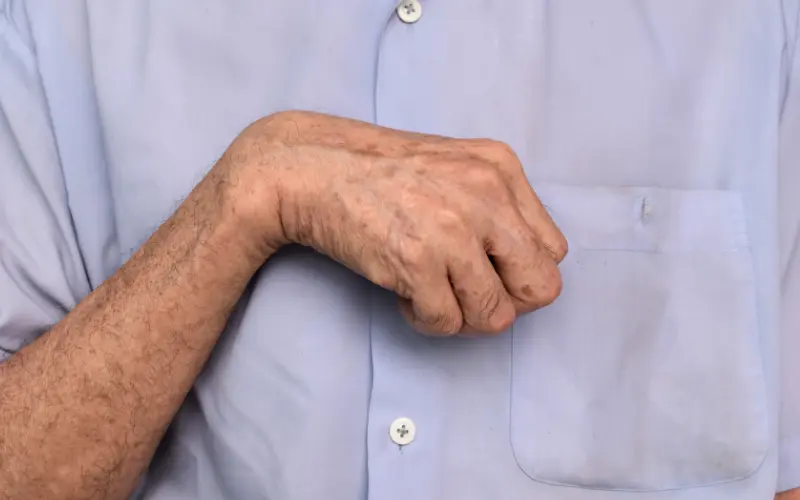
Most people think paralysis means someone suddenly collapses and cannot move at all. That is not always how it starts. In reality, the first signs are often so small that families miss them completely, or worse, they notice but convince themselves it is nothing serious.
A strange heaviness in one arm. A leg that feels a little off while walking. Words that are not coming out right. These things can appear within minutes of someone feeling perfectly fine. And that is exactly what makes them so dangerous.
If something about the body feels suddenly different, especially on one side, do not wait and see. Here is what to watch out for.
1. Sudden Weakness on One Side of the Body
This is usually one of the first things families notice, though they do not always recognise it for what it is.
- One arm becomes hard to lift, even partway
- A leg feels heavier than normal while walking, almost like it is dragging
- Something slips out of their hand that they were holding just fine seconds ago
- One side of the body feels like it stopped taking instructions
It comes on fast and it does not feel like regular tiredness. If this happens, it needs to be checked immediately, not after a nap or in the morning.
2. Numbness or Tingling Without Any Reason
Everyone has felt their foot fall asleep after sitting in a bad position. This is not that.
- One side of the face, arm, or leg goes numb without any obvious cause
- A strange tingling or prickling feeling that just appeared from nowhere
- A limb that feels oddly heavy or disconnected from the rest of the body
- The numbness only seems to be on one side, not both
When numbness shows up suddenly and stays, that is the part that should raise concern.
3. Face Drooping or an Uneven Smile
This one can be easy to miss, especially if no one is looking carefully at the person’s face.
- One side of the face looks like it is hanging lower than the other
- Their smile comes out lopsided, with one side barely moving
- They have trouble shutting one eye properly
- Their face just looks different somehow, even if it is hard to put into words
Ask them to smile. If one side does not move like the other, stop waiting and get help right away.
4. Slurred Speech or Difficulty Speaking
When someone’s speech suddenly changes, it tends to catch people off guard. It can feel confusing to witness.
- Words are coming out garbled or hard to follow
- They are using the wrong words and do not seem to realise it
- They cannot finish what they are trying to say
- They look frustrated or confused while speaking
- They seem to understand you just fine but cannot get a response out
Do not wait for it to get to the point where no one can understand them at all. Even slight, early changes in speech are worth acting on urgently.
5. Sudden Dizziness or Loss of Balance
This one gets written off a lot, especially in older people. But sudden dizziness paired with other symptoms is a different matter entirely.
- They feel unsteady on their feet for no clear reason
- They stumble or lose their footing while walking normally
- They describe the room spinning around them
- Their movements look off, like they cannot quite coordinate themselves
When this kind of dizziness shows up alongside weakness or speech changes, it needs urgent attention.
6. Sudden Vision Problems
People tend to explain this one away. Tired eyes. Too much screen time. Needs new glasses. But sudden vision changes are not something to rationalise.
- Their vision goes blurry out of nowhere
- They are suddenly seeing double
- They lose vision in one eye or both
- The change came on quickly, not gradually over days or weeks
If their vision shifts suddenly and without explanation, that alone warrants a medical check, not rest.
7. Severe Headache That Feels Different From Usual
Everyone gets headaches. But people who have experienced this kind of headache usually describe it as unlike anything they have felt before.
- It hits suddenly and feels intense from the start
- It comes with vomiting, confusion, or a strange foggy feeling
- It shows up alongside a drooping face, weakness, or trouble speaking
- The person themselves says it does not feel like a normal headache
This is not a situation for painkillers and sleep. Get to a hospital.
Do Not Wait for It to Get Worse
When something changes suddenly in the body, the response cannot be “let’s see how it looks tomorrow.”
Even if the symptoms seem mild, or they come and go, or they seem to improve on their own after a few minutes, that is not a reason to relax. Sometimes these signs settle down briefly before something more serious happens. Getting checked early is not overreacting. In these situations, it is the only thing that actually makes sense.
An Easy Way to Recognize Stroke-like Symptoms

Something to consider. Suppose your mother or your husband suddenly became unable to raise one arm or began speaking as though their tongue were numb. What would you do? Would you know what was going on?
Not likely. Most of us would probably freak out, or think that it will be over soon, or wait to see if it gets worse. It’s only natural. However, when it comes to strokes, time is the one luxury we don’t have.
Why catching it early changes everything
When a stroke hits, blood stops reaching part of the brain. And brain cells don’t wait around. They start dying within minutes. The good news is, there are treatments that can genuinely help, but they have a time limit. The sooner someone gets to a hospital, the better the outcome. It really is that simple.
The FAST Test:
This is what we should be taught because it is effective and easy to remember.
- F stands for Face. Instruct the patient to smile. Do you notice any weakness on one side of their face?
- A stands for Arms. Tell them to raise their arms in front of them. Is one of them falling down or numb?
- S stands for Speech. Ask the person to say something simple such as “The sky is blue.” Is their speech slurred or difficult to understand?
- T stands for Time. This is the most important point here. Do not wait to see if everything gets back to normal. Contact the emergency service immediately.
FAST Is Very Useful, But It Doesn’t Account for All Symptoms
FAST is very useful, but there are still some other symptoms that it doesn’t take into account.
Some people might experience sudden problems with vision, dizziness, trouble maintaining their balance, severe headaches, confusion, vomiting, or numbness in one part of the body. These symptoms are also serious and require medical attention.
Therefore, you can use FAST to check for signs of a stroke, but don’t rely only on it. Here’s what you need to remember:
If any symptom occurs suddenly and impacts your ability to move, speak, maintain your balance, see, or control your face, consider it an emergency.
What Can Trigger Sudden Paralysis?

Sudden paralysis does not indicate a disease on its own; rather, it indicates that there may be something wrong with the brain, nervous system, spinal cord, or blood flow.
A few examples of what could be triggering the condition include:
1. Brain Stroke or Reduced Brain Blood Flow
One of the most significant causes of sudden paralysis is a brain stroke. Such an incident can occur when there is no proper flow of blood in some areas of the brain. This condition can be manifested by sudden weakness, numbness, drooping face, difficulty speaking, visual problems, and loss of balance.
2. Brain Bleeding
Another medical emergency that can lead to paralysis is bleeding in the brain or its surroundings. Symptoms of such an occurrence include headache, nausea, disorientation, weakness, and decreased awareness.
3. Neurological Disorders
Sudden paralysis may occur due to various neurological issues, including nerve compression, nerve inflammation, spinal cord injury, and other conditions.
4. Head, Neck, or Spine Injury
A fall, road accident, or injury to the head, neck, or back can lead to sudden weakness or paralysis. In such cases, avoid forceful movement, massage, or pulling the patient, especially if a spine injury is possible.
5. Other Medical Conditions
Very high or low blood sugar, uncontrolled blood pressure, infection, electrolyte imbalance, or other internal health problems can sometimes cause sudden weakness or symptoms that look similar to paralysis.
Why Medical Evaluation Is Important
Many conditions can look similar in the beginning. That is why families should not try to guess the cause at home.
Sudden paralysis needs proper examination, timely diagnosis, and medical care. The earlier the cause is identified, the better the chances of preventing complications.
What Should Be Done at Home Before Getting to the Hospital?

In case of symptoms resembling paralysis, all that can be done at home is to ensure safety measures for the patient. The problem should never be treated at home.
Precautions to Be Taken Before Getting Medical Help
Stay calm, do not panic, and take necessary safety measures:
- Make sure that the patient sits or lies safely.
- Minimize movements, particularly after falling or injuring yourself.
- Remember the exact time when symptoms appeared.
- Do not provide any food or water if there is difficulty in speech, swallowing, or consciousness.
- Do not attempt massage, physical activity, homeopathy, or other treatment methods.
- Prepare all medical records and information about medications.
- Call a physician immediately.
Even if symptoms disappear within several minutes, a check-up with a doctor is required.
Visit Raja Hospital If You Notice Sudden Paralysis-Like Symptoms
Sudden paralysis can feel confusing for families, especially when symptoms are mild or come and go. But in such situations, timely medical evaluation is the safest step.
When to Visit Raja Hospital
Visit Raja Hospital if you or someone around you experiences:
- Sudden weakness in the face, arm, or leg
- Numbness on one side of the body
- Face drooping or uneven smile
- Slurred speech or difficulty speaking
- Sudden dizziness or loss of balance
- Sudden vision problems
- Severe headache with confusion, vomiting, or weakness
- Paralysis-like symptoms that improve and return again
At Raja Hospital, the patient can be examined by medical professionals to understand the possible cause and take the next steps in care.
Reasons Why Nawanshahr Families Should Consider These Symptoms Seriously

In most cases, sudden weakness is associated with tiredness, stress, old age, or fluctuations in blood pressure levels. However, sudden occurrence of symptoms calls for serious attention.
The Importance of Acting Early
It is important to act fast as this can make a huge difference since:
- Sudden paralysis could be a symptom of stroke or another condition.
- Early diagnosis makes it easier to determine the exact cause.
- Late treatment can result in complications.
- Sudden improvement does not mean that there is no threat.
- Proper diagnosis is more effective than making assumptions.
- Being aware can ensure that the patient gets proper treatment.
The best thing to do in such a case is to notice the symptoms early and seek medical attention as soon as possible.
Do not wait for symptoms to become severe. If sudden paralysis-like symptoms appear, visit Raja Hospital in Nawanshahr for timely medical attention.
Frequently Asked Questions:
1. What are the first signs of sudden paralysis?
The first signs may include sudden weakness in the face, arm, or leg, numbness on one side of the body, facial drooping, slurred speech, dizziness, loss of balance, vision problems, or severe headache. These symptoms should not be ignored, even if they appear mild.
2. Can sudden paralysis happen because of stroke?
Yes, sudden paralysis can sometimes be linked to stroke. A stroke may affect blood flow to the brain, which can lead to sudden weakness, numbness, speech difficulty, facial changes, or balance problems. However, only a doctor can confirm the exact cause after proper evaluation.
3. What should I do first if someone suddenly becomes weak on one side?
Help the person sit or lie down safely, note the exact time symptoms started, and arrange medical help immediately. Do not give food, water, random medicines, massage, or home remedies without medical advice.
4. Should I wait if symptoms disappear after a few minutes?
No. Symptoms that appear and disappear can still be serious. Temporary improvement does not always mean the problem is over. The patient should still be checked by a doctor.
Struggling with same?
Book Your Appointment With Our Expert Doctors

Conclusion
In cases of sudden paralysis, it is imperative that one does not waste any time since delay might result in complicated scenarios. Sudden paralysis may present itself in the form of weakness, numbness, droopy face, slurred speech, dizziness, or imbalance. However, one should never assume what the reason is and allow the symptoms to get worsened.
In the event of sudden paralysis, take appropriate action immediately. Ensure the safety of the affected person, record the time of onset of symptoms, do not offer food, drinks, massage, or medication randomly, and report the case immediately. In the event that symptoms improve in minutes, it is essential to receive medical attention. Awareness and prompt action among the people of Nawanshahr may go a long way in making an impact.